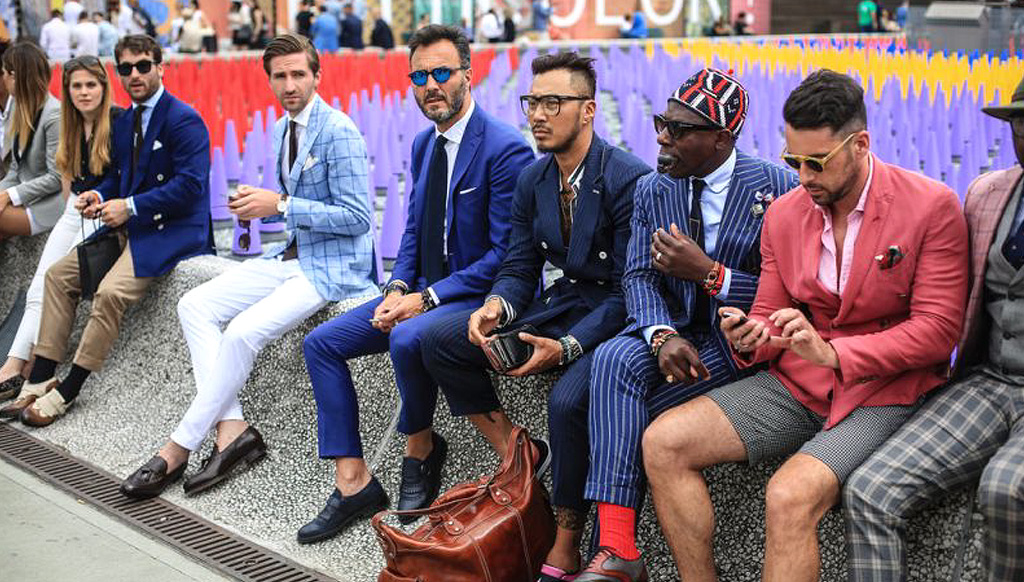
When Raf Simons left Dior last October, the world was on its edge, curious to know what’s next for the Belgian designer and whether he would be taking on another creative director stint at another fashion house (some say Calvin Klein is a huge possibility). At the moment, the designer seems more interested to establish his namesake menswear label, which he launched over a decade ago in 2005. True enough, the designer will be presenting his Spring 2017 collection at Pitti Uomo, an international menswear tradeshow set to take place from June 14 to 17 in Florence, Italy. “Florence has a special place in my heart,” said Simons, who had only ever considered returning to Pitti Uomo to present his work, or other collaborative projects to reflect his personal vision. One example is his 2003 “The Fourth Sex” exhibition at the tradeshow – a curation with Francesco Bonami. “Simons has been protagonist of some of the greatest events realized [at] Pitti Immagine Uomo,” said Lapo Cianchi, Pitti Immagine communication and events director. “We like to think that he sees Florence as the ideal set to explore his professional and personal path, to find energy and inspiration for his future projects.”
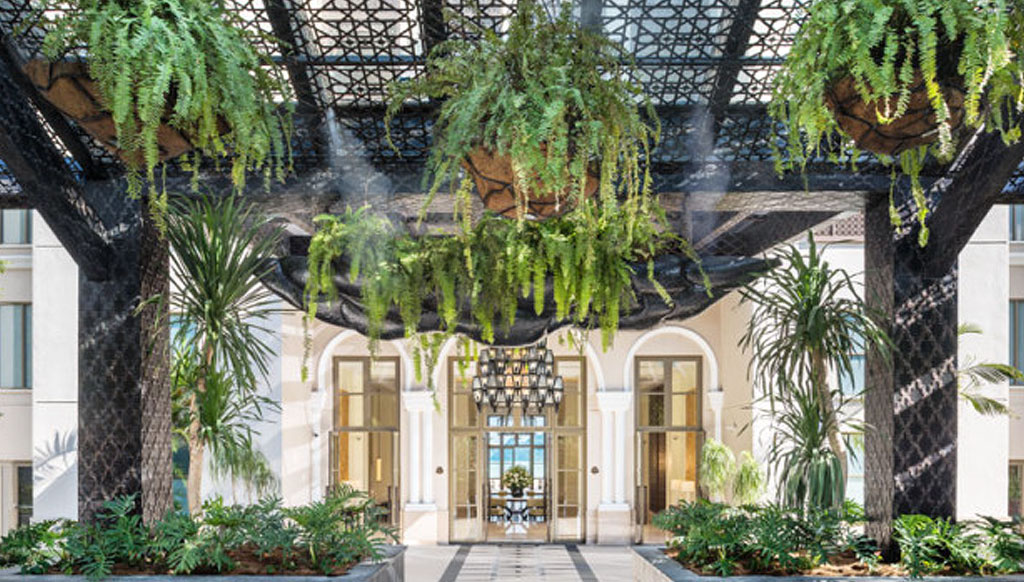
 

St Regis Hotels and Resorts has announced the arrival of the iconic brand in Langkawi. Following the recent opening of the St Regis Dubai the brand is positioned to continue its growth in 2016 with openings in Kuala Lumpur, Malaysia; the Maldives; Changsha, China and Cairo, Egypt. Located in the covered Langkawi archipelago the resort Andaman Sea and is conveniently placed within a 30-minute drive from Langkawi International Airport. With interiors designed by G.A Design and architecture by the renowned architecture firm Gensler, the hotel channels a classical contemporary aesthetic. A vision of elegant island living, the resort’s mansion house infuses European and Middle Eastern influences, with a subtle colour palette of soft blues and beiges, playing up the stunning views of the surrounding landscape. Islamic arches, mashrabiya-inspired screening, and large private courtyards embrace the design’s axial symmetry, giving way to a garden oasis populated with date palms, allamanda and bougainvillea. The St. Regis Langkawi is the first all-suite luxury resort in the archipelago, offering four private overwater villas and 85 luxury suites. Each suite is distinct in design with bold accent hues and imaginative paintings by esteemed local artists. All suites offer expansive, unobstructed views of the sea from spacious terraces.

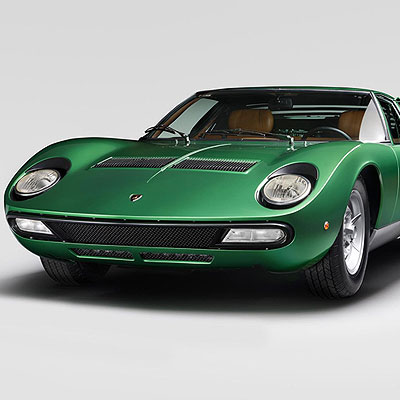
The Lamborghini Museum in Sant’ Agata Bolognese will be hosting a special exhibition by artist, Alfonso Borghi, made up of works inspired by the Lamborghini Miura. Titled “Velocità e Colore” or “Speed and Color”, the exhibition will be open to the public from April 28. Standing at only 105cm tall, and with a top speed of 280km/h the Miura is not only considered the fastest car in the world but also an artistic masterpiece in the supercar world. Featuring ten works on 200cm by 150cm and 180cm by 18 cm canvases, the exhibition will take a look at the design language of the car manufacturer over the ages. The pieces explore topics such as Lamborghini’s unconscious revision of dynamic shapes and strong interplays of colour and three-dimensional effects. The exhibition will run until June 30 and is one of many special high-profile events to mark half a century since the Miura was first created. Just last month, the company unveiled the original, restored SV specification Miura at the annual Amelia Island Concours d’Elegance. Other events to commemorate the anniversary, include celebrations in June which will see current Miura owners drive their cars from Bologna to Florence via Parma, as a huge travelling party.

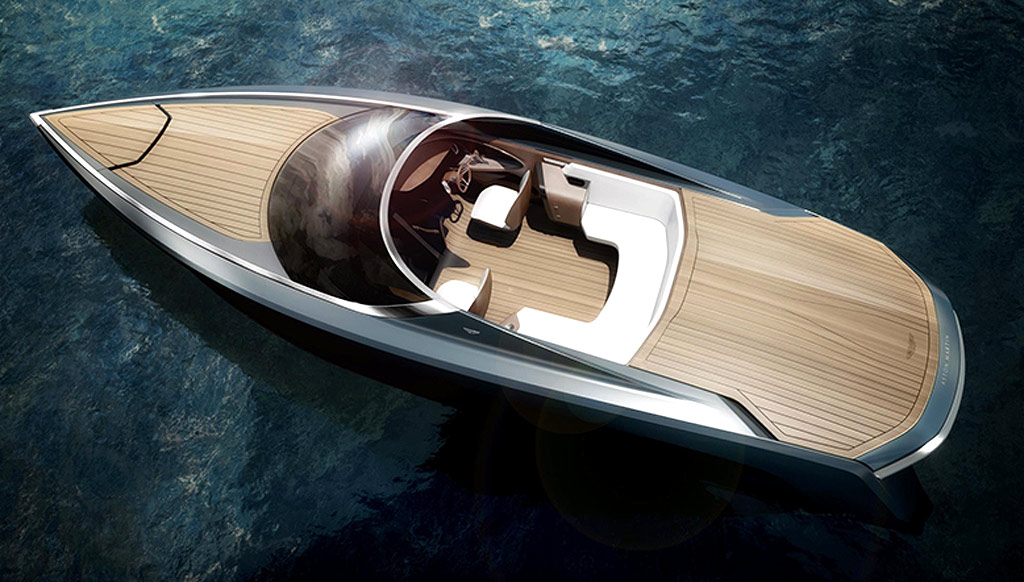
The Salone del Mobile at the Milan Design Week welcomed Aston Martin as the brand unveiled the AM37. No, it was not a new luxury GT. Instead, the British luxury car manufacturer has decided to take a dive and turn its attention to boats. The AM37 isn’t just any boat, it is a powerboat that showcases the best of Aston Martin’s design and approach to aesthetics and comfort. The powerboat has been in the making for over five years, as part of Aston Martin’s collaboration with Quintessence Yachts. More than just a pretty face, the boat will not be used to generate publicity. One lucky bidder will be able to purchase the AM37 later this year once it goes on sale. “It is true that a beautiful, simple shape is critical to a product’s success but it must also have drama, which is provided by surface language, proportions, and through the choice of exciting materials,” said Aston Martin Chief Creative Officer, Marek Reichman. “The new powerboat represents the ideal combination of luxurious and technical materials, generating a powerful yet understated finished product.”

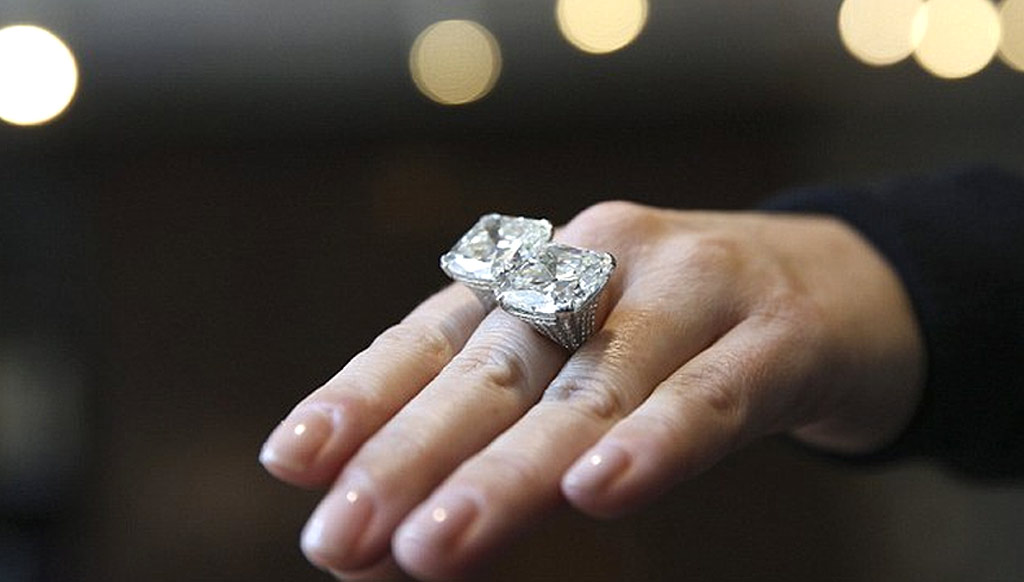
Two glistening 20-carat diamonds coil around the finger, its bands crossing over each other by the ends, hence its moniker “the crossover”. Worth approximately $2.3 million, this piece is the largest of its kind and the work of London family jeweler Hancocks. Designed by gemologist Amy Burton as part of her Unum range, the ultimate statement ring is so valuable that it has been reportedly given its own security guard at the Mayfair-based Hancocks. “I’ve been working in partnership with our expert craftsmen for over a year to create the ultimate statement ring which really is breathtaking,” said Burton. “One thing is for sure, walking into a room with this truly magnificent and one-of-a-kind 40+ carat diamond ring on will definitely turn heads by whoever is lucky enough to wear it.” According to Stephen Burton, managing director of Hancocks, the ring was made from a perfect match of diamonds, since they were cut from the same piece of rough diamond, adding to their exceptionally rare appeal. “In my 40 plus years of working in the jewelry business I have never seen a pair that is as large and well matched as these, having originated from the same rough diamond source which is incredibly rare,” he said. “They are perfect in terms of their cut and sit alongside each other beautifully.”

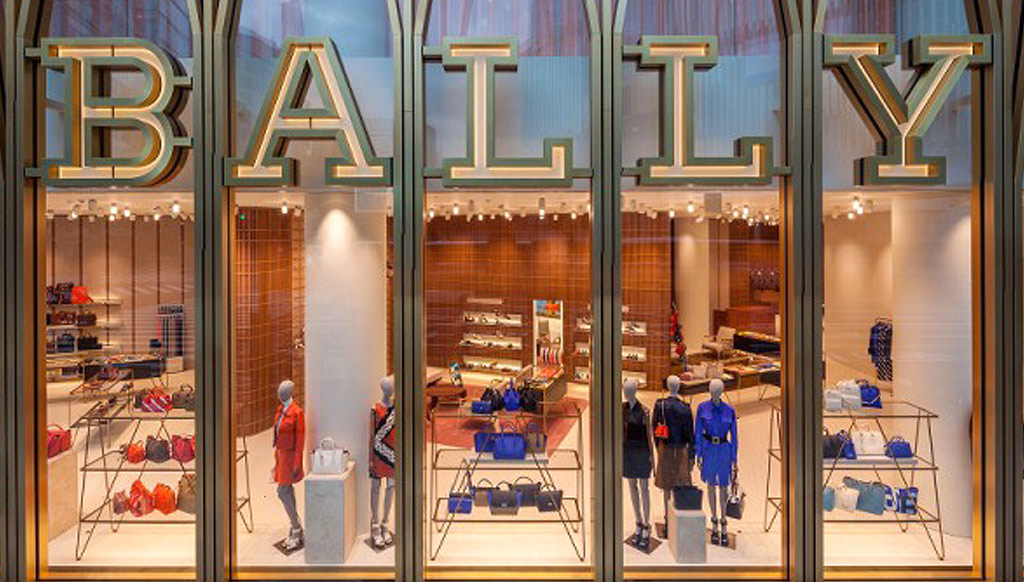
Swiss luxury brand Bally has opened a flagship store in the upmarket shopping district of Ginza. This marks a new chapter for the brand in Japan, and, to celebrate this, they’ll be unveiling an exhibition of pieces (titled Bally Untold) from their archives running till May 8, taking viewers through 100 years of its history. The Tokyu Plaza building stands at what is considered the ‘gate’ of Ginza, and the Bally store is located right there. Collaborating with David Chipperfield Architects, the flagship store stands out with a 50 meter brass aluminum façade running the width. The 845 square meters of space is set over two floors, with the ground floor dedicated to accessories and ready-to-wear collections, as well as the special Gentleman’s Corner. The second floor houses the VIP room and a space dedicated to events, which is also the space for the Bally Untold exhibition. Timber walling combined with a continuous white ceiling, spotted with light-tubes, creates and elegant modern atmosphere. The Gentleman’s Corner is dedicated solely to Bally’s expertise in shoemaking and shoe care. With its Made to Order and Made to Color services, customers will be able to create personalized shoes and belts with multiple color and material combinations. The VIP room is a private room for a more intimate and exclusive shopping experience, with its own private fitting room and service area. Exclusive for the Ginza opening, Bally will also reissue four shoe styles based on archive pieced dated to the 1930s. The limited edition shoes in D’Orsay style with a Louis XV heel come in red and blue silks punctuated with gold and silver leather. After this Japan venture, the next flagship Bally aims to set up will be in Beijing, later in the year.

Ormana, the first luxury skincare line from Morocco, has combined the best indigenous ingredients, century-old traditions and modern science to create a healthy and effective line that might just replace everything else on your shelves. Ormana relies on the 1,000-year-old beauty traditions and practices of Moroccan women, focusing on ingredients like organic argan and prickly pear oils that have been used for generations to create a line without chemical preservatives, silicones, parabens, coloring agents or synthetic fragrances. To be sure that these ingredients are also economically sourced, the brand organically grows, hand-harvests and bottles their own botanicals. Their skincare collection includes day and night creams, eye lifting serum, an anti-aging face mask, dry oil and even a natural eyelash treatment, all of which are formulated with oils native to the region. To create their argan oil, one of the cornerstone pieces in their line, they pick the fruit, press the seeds and bottle it the same day to maintain the purity. The oil itself is 80 percent fatty acid made up of omega-3, omega-6 and omega-9, which are used to firm and tone the skin while reducing inflammation and acne. To extract prickly pear oil, it takes several days and up to 60 pounds of seeds just to produce 34 ounces. But this rare oil is a powerhouse containing antioxidants, vitamin B and C, magnesium, beta-carotene, potassium, calcium, and essential fatty acids which help to soften the skin, reduce the appearance of pores and lighten dark spots. Available online and priced from $45-$895.

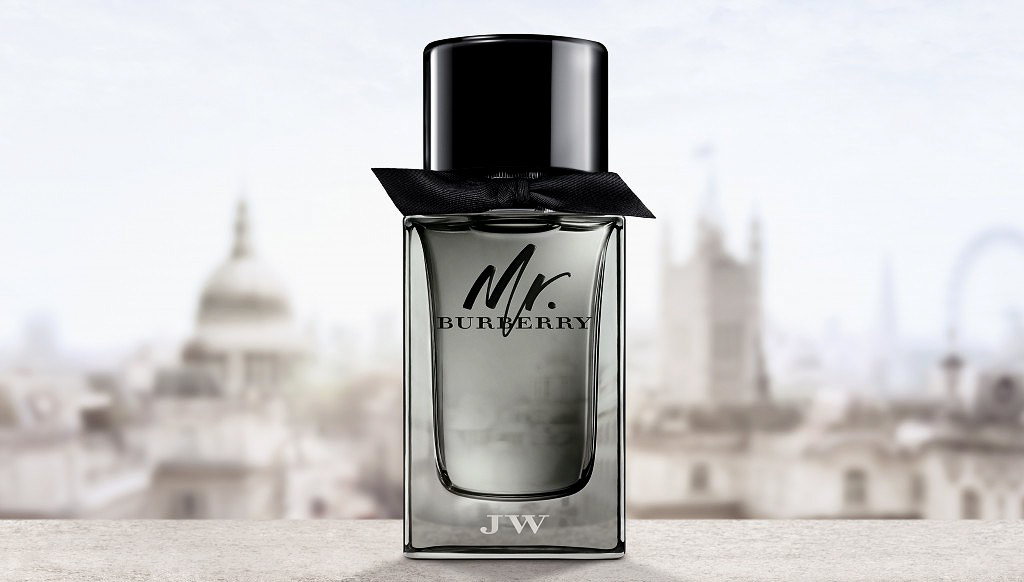
Earlier this week, Burberry launched a new fragrance for men, which is based on the UK fashion label’s famous Heritage Trench Coat. Called, in good straightforward fashion, “Mr. Burberry,” the scent was created by the house’s CEO Christopher Bailey and perfumer Francis Kurkdjian. It aims to capture the “essence of London.” The herbal, woody eau de toilette fuses opening notes of zesty grapefruit with an earthy vetiver and smoky guaiac wood base. The scent’s bottle also references the trench coat, featuring a hand-tied knot in English-woven black gabardine that sits around the neck. The container can be monogrammed with up to three initials. A grooming line comprising an aftershave splash, face moisturizer and beard oil will also accompany the launch of the fragrance.

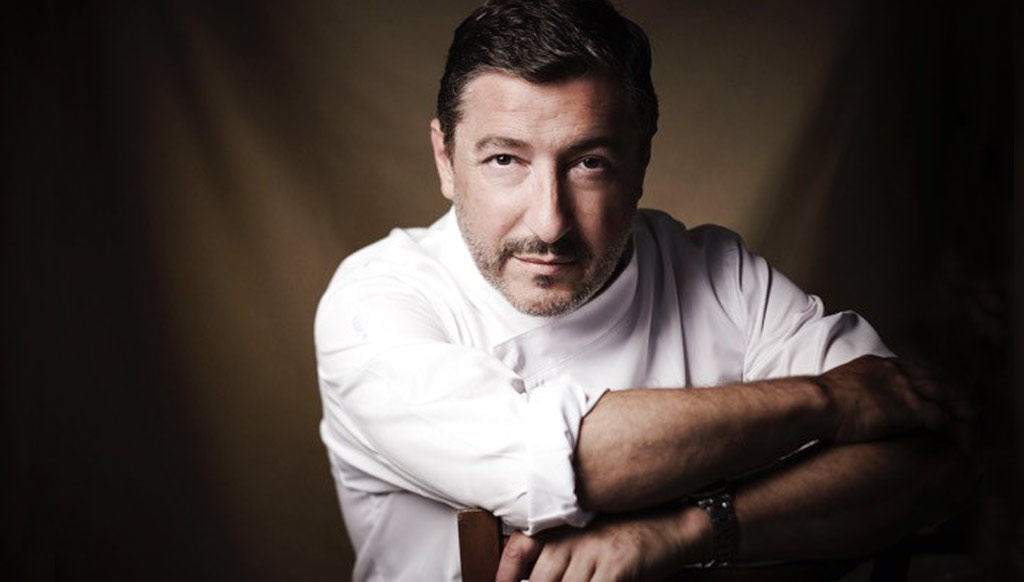
The Nobel Prize neglects the art and science of cooking and one group of top chefs want to remedy that omission. Already, this latest international chef award has been dubbed the Nobel Prize of cooking and it is now accepting nominations for the world’s most important chef. The award was launched earlier this year out of the Basque Culinary Center, by a group of some of the world’s top chefs including Gaston Aucrio and Joan Roca (whose restaurant El Celler de Can Roca is the current title-holder for world’s best restaurant) The Basque Culinary World Prize was created to honor industry leaders who use gastronomy as a powerful force for change. The organization itself calls it a search for chefs who improve society through gastronomy. What does that mean, one might ask. More than being a talented chef, the winner will have improved society through cooking be it through the invention of a culinary innovation; a commitment to social responsibility; sustainability; health or environmental campaigns; cultural projects or work that has a positive impact on the food industry. No doubt, some will look askance at such a project, chalking it up to hubris and the impulse towards self-gratification. For example, any winner is likely to see the fortunes of his restaurant and possible related businesses rise as a result. Jurors include some of gastronomy’s biggest heavy-hitters, including Heston Blumenthal, Dan Barber, Ferran Adrià, René Redzepi, Michel Bras, Roca, Bottura and  Acurio — all Michelin-starred chefs. A list of 20 finalists — chosen by the jury — will be released in May and the winner announced July 11. Nominations close April 30. To be considered for the prize, chefs have to be nominated online by a professional from the world of gastronomy. The winner will receive €100,000 to devote to an institution or project of their choice that demonstrates the wider role of gastronomy in society.

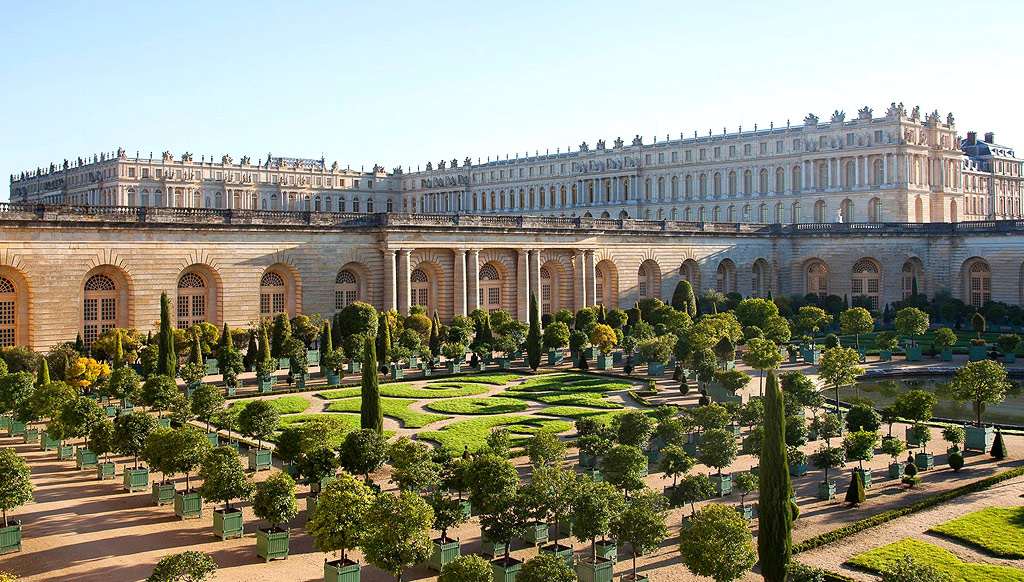
Marie Antoinette is the poster child for lavish living, and come 2018, you’ll have the opportunity to indulge in extravagances just as she would. Antoinette’s former home will soon become a luxury hotel. The Lov Hotel Collection will transform three buildings within the Château de Versailles: the Grand Contrôle, the Petit Contrôle and the Pavillon. The buildings have been unoccupied since 2008, and in the 17th century served as the king’s Ministry of Finance and a military mess hall for soldiers. Expected to house 20 guestrooms, the property is estimated to cost around €4 million to €7 million euros plus an additional €4 million for just the interiors. The hotel will also feature a restaurant serving haute French cuisine and helmed by none other than Michelin-starred chef Alain Ducasse. Although many are excited about the chance to sleep in the palace, architectural preservationists are concerned about making changes to the historical landmark. The buildings were designed by Jules Hardouin-Mansart, an architect whose work is considered to be the apex of French Baroque architecture. According to Vogue, “a spokesperson for the Château confirmed that the three buildings were already overdue for repairs,” signifying that renovations were most likely imminent.