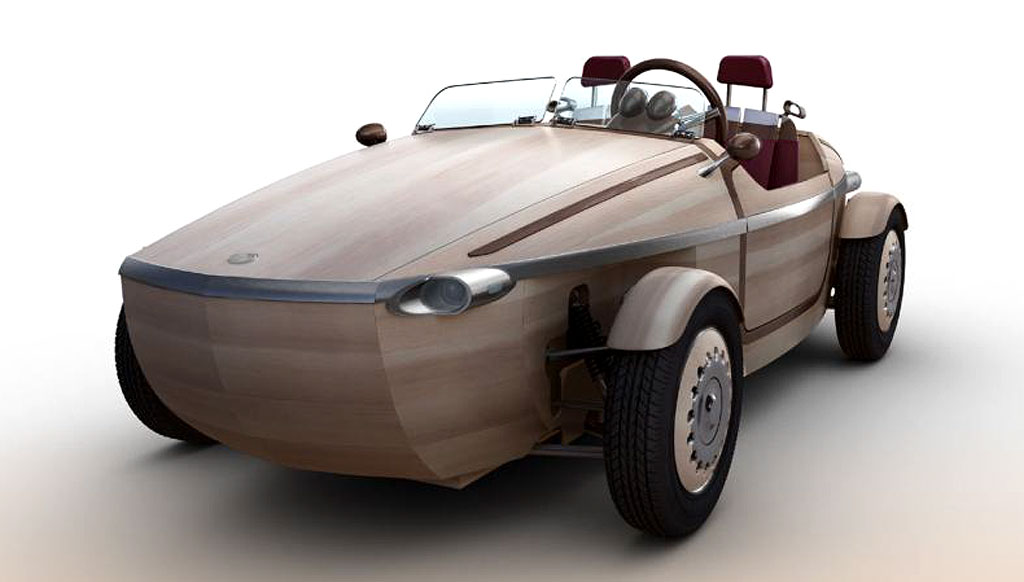
With most car brands racing to bring the future to the present; Toyota seems to be racing backwards to bring the past into the present with this wooden concept car—the Toyota Setsuna. The inspiration behind creating the vehicle is the Ise Grand Shrine in Japan that is torn down every 20 years. Every two decades, the Japanese build a new shrine using wood and no nail. The ritual is being followed for more than 1,300 years now, and it is a way to promote cultural continuity. Hence, instead of joining the rat race to create a self-driven futuristic vehicle, Toyota has made a car using wood, as the material symbolises aging. The brand has used an unusual Japanese technique that requires no screw or nails to put the parts of the wooden car together. Setsuna in Japanese means a ‘moment‘ that aims to symbolise the special time one spends with the vehicle. The car will be showcased at the Milan Design Week to be held in April this year.
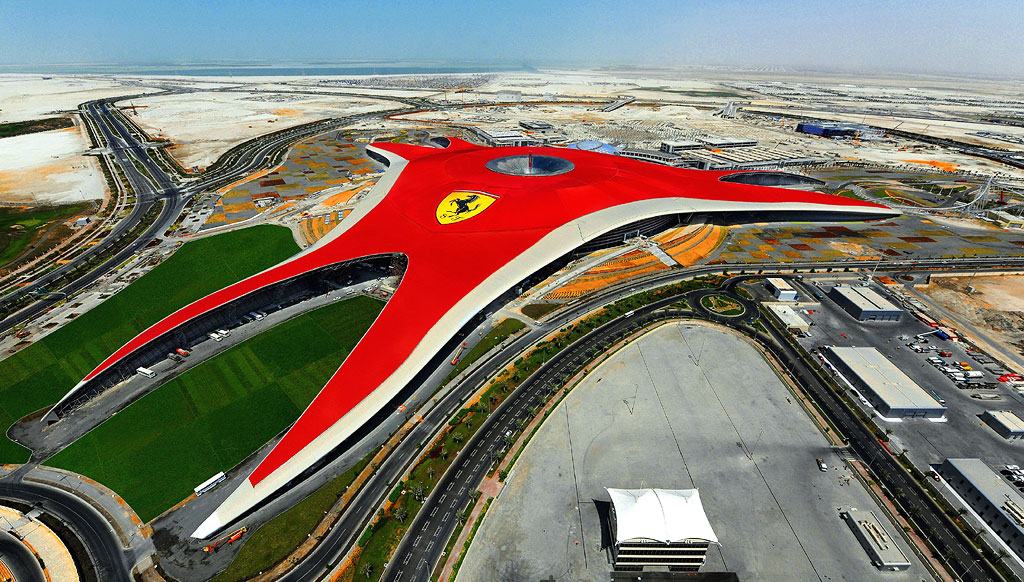
Ferrari announced last week it had signed a memorandum of understanding with two Chinese companies to build a theme park in China. Ferrari has such a park in the Middle East and is building one in Europe too. The non-binding deal with Beijing Automotive and Biac Eternaland Property will, if implemented, see the two Chinese companies licensed to establish the park in a still-to-be-decided Chinese city. The luxury sportscar maker and Formula One powerhouse already has a theme park on an island near Abu Dhabi and is in the process of constructing another one in Spain. The parks are one of the ways in which the company is hoping to leverage its luxury brand to generate additional revenues. The company’s sales in China, which represent about five per cent of its total worldwide, fell 22 per cent in 2015.
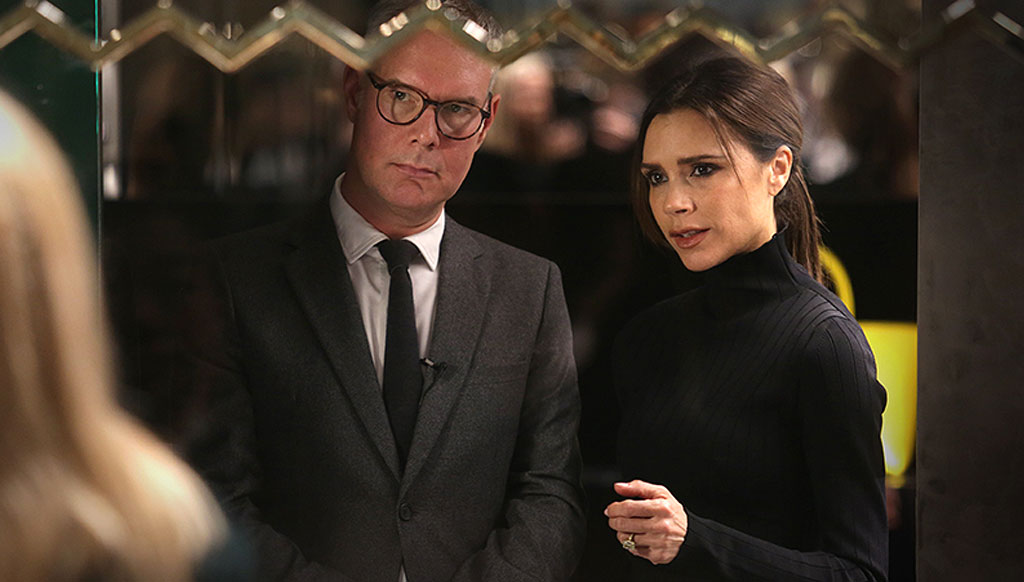
Hong Kong is now the second location of Victoria Beckham’s brick and mortar store outside of her native home. Amidst the luxury brands, swanky five-star hotels, the store in the heart of the Central district is seen as a way for the designer to tap on the Asian market. As fans waited eagerly outside Friday morning, Beckham was seen doing the final checks on the store in the Landmark building. Designed by London-based architect, Farshid Moussavi, the store is a collaboration with Asian fashion retail brand Joyce that already carries her collections. On why she chose Hong Kong as the follow up to her first shop in London’s Mayfair district, the designer said, “I know Asian women really understand luxury, good quality and appreciate when garments are made well — and my clothes are”. While some are doubtful over the success and future of her store in Hong Kong due to the worst retail sales decline the city has seen in 13 years, others are more optimistic. “I think she’s going to be very popular here,” said hedge fund manager Sally Zhang, 30, after browsing in the store Friday. “Compared to other shops, which are too fancy, not fit for the office, this one is quite different,” said Echo Xu, also a hedge fund manager. Along with opening her store, Beckham will also be attending the amfAR AIDS research fundraiser in the city along with Uma Thurman on Saturday.
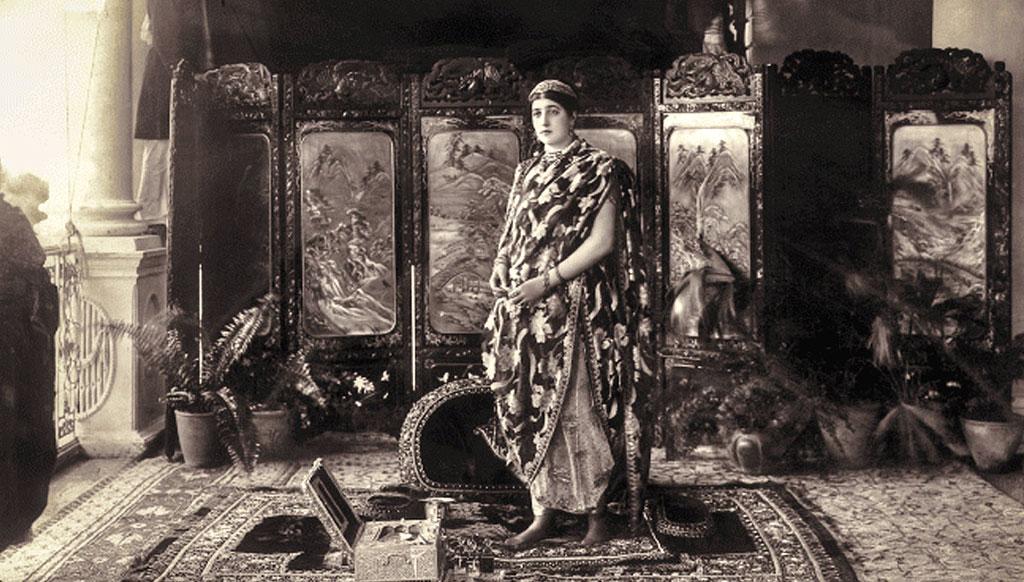
The lives of Maharajas and Nawabs of India have been chronicled several times over. But how much do we hear of the lives of royal women? An ongoing exhibiton at Tasveer—premier pan-India gallery dedicated exclusively to photography—attempts to present a counterpoint to the usual narrative, capturing India’s royalty through a different lens. ‘Maharanis: Women of Royal India’, being showcased in Bangalore from Feb 19 to Mar 21, attempts to provide a glimpse into the lives of India’s distinguished female royalty – the countless high-born figures instrumental in keeping India’s rich regal tradition alive. The photographs not only celebrate the resplendent beauties of princely India, but also point us towards the ways in which these women circumvented and reinvented the traditional, or embraced and reinvented the modern. Understanding the socio-historical significance of these photographs, the exhibition approaches these women — alluring figures sporting chiffon sarees and exquisite jewellery, featured in Vogue lists and touted as fashion icons — as voices from the past that history has seldom paid attention to. There’s also an accompanying publication—a coffee table book on the Maharanis, which includes additional material sourced from research stages, as well as over a hundred photographs of India’s royal women. Visitors can choose to bring home the book, or a boxed set of 20 photographs (archival prints) from the exhibition, which we’re sure would be a Collector’s Delight. Here’s your chance to get up close and personal with royalty.
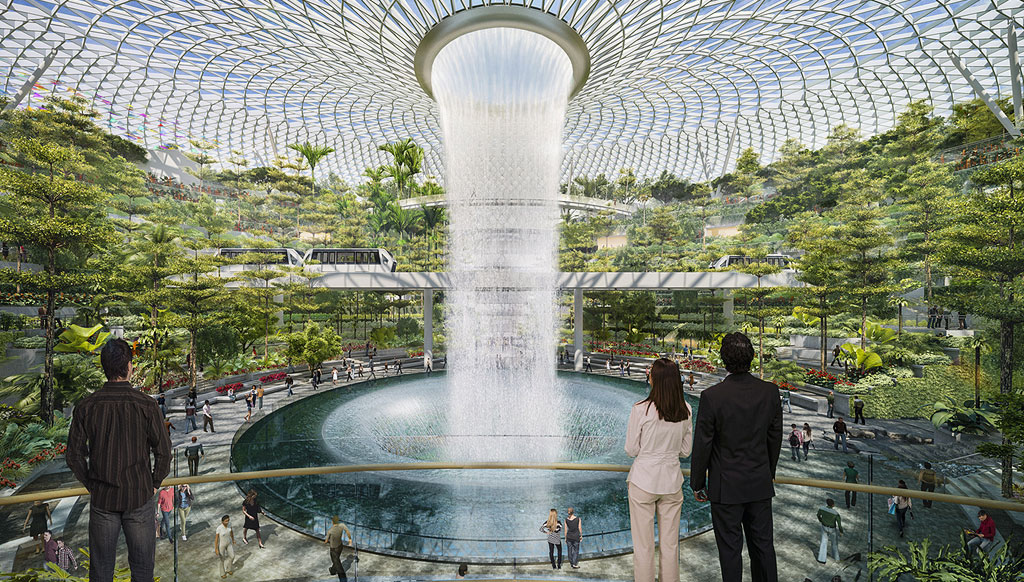
For four years running, Singapore’s Changi Airport has been crowned the best airport in the world by the World Airport Awards. Beating three of Japan’s international airports, the crown jewel of Singapore’s tourism industry and the first point of contact between tourists and the island puts in a lot of effort to ensure that it retains the title. With features such as rooftop gardens, movie theatres, free foot massages, and even free sightseeing tours into the city for those flying in, the airport has certainly raised the bar in terms of passenger experiences. It does sound more like a haven for passengers or a holiday in itself than a stressful place of transit, and the staff behind Changi Airport are far from done by the looks of it. Come 2018, the Jewel Changi Airport will join the facilities. The bio dome complex will be home to an indoor forest, walking trails and gardens as well as a 40-meter tall Rain Vortex that will be the world’s tallest indoor waterfall upon its completion. The best airports ranking was determined from the results of 13 million surveys by passengers of 112 nationalities. Their satisfaction levels were rated from check-in to departure, across 39 indicators and involved 550 airports. The list of the World’s Top 10 Airports for 2016 includes Incheon International at second place, Munich at third, Tokyo at fourth and Hong Kong international at fifth spot. The remaining five spots went to Chubu Centair Nagoya, Zurich Airport, London Heathrow, Kansai International and Hamad International respectively.
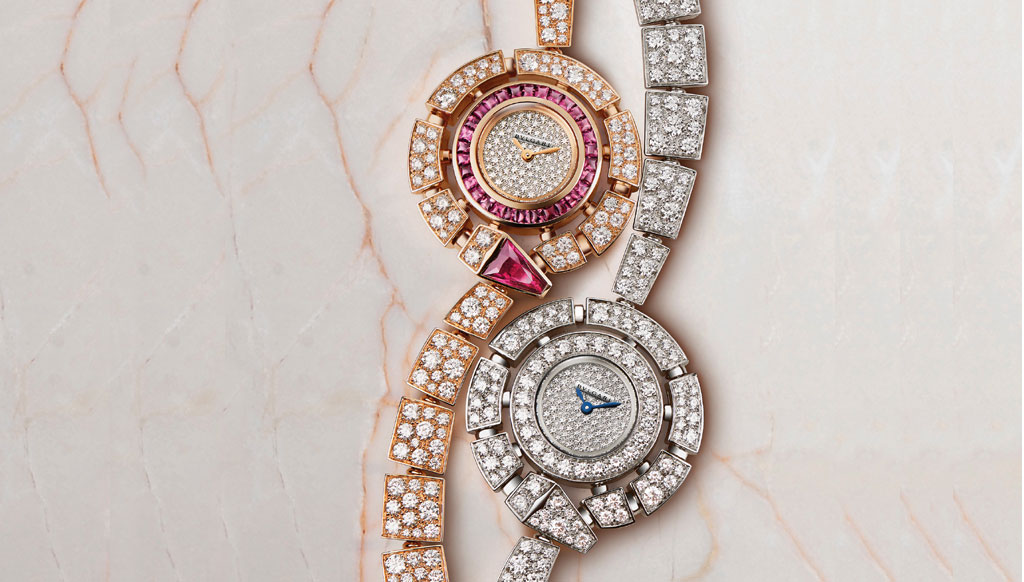
Bulgari’s latest offering, Serpenti Incantati, packs in a tantalising amount of sparkle oozing oodles of oomph. Unlike the brand’s previous serpentine-inspired pieces, this interpretation imagines a snake wrapping around the wrist of the wearer to fully encircle the watch dial in a timeless but contemporary silhouette. Coming in two versions, a white and pink gold, the piece has been lined with stones along the strap, bezel and body. The 18-karat pink gold edition comes set with 79 diamonds, weighing a total of 1.38 carats, and 31 rubellites totaling 2.08 carats with a larger center stone representing the snake’s head. On the 18-karat white gold piece, the entire watch is studded with 251 diamonds weighing a total of 8.67 carats. The watch face on both timepieces has also been inlayed with 116 pin-point diamonds weighing only 0.26 carats. The latest edition of Bulgari’s serpentine collection has also been updated and redesigned to look softer and more delicate on the wrist. Coming in a 30 mm case, the snake coils around the dial getting thinner and wider along the bracelet as if it were alive. Now that’s what we call a sinfully tempting serpent!
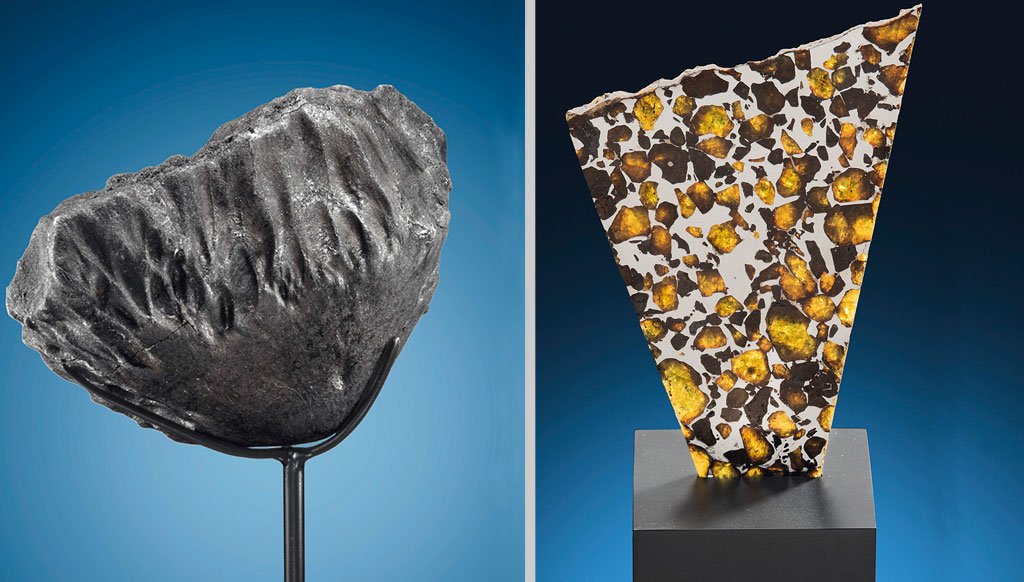
Christie’s is holding a literally extra-terrestrial auction: of meteorites fallen from space. This would be the first all-meteorite salesroom auction at Christie’s, and James Hyslop, science specialist at Christie’s London, says that it is a response to bidders in past online sales that asked to view meteorites in person. The total presale estimate for the April 20 auction at the London, South Kensington branch, ranges from $3 million to $4.8 million. The 82 lots include a meteorite that spectacularly fell through the sky above Chelyabinsk, Russia, in 2013 while dozens of eyewitness and dash cam videos watched in unison. This example is considered among the finest and largest oriented specimens from the Chelyabinsk incident. Instead of tumbling end over end, it held its position as it plummeted toward the ground, allowing the atmosphere to sculpt it into a shape that makes it look as if it is still falling. The accident could propel the bidding as high as $450,000. The auction also features a selection of lunar meteorites—meteorites that came from the moon (presale estimates range from $6,800 to $240,000)—as well as the main mass of the Zagami meteorite, which fell to earth from Mars ($380,000 to $680,000). Hyslop, who has been with Christie’s since 2007, says “demand for meteorites has been rocketing, no pun intended,” and he has a clue as to why. “When you have in the palm of your hand something that’s literally from another world, something quite profound happens. It’s a poignant reminder of our place in the universe.” We couldn’t agree more.
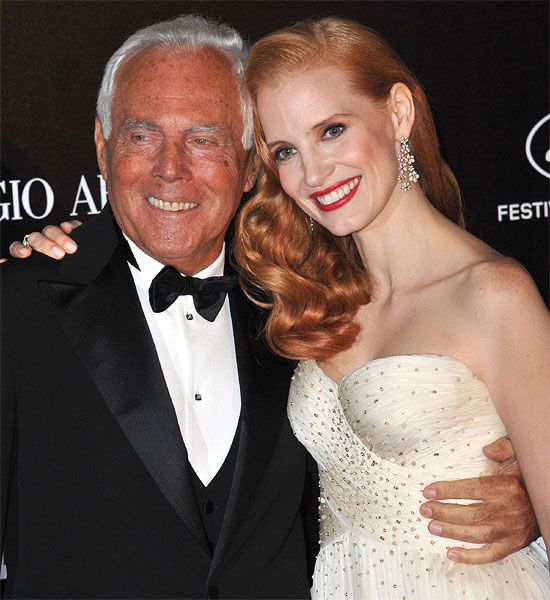
EMPIRE SMILES BACK | From Giorgio Armani to Miuccia Prada and Michael Kors, the flag-bearers of fashion have amassed a sizeable empire
Fashion is a multi-trillion-dollar-a-year industry, and everyday new designers are attempting to make it big in a notoriously cutthroat industry that churns out trillions of dollar and gazillions of dreams, and very few succeed. The ones that do either grow their name into a respectable sized label or build their names into billion-dollar empires of apparel, fragrances and accessories. Some of the most successful designers globally have made personal fortunes of hundreds of million, if not billions of dollars with their signature designs and branding. Here are eight of the top-most designers that notch up almost $20 billion between them.
ARMANI | The Fashion Czar is the sole proprietor of his global empire
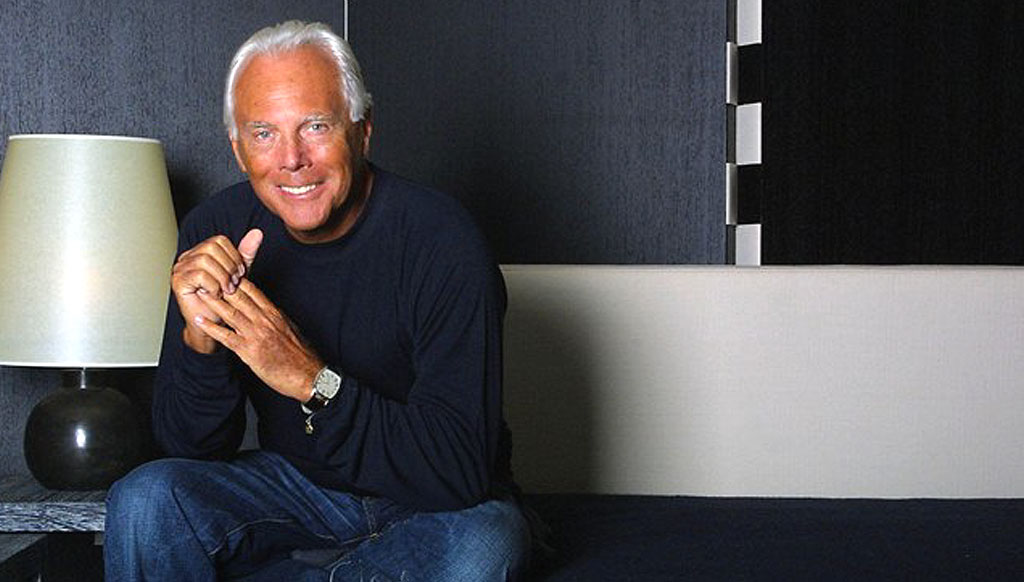
Giorgio Armani—$6.1 Billion
Giorgio Armani tops the list for wealthiest designer in the world. The 81-year-old Italian designer is a self-made billionaire, starting his eponymous line in the mid ‘70s with his partner Sergio Galeotti. His big break came in 1980 when he was asked to design the suits for Hollywood blockbuster American Gigolo. Since then he’s designed suits for a number of movies including The Untouchables and The Dark Knight. Over the last 40 years he’s taken the brand from a small men’s ready-to-wear label to an international juggernaut. Today the Armani umbrella includes accessories, beauty and fragrances, haute couture, ready-to-wear, home goods, restaurants, real estate and hotels. And forget about holding a major stake in his brand, Armani is the sole proprietor of his global empire.
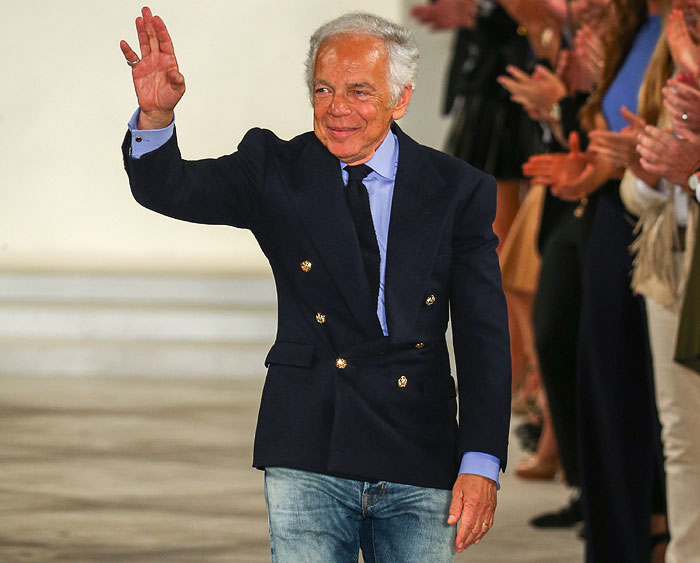
RALPH LAUREN | His 50 year old brand is worth $12 billion
Ralph Lauren—$5.8 Billion
American designer Ralph Lauren made news when he stepped down as CEO of his company later last year, but with a net worth of $5.8 billion he still controls 81 percent of his company’s voting rights. Starting as a tie designer in the garment industry, he’s built his name into a multi-billion dollar empire complete with apparel, home goods, fragrances and a series of restaurants. He may have stepped down from his position, but he remains the Executive Officer and CCO of the company. Today his 50-year-old brand is worth $12 billion.
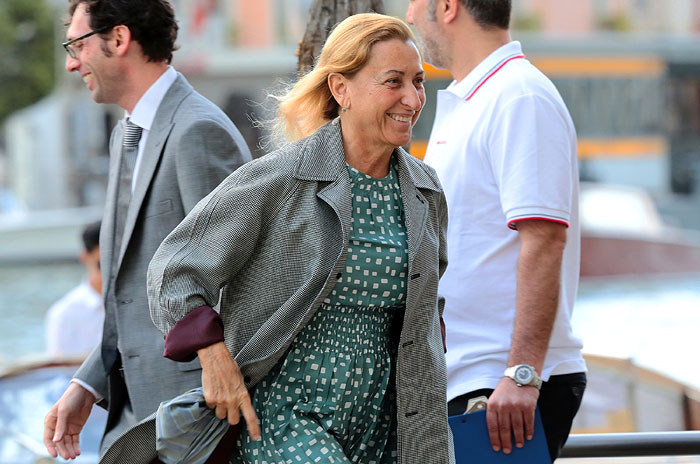
PRADA | It isn’t just the devil that wears Prada–the label is worth an estimated $15.3 billion
Miuccia Prada—$2.8 Billion
Almost every fashionable woman has something from Prada in her closet. It’s this dedication to the Italian brand that has kept Miuccia Prada on the billionaires list for so many years. While her net worth has done some serious yo-yoing over the years—she’s gone from $1.1 billion to $12.4 billion down to $4.1 billion—she’s holding strong to her brand, and her cash. She and her sisters inherited the family business established by their grandfather, and since then she’s worked on growing the company into an empire. She opened the first store in NYC in 1986 and has since launched a sister brand Miu Miu. Today the Prada label is worth an estimated $15.3 billion and she retains a 35 percent stake in the brand.
DOLCE & GABBANA | Both are tied on this year’s Forbes Billionaire List
Domenico Dolce & Stefano Gabbana—$1.3 Billion
The Dolce & Gabbana duo share everything—including company profits. Both are worth an estimated $1.3 million each and are tied on this year’s Forbes Billionaire List. After meeting in the early ‘80s and working at Giorgio Correggiari together, they began designing in their spare time and launched their line in 1985, making their debut at Milan Fashion Week only a year later. They were an instant success, but it took Madonna hiring them as costume designers for her Girlie tour to really spark international interest. Despite some financial trouble due to tax evasion and fraud charges brought on them a few years ago, today their brand is worth an estimated $5.3 billion.
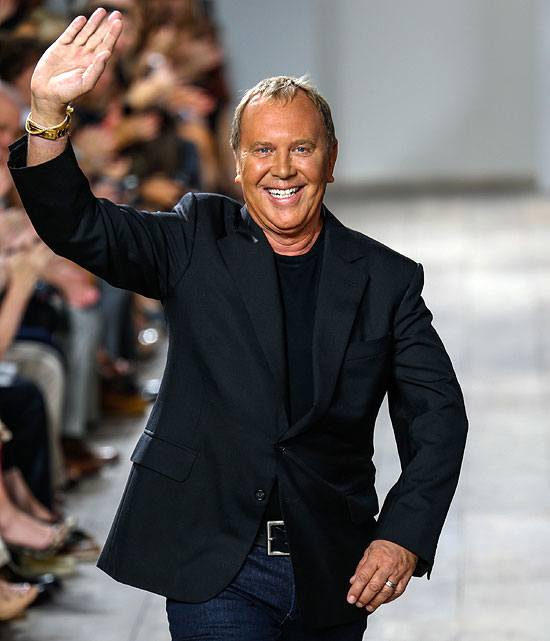
MICHAEL KORS | He became a household name due to his time on Project Runway
Michael Kors—$915 Million
In 2014, Michael Kors officially hit a net worth of $1 billion, but by the next year he was back down into the hundreds of millions—still not a bad place to be. He’s currently estimated to be worth roughly $915 million and he has put in a great deal of work to get to where he is today. After dropping out of FIT, he started his own line in 1981 and peddled his wares from store to store until he found a buyer: Bergdorf Goodman. He had great success into the ‘90s until the brand had to file for bankruptcy in 1993. He was forced to reorganize the brand and reopened in 1997, and it has been smooth sailing ever since. He became a household name due to his time on Project Runway, skyrocketing his brand (and personal worth) into the stratosphere.
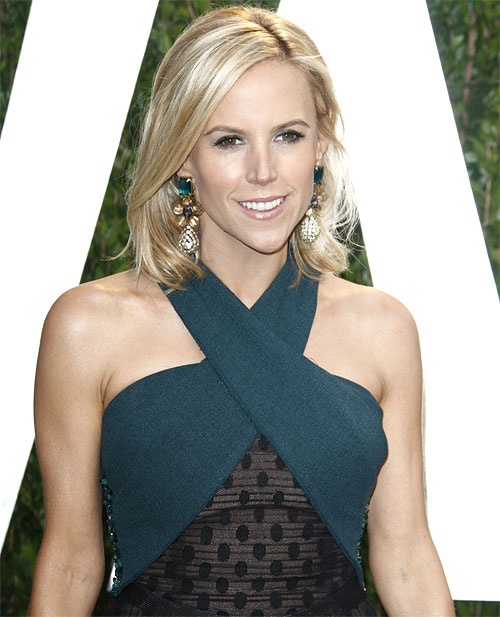
TORY BURCH | Down from the Forbes Billionaire list, she’s still one of the most affluent women in fashion
Tory Burch—$800 Million
Two years ago Tory Burch was sitting pretty on the Forbes Billionaire’s List, but she’s taken a small hit, like most designers, due to a shrinking demand from the Asian markets. But she’s still one of the most affluent designers, not to mention women, in fashion. Estimated to currently be worth around $800 million, she’s set up an empire of apparel, accessories and beauty with locations all over the globe. She got her start in PR, a career she left to start her own line with her then-husband Chris Burch. Her company is now worth an estimated $3 billion—not a bad chunk of change for a self-made entrepreneur. With a brand that is ever growing and adding on new products and services, chances are we’ll see her back on the billionaire list sooner rather than later.
CALVIN KLEIN | Started his fashion label in the late ‘60s with a small line of everyday wear
Calvin Klein—$700 Million
“No one comes between me and my Calvins.” This phrase has been uttered by some of the biggest names in fashion and entertainment including Kate Moss, Justin Bieber and Kendall Jenner. Calvin Klein started his fashion line in the late ‘60s with a small line of everyday wear and grew his brand into a recognizable line of jeans, fragrances and of course, underwear. In 2003, he cashed out, selling 100 percent of the company to Phillips-Van Heusen for $400 million in cash, $30 million in stock and another $300 million in royalties over the next 15 years. While the executives at Phillips-Van Heusen still turn to Klein for opinions and suggestions when it comes to design, he considers himself retired and prefers not to hold an official title within the company.
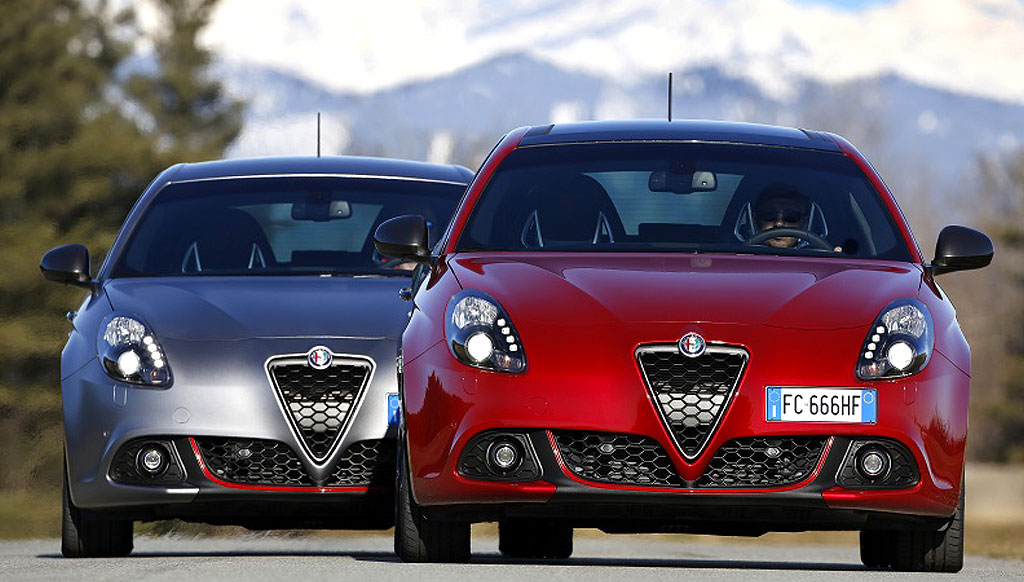
The Alfa Romeo Giulietta is set to go on sale spring 2016 with an all new facelift. The hatchback, with its all new trim levels and set up with several engine options, appeared at the Geneva Motor Show 2016. The Giulietta comes in five trim levels: standard, Super, Lusso, Veloce and Business. Other customization options include 11 body colors and a selection of wheel rims. One thing to take note is the touches to the exterior that seem to push the hatchback closer to the Giulia sedan in terms of design. The old Giulietta’s triangular snout, once fitted with vertical grilles, now has the same honeycomb grilles the sedan has. The front bumper also has a similar touch. On the other hand new alloy wheels and oblique exhaust tips shape the Giulietta’s new look, which also brings a slight redesign to the brand badge. The sporty version of the Giulietta (Veloce) is furnished with sports bumpers and a dark chrome finish on the wing mirror covers. Leather and Alcantra sports seats, matched with a leather steering wheel add an elegant touch, while a carbon-effect dashboard surround and door panels give a sleek value to the interior. Engine choices include a choice of four turbo gasoline engines (from 120 to 240hp) and four diesel engines (from 120 to 175ch). The new 120hp 1.6 JTDm diesel engine, the most cost-effective option, is announced with CO2 emissions of 99g/km and mileage of 74.3 MPG (3.8 l/100 km). The Uconnect onboard touchscreen built into the central dashboard provides an all-encompassing infotainment system. Some versions feature the Alfa Performance application for controlling the main parameters of the car and measuring performance in real time too.
It’s raining blue diamonds at Sotheby’s!
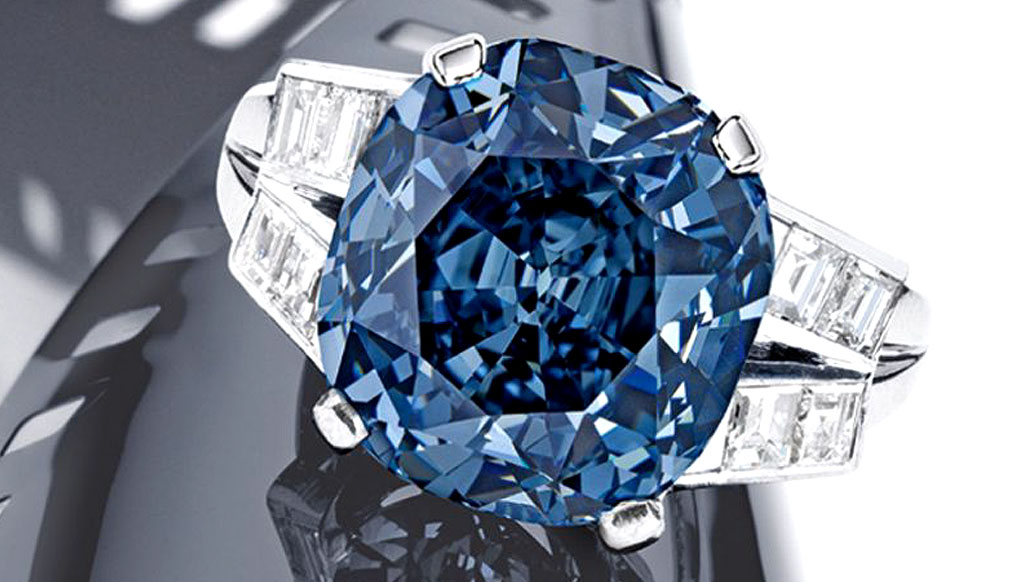
First the Blue Moon of Josephine went under the hammer five months ago, and last week we had news of De Beers Millenium Jewel 4 being auctioned off at the Magnificent Jewels auction. Now it’s the turn of Shirley Temple’s dazzling, cushion-cut Fancy Deep Blue diamond to seduce stone-lovers at Sotheby’s Magnificent Jewels sale to be held on April 19. Shirley was one of Hollywood’s most famous child actors in her time, and was most notably Hollywood’s number one box office star in the 1930s. In adulthood, she shed her glamorous Hollywood celebrity image to become another kind of superstar in the world of politics, where she was a diplomat. And that’s the history of the glamorous owner of the equally glamorous Fancy Deep Blue, valued at an estimate of $25 million to $35 million. The scintillating 9.54-carat diamond ring was acquired by Temple’s father back in 1940 around the actress’ 12th birthday and also in time for the completion of The Blue Bird, which she starred in. Then worth $7,210, the diamond ring has remained with the legendary icon until her death in 2014. Can’t wait to get your hands on this one, we bet!