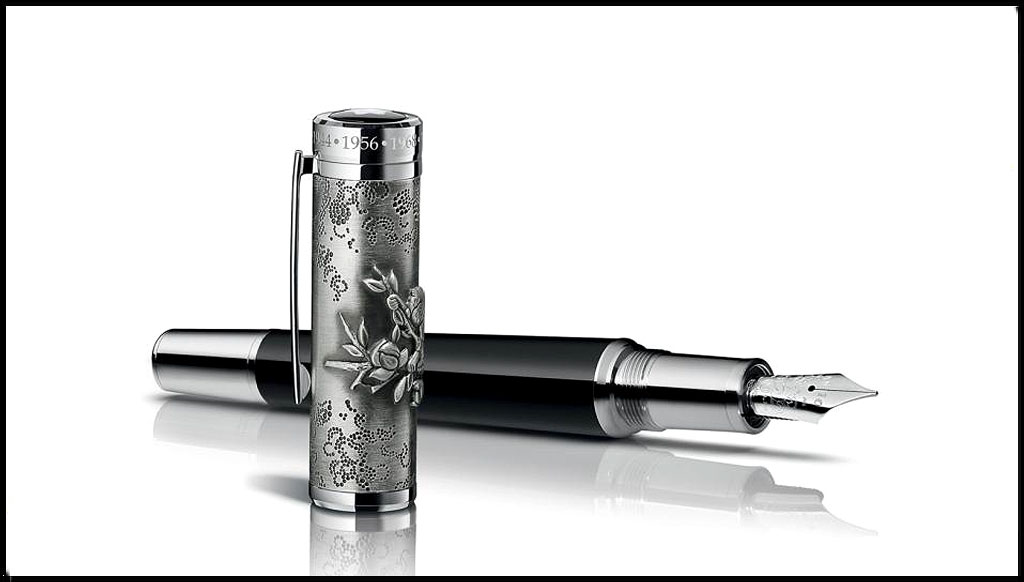
With the world celebrating the Year of the Monkey with pomp and show, a number of brands are turning toward China for inspiration. One such brand is the iconic German writing instruments manufacturer Montblanc with the launch of its Limited Edition Monkey Fountain Pen. Chinese Zodiacs are considered significant symbols in the Eastern World, and they exclusively revolve around animals. Each year, it relates to an animal and its attributes, with every animal’s chance recurring on a 12-year cycle. The instrument’s cap features a hand-engraved fire monkey with the last six years of the monkey. The last six years of the monkey is casted out of 925 sterling silver and a mother-of-pearl emblem on its top. The barrel of the pen flaunts precious black lacquer on brass with platinum-plated 925 sterling silver fittings. Its end is studded with Peridot, which is considered the birthstone of the monkey. The beautiful nib of the pen is crafted from 18 karat gold, with a monkey and the year 2016 engraved on it. This work of art is limited to just 512 pieces across the globe.  Now, you’re thinking 512 is a weird number for a collection, right? So here’s what the brand says: 8 multiplied thrice is 512. Significance, you ask? In Chinese culture, the number 8 is an auspicious figure signifying prosperity, so when luck is multiplied thrice it becomes luckier. Here’s to three times greater luck this year!

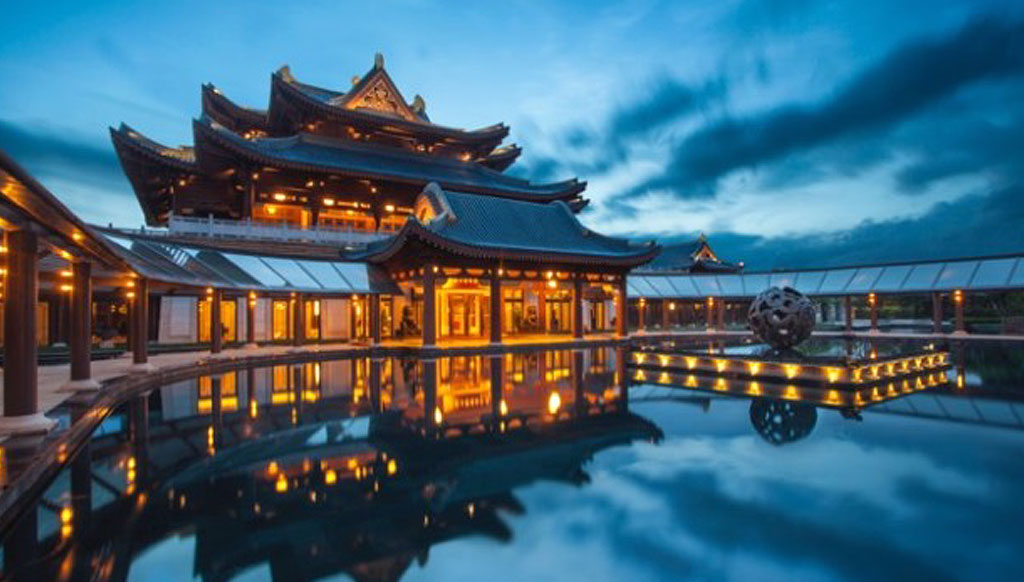
Imperial Springs Resort is a newly opened, supremely luxurious five-star property in southern China located on its own private 2.8 million square meter estate, an area larger than Monaco. Featuring traditional Chinese architecture, Imperial Springs is situated in the mountainous region of Conghua on the site of natural hot thermal springs long recognised for their healing qualities. The property can easily be reached within an hour of Guangzhou International Airport. The hotel includes 37 courtyard villas and 90 suites with butler service. Imperial Springs’ spacious 90 suites have access to a private swimming pool whilst the 37 villas offer a further degree of exclusive separate living with a private outdoor pool, a Jacuzzi and access to the hot springs. All guests receive 24 hour butler service. Phoenix Mansion, the property’s presidential villa, so named because it sits atop Phoenix Mountain, is as beautiful as it is exclusive, offering its occupants no less than 28 guest rooms. Conceived by an eminent Chinese doctor, Imperial Springs was initially designed and built to be an exclusive private members club, and was realised at a cost of £400 million, opening as such in 2012. It soon became apparent that this exquisite retreat could operate on more than one level, and in 2015 the decision was taken to offer discerning hotel guests the opportunity to stay in this supremely luxurious property.

Aston Martin again! There’s something about this name that you just can’t have too much of, right? The British car manufacturer has created some of the slickest auto designs in the world; James Bond would testify to that. And it’s a far-out creator in the home décor space too. This time, Aston Martin has come out with two new décor products that are must-haves for elite homes. The first is a futuristic bookcase-V083 that blends beautifully with a contemporary home that has a strong personality. This lit book space is available in two shades: lacquered silver matte with frontal drawers and a lacquered black glossy structure with drawers covered in Deer Black Ink leather. The underlying LED lights provide a dramatic effect. The other set from the brand is the V163 armchair. Crafted in a modern style, it is fully upholstered in soft Aniline leather and comes with a recliner mechanism that also allows extension of the seat. Offering complete relaxation and comfort, this chair has a glossy black metal base and is available in different colours. Made in Italy, both these products are exclusively available via Fabioluciani.com.

After endorsing brands like TVS, Toyota, Adidas and Flying Machine, ace Indian international cricketer and Captain of the Indian team in Test cricket, Virat Kohli will now be the face of Swiss luxury watch brand Tissot. Having displayed excellence in his performance on and off field and channelling the brand’s ethos and mastery in delivering perfection, the super sportsman is the perfect match for the brand. “Tissot is a brand with strong heritage, just like Indian culture. Virat, who is one of the best cricketers in the world, is the perfect ambassador for us. We wish for him and his team to win the next Cricket World Championship,” said François Thiébaud, President of Tissot. Already endorsed by Bollywood actress Deepika Padukone in India, since 2007, the brand has appointed Virat to join her in representing Tissot in the country. In fact, this will not be the first time an Indian cricketer has associated on this level with Tissot, as Mohammad Azharuddin was picked way back in 1999 as its ambassador. Post this appointment Virat has joined the league of his co-players Yuvraj Singh, who is the face Ulysse Nardin, and Sachin Tendulkar who endorses the brand Audemars Piguet in India. It definitely is a commendable achievement for the 27-year-old cricketer, steering him towards a successful future. Celebrating this association, Virat and the brand together unveiled the first campaign featuring him sporting Tissot’s latest creation—the T-Touch Expert Solar.

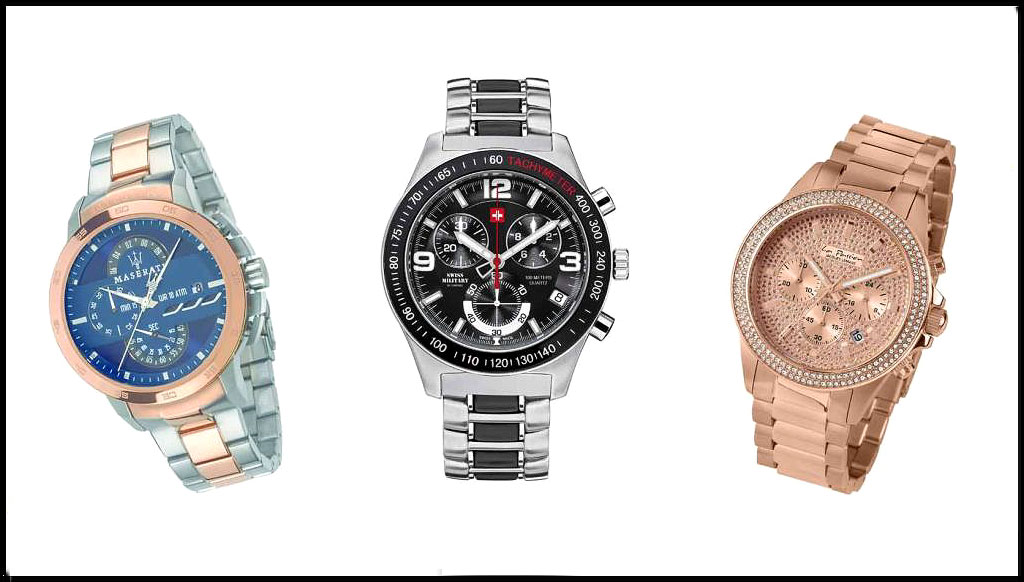
Renowned Indian watch distributor Skybird Inc. will bring to India Maserati Time, Swiss Military Watches by Chrono and Jacques Lemans watches. The company is the only one in the country to have acquired the exclusive marketing, promotion and distribution rights for these three iconic brands. Each brand from the three has its own distinct quality and target audience, and they strive enormously to gratify the demands of their specific costumers across the globe. Maserati Time enjoys an extensive and celebrated heritage; and it has constantly played a significant role in the history of sports car culture and its development, while the Swiss Military watches manufactured by Chrono AG in Switzerland are renowned for their outstanding design and quality. Both these watch brands design sporty and adventurous timepieces that are fit for an active lifestyle, and are versatile enough to be carried from work to party. The third brand that Skybird Inc. is bringing to India is the Austrian watchmaker–Jacques Lemans. This brand features a collection of classic and high tech ceramic watches specially designed for the elite. Jacques Lemans is also the official producer of the UEFA Champions League. Let’s just say—‘watch’ out for these!

Australian diamond mining company Lucapa Diamond Company is likely jet set for a triumphant weekend, seeing that it is now the proud owner of the 27th largest diamond in the world. The virtually flawless stone measures over 7 cm long, and weighs a remarkable 404.2 carats. The diamond joins 1-2%  per cent of the world’s diamonds with a Type 11a rating; the second highest possible rating for diamonds. Diamonds with these rating have the highest thermal conductivity, are almost or entirely pure and are usually colorless. This particular gem has been confirmed as a D color, which is the most colorless from a scale of D – Z. The newly discovered diamond trumps the Angola star, previously the largest Angola diamond, by almost two times its weight. The previous diamond weighed 217.4 carats, and though astounding by its own right, is a far cry from this new record breaker. Lucapa Diamond Company has estimated the new diamond’s worth at over $20 million, though a diamond this large would likely observe a different guideline from the smaller ones.

Lucapa reportedly plans to sell the diamonds to fund plans for further exploration and expansion at the Angola diamond mine, because who knows? These might not even the biggest find at the mine yet.

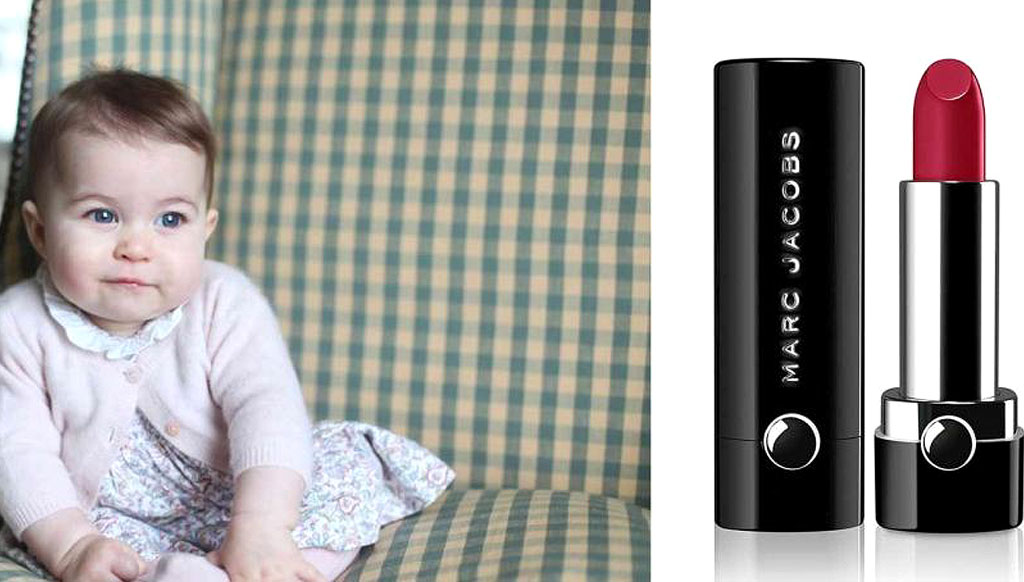
The Duchess of Cambridge, Kate Middleton, has been a muse for many designers. And her daughter, Princess Charlotte, continues the trend with a special Marc Jacobs lipstick named after her. Kate’s nine-month-old daughter has been the inspiration behind one of the shades of lipsticks created by American fashion designer Marc Jacobs. Part of his recent beauty line Le Marc Lip Crème, this shade has a lovely soft pink hue. Called Charlotte, this lipstick was recently launched in the United Kingdom to celebrate the brand’s overseas expansion. The lip colour is long lasting and hydrates lips when worn. In addition to this shade, the line also contains other hues such as Oh Miley and So Sofia, also inspired by celebrities. The lipstick is exclusively available at Harrods in the UK and is already in demand. It is priced at $34 (approx. INR 2,330).

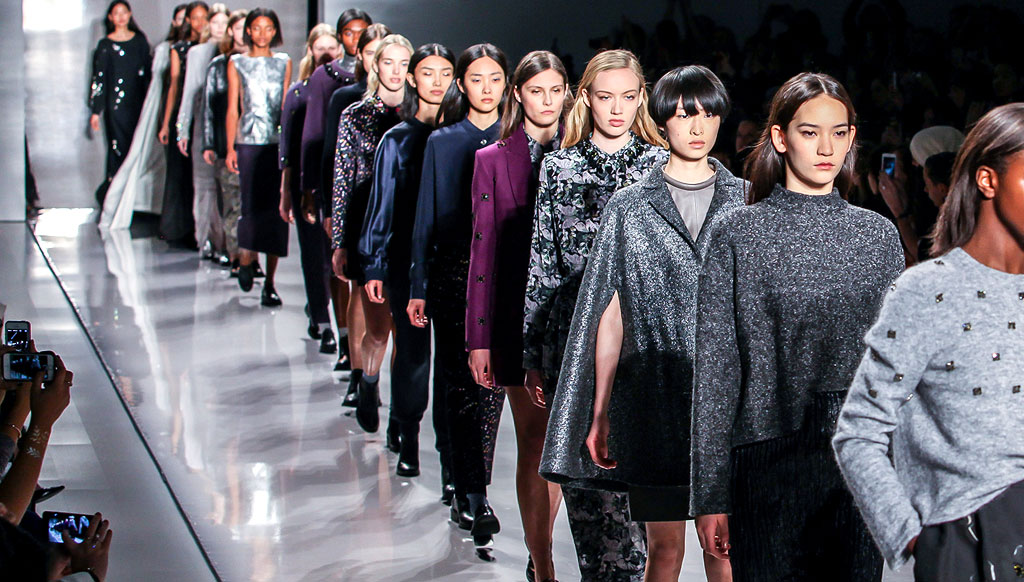
Amid the well-dressed crowds, traffic jams and throngs of photographers at the New York Fashion Week there’s a cloud of uncertainty that hangs over the future of the celebration: this could be the end of Fashion Week as we know it. Since news broke in December that the CFDA was reevaluating the traditional schedule in favor of something more consumer friendly, there’s been nothing but talk about how changes could seriously affect what we’ve come to associate with runway season. Till now, Burberry, Vetements and Tom Ford have all announced they are leaving the original schedule, making the possibility of a new Fashion Week more reality than conjecture.

Ford made this statement after he cancelled this season’s NYFW show, suggesting that the current situation is “an antiquated idea and one that no longer makes sense. We have been living with a fashion calendar and system that is from another era.” He notes that brands spend far too much money generating excitement for a collection that won’t be available for purchase for months. “Showing the collection as it arrives in stores will remedy this,” he added. “And allow the excitement that is created by a show or event to drive sales and satisfy our customers increasing desire to have their clothes as they are ready to wear them.”

He’s not wrong. With the advancement in technology, popularity of bloggers, social media growth and a fast fashion culture, consumers have easier access to their favorite designers now more than ever. Twenty years ago, when shows were only open to buyers and editors the current format worked smoothly. Now potential customers can see a collection today that they want in their closet tomorrow. The four-month gap between shows and availability has caused the industry to reach a breaking point. In this time frame the customer loses interest and fast-fashion brands like Zara and H&M can replicate the designs and immediately give buyers what they want. “Designers, retailers and everybody complains about the shows,” Diane von Furstenberg told WWD last year. “The only people who benefit [from early shows] are the people who copy it.”
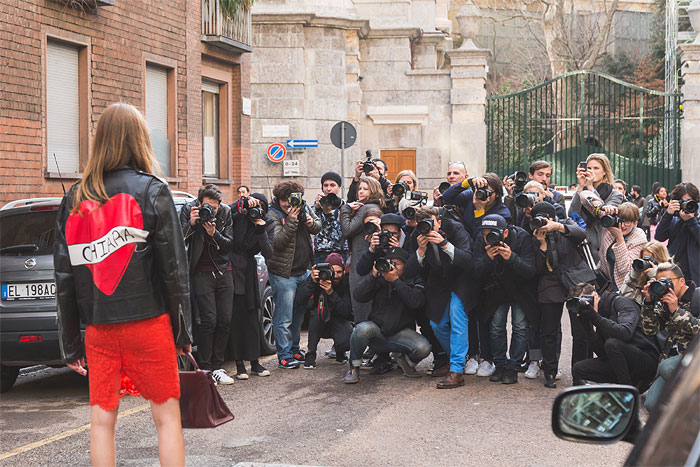
fast fashion brand

So what’s the solution? The CFDA has offered up several ideas such as switching the collections so they are shown during their corresponding seasons or even moving the dates to better coincide with in-season sales. There’s also the strong possibility of showing collections to editors and buyers privately beforehand and saving the runway for consumers. And there’s a huge market for consumer-focused shows. Tickets are reportedly being scalped and auctioned off at exorbitant prices, costing potential buyers anywhere from $950 to $3,500 just to see a collection. By offering potential buyers the ability to purchase the collection immediately following the show, designers can capitalize on the hype of Fashion Week and increase their sales numbers.

A number of brands like Versace, Moschino and Burberry have had great success in making products available immediately following runway shows. Many have seen increased sales numbers and collections completely sell out. “Sales were fast and strong,” Ruth Chapman of Matches Fashion told Vogue UK. “But also limited in terms of quantities—the intention was to sell out straight away and we did.” While these numbers seem to be indicative of the desire to shop off the runway, it doesn’t necessarily reflect the majority of luxury consumers and some brands worry that the desire to have the latest and greatest will wane when it’s no longer a novelty.
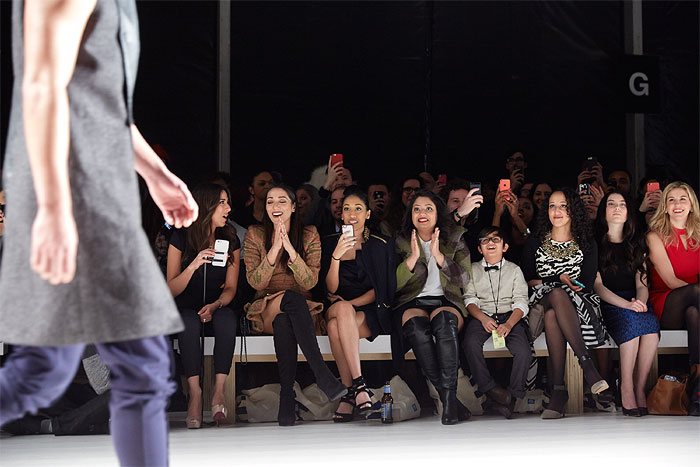
ruth chapman

Burberry doesn’t see it that way. The brand has been streaming their runway shows online since 2009 and offering interactive, shoppable content during each show. For the most part it’s been small things like accessories, but now they’ll be offering their entire collection online and in-stores, immediately following each presentation. Last week, Burberry’s creative director and CEO Christopher Bailey announced that the brand would merge its menswear and womenswear into one show and will only present twice a year. “The changes we are making will allow us to build a closer connection between the experience that we create with our runway shows and the moment when people can physically explore the collections for themselves,” he said in a statement. “Our shows have been evolving to close this gap for some time. From livestreams, to ordering straight from the runway to live social media campaigns, this is the latest step in a creative process that will continue to evolve.”
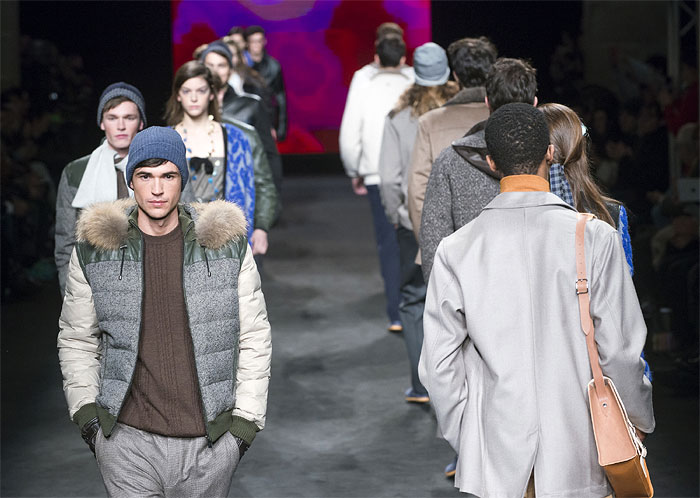
christopher bailey

A few hours after Burberry made their announcement Tom Ford cancelled his February 18 NYFW show and revealed that he too would be following a more consumer-friendly schedule. The designer will now showcase his Fall 2016 collections this September, closer to when the collection will be available for purchase. This isn’t Ford’s first break from the traditional Fashion Week structure: he’s experimented with personal showcases in his flagships, media-blackout presentations, shown in exotic locations and last season decided to forgo the runway entirely in exchange for a collection video featuring Lady Gaga.

Up-and-coming Parisian brand Vetements also jumped onto the bandwagon, and starting next year, will stage conjoined men and womenswear shows in January and July between the traditional men’s ready-to-wear and women’s couture fashion weeks. The label already stopped producing pre-season collections, noting that the current system is merely killing the creativity of its designers. “Designers are human beings who need to have some spare time to get rest and gather strength. Instead, designers are put under enormous pressure and insane schedules,” Guram Gvasalia, Vetements’s CEO told Vogue. “The industrial machine sucks out their creativity, chews them up, and spits them out. Reducing to two main collections will give designers enough time to revitalize.” Currently the brand is under the creative direction of his older brother Demna Gvasalia, who was just named the creative director of Balenciaga.
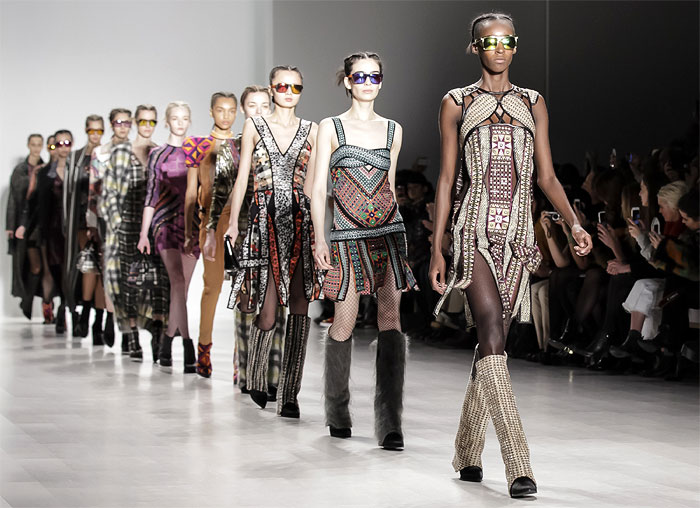
parisian brand vetements

One of the forerunners of the movement, Rebecca Minkoff, is expected to present her shoppable Spring 2016 collection rather than her Fall 2016 line this weekend during NYFW. Her large social media following, which she’s grown over the past few seasons with exclusive Fashion Week content and partnerships, should help her transition easily from an industry to consumer show—and her non-traditional presentations suggest she’s willing to adjust as necessary. “What will the ideal new model be in terms of a Fashion Week that takes into account retail partners, one’s own stores, the social media frenzy and consumers?” Uri Minkoff, CEO of Rebecca Minkoff, asked WWD. “What would be the ideal solution that doesn’t change dramatically the fashion calendar, and becomes a win-win-win for every party involved?”
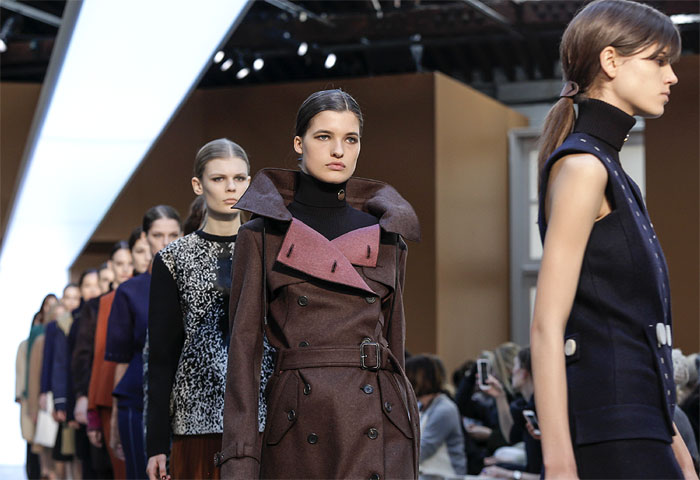
rebecca minkoff

It’s an excellent question. A consumer-facing show sounds like an easy solution to the problems plaguing the traditional schedule, but it leaves a number of important questions unanswered. For the model to work, everything shown on the runway would need to be available for purchase, when in reality, only about 30 percent of what’s seen during ready-to-wear presentations actually goes into production. This would result in smaller collections or limit brands into only showing what was already purchased by buyers in industry previews. By doing this it caps a designer’s creativity and doesn’t allow them the ability to showcase their more exciting, Instagram-worthy pieces, potentially depreciating their brand’s image.

It could affect lead times and put pressure on manufacturers, not to mention the rest of the supply chain, which could result in lower quality goods. “It’s great for the people that have their own factories and have the machine in place to produce the things as quickly as they can, but for a lot of the smaller guys, I think it will be an absolute pain, as it’s already really difficult to get the stuff made,” said Vogue fashion director Lucinda Chambers. “Big brands like Burberry can say, ‘We’ll do 20 of those six pieces,’ based on what their feedback is from live-streaming it. Smaller brands don’t have that opportunity and will be unnecessarily squeezed.” This could be crippling for unknown designers that are just starting to gain a foothold in the industry.
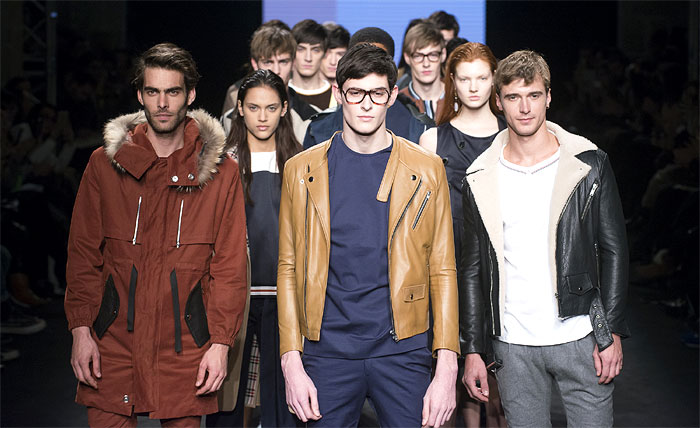
consumer facing show

And even if consumers are satisfied with buying from a curtailed collection and can get past the initial confusion that would result from the deconstruction of the traditional Fashion Week, brands could still see a dip in sales. Ready-to-wear collections, while creating the biggest hype, don’t actually bring in very much money. Pre-collections can make up roughly 35 to as much as 90 percent of a brand’s revenue due to availability, length of time on the sales floor and ironically, ease of wear. Customers that are spending a majority of their budget on a pre-collection will have limited funds when it comes to ready-to-wear—even if it is available and made for immediate consumption. Obviously there’s no clear-cut answer yet, and the industry is just beginning to venture into new territory, but it will be interesting to see how the decisions made in the next few months transform the landscape of fashion.
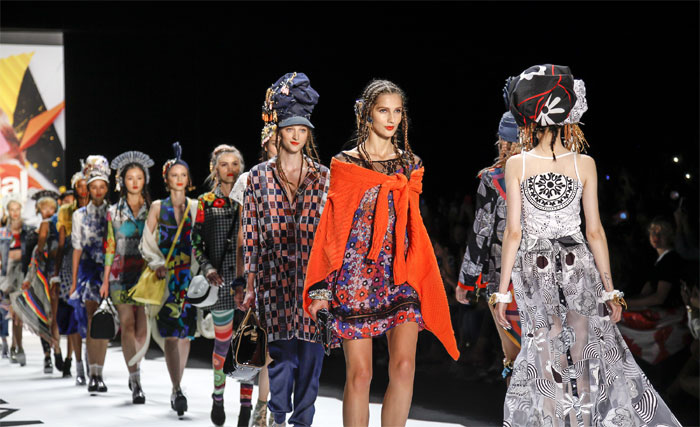
curtailed collection


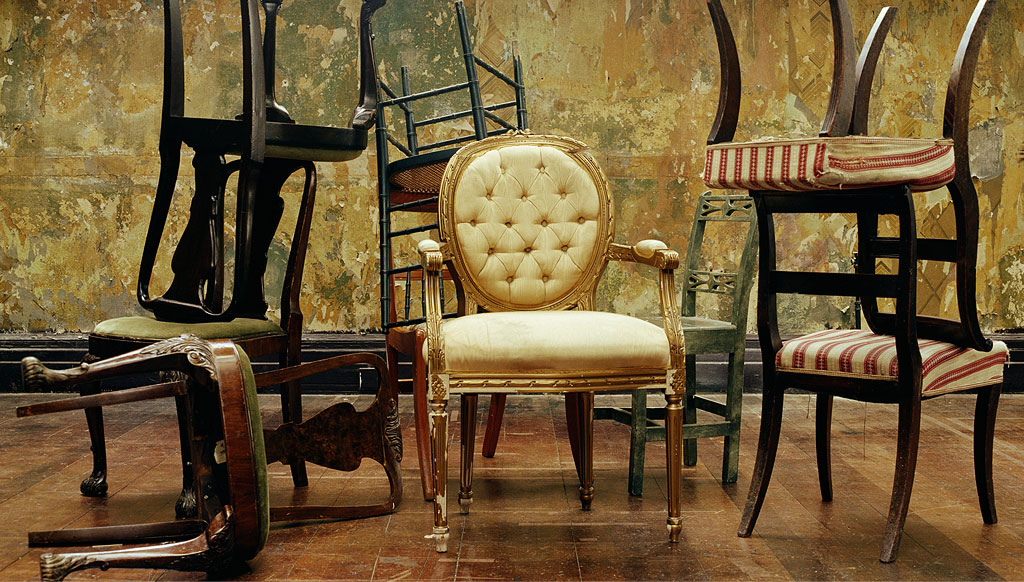
In art, one man’s doodle is another man’s Picasso. Furniture too enjoys random evaluations with Singh uncle’s old bar-cabinet suddenly finding itself declared a collectible one Sunday morning. To know the deal with the real antique artefacts, and whether the accompanying story is fabricated or fact, it takes experience and knowledge. While a master’s eyes assess the heritage value of the object as a whole, one can train their eyes to look for those signs, always apparent on a closer look, to judge for the better. And as the love for all things vintage takes over, it is only wise to understand how to approach the process of buying and investing in antique objet d’arts for your home.

Here is our bit in helping you recognise the age and its beauty defining the charm of a piece of antique furniture. We bring you bespoke furniture designer & restorer, Abhishek Sikhwal, founder and master craftsman at Resetto, to tell us about the methods applied to extrapolate the authenticity of a piece.

Below is his take on going antique-hunting and his suggestions for fellow collectors, enthusiasts to abide by in their quest for the real gold

LOOK DEEP | If looking to buy antique furniture, the first step is to research well on what style, period, look you want as these aspects needs to fit in

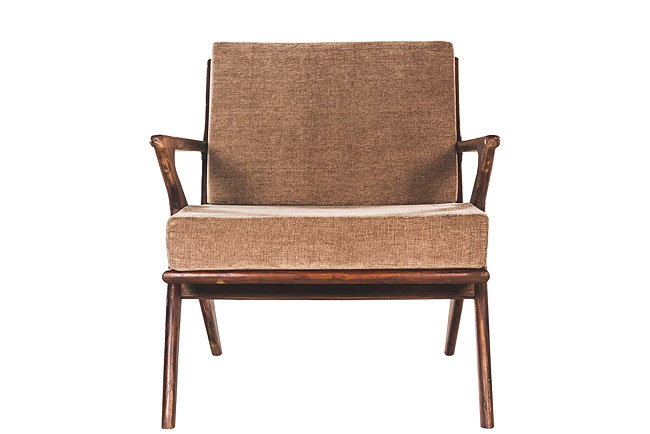
Firstly, doing some research to know the type of item that you are after will help you maintain focus. Much of antique shopping is about stumbling into beautiful objects that you can never plan to find. However, having an idea and some knowledge about various styles will help you make the right choice. When assessing an antique furniture piece, try to determine the style. Is it more Art Deco than Mid-century? Teak wood was more prevalent during the Art Deco movement so if someone shows you a Deco piece made of Mango wood then chances are that it is a replica.  Try to educate yourself on the various grains of wood. It’s a fascinating skill to work towards and can even become a party trick (at the right party). When I started, I couldn’t tell Sheesham from Mahogany but now that I’m talking the talk, I have gotten much better at bargaining. I feel like Indiana Jones whenever I’m out hunting for artefacts in Cochin (excellent for Art Deco furniture), Jodhpur (a treasure trove of trunks and distressed furniture), Goa (good for art and sculptures) and Delhi’s Amar Colony (for colonial furniture and the odd Saharanpur cabinet). Several cities also have auction houses where antiques go for a song.

TALK SHOP | If a piece of antique furniture seems to carry a heavier price tag, one should ask about its history, heritage, and also talk to those dealing in these objects

Remember that if it seems too good to be true then it probably is. A lot of dealers will vaguely talk of Burma teak and ‘heavy wood’ but ultimately it comes down to the price. Like sommeliers who only taste what they’d like to taste, sometimes a seller or collector may bestow more value on an object than it deserves. If it seems too expensive then enquire why. Perhaps the piece has a history, feature or craftsmanship detail that isn’t immediately perceptible. Don’t hesitate to ask questions. Having a dialogue with the right dealers will help you learn more about the history, production process and resale value of your potential purchase. The more markets and dealers you go through, the better will be your understanding of how much a thing should cost. However, you would do well to go with your gut instinct than any index lest you become one of those men who Oscar Wilde thought as knowing the price of everything but the value of nothing.

RESTORED BEAUTY | While repairing chips and tears in heirloom pieces is a way to conserve them, a full overhaul takes away from the authentic look of age enhancing character

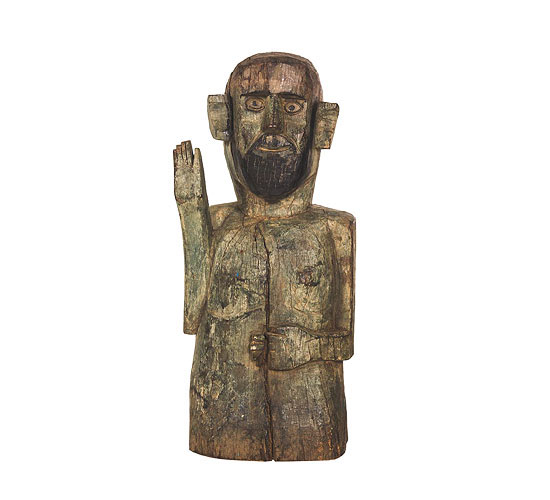
Before purchasing anything, make sure that the item is not defective. There’s nothing worse than being over the moon with your purchase, only to go home and realize that it is damaged. If it is damaged from the very outset then consider the cost of repairing the item and whether it would be worth the effort of restoration. I read somewhere that when the Japanese mend broken objects, they enhance the damage by filling the cracks with gold. They believe that when something has suffered damage and has a history it becomes even more beautiful. When I source a trunk or sculpture that has been battered by time, I try to keep it in its original state so that the end customer knows that this was once a beautiful piece and is now even more beautiful for continuing to survive (warts and all). Like a War veteran or an old dog who takes his own time to fetch.

SHABBY CHIC | Cosmetic alterations to effect a vintage look and feel on objects is very much the trend now, but in the process one could lose sight of some real antique beauties

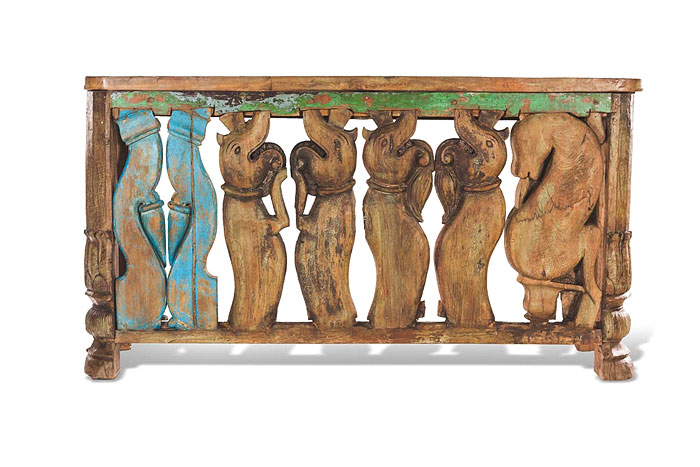
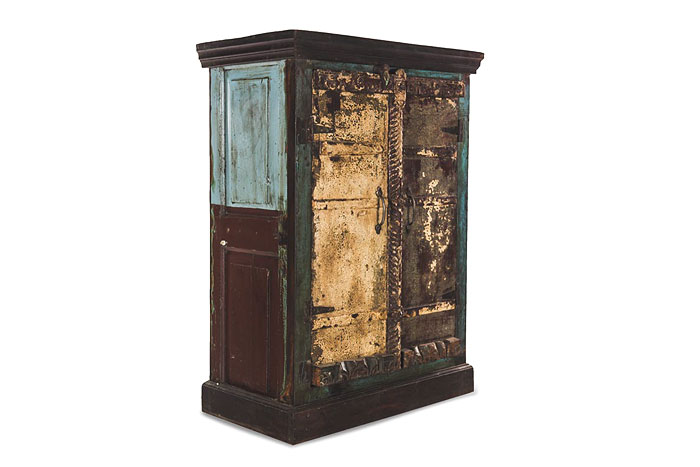
Several online portals now have a category for ‘vintage’ furniture wherein they feature reclaimed wood pieces that are painted randomly. This leans more towards Shabby Chic and yet my survey says that people are mistaking this for ‘antique look’. For the price of a new piece made to look old, people can actually get an old piece that not only retains all of its charm but also features craftsmanship of a bygone age.

All pictures of furniture items, except the one in top banner, are from Resetto’s bespoke catalogue.

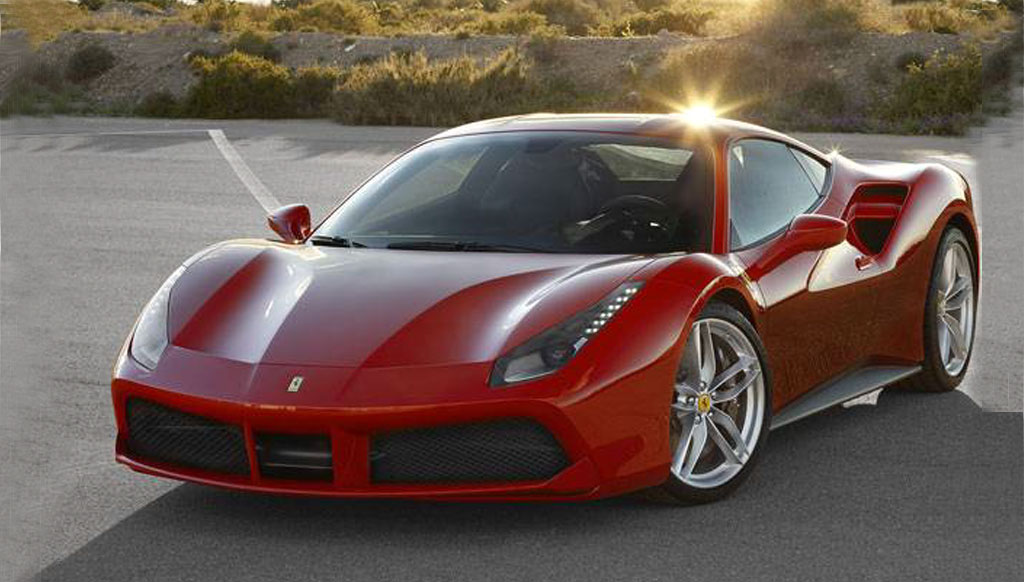
The eagerly-awaited Ferrari 488 GTB was unveiled in New Delhi at an exclusive launch which took place at Ferrari’s New Delhi Dealership – Select Cars. Forty years from the original launch of Ferrari’s iconic first-ever mid-rear-engined V8 berlinetta, the 308, the 488 GTB opens a new chapter in the history of cars. Credit for this must go to the 488 GTB’s revolutionary proprietary solutions which deliver a car at the top of its class in terms of power output (670 cv) with engine and command response times of just 0.8 and 0.06 seconds respectively. Sophisticated dynamic vehicle controls make this massive power completely controllable even on the limit by drivers of all abilities, resulting in the unique driving pleasure that only a Ferrari can deliver. Ferrari drew extensively on its experience in both Formula One and endurance racing. Also pivotal was the XX programme in which Ferrari’s technicians have developed a unique knowledge of the dynamic behaviour of extreme cars driven by non-professional drivers. The 488 in the car’s moniker indicates the engine’s unitary displacement, while the GTB stands for Gran Turismo Berlinetta, a reference to its deep roots in Ferrari history. Designed by the Ferrari Styling Centre, the 488 GTB’s sculptural forms accentuate the car’s sportiness yet retain the classical legendary styling. The extreme power required by the car is delivered by the new 3902 cm3 turbo engine which is coupled with a seven-gear F1 dual-clutch gearbox featuring Variable Boost Management which optimally distributes torque. The 488 GTB guarantees exuberant performance that is absolutely exploitable to the fullest regardless of driving conditions and is accompanied by a deep, seductive soundtrack, the signature of all Ferrari engines. This stylish demon of the roads is available here for a price of Rs 3.88 crore (ex showroom, New Delhi).