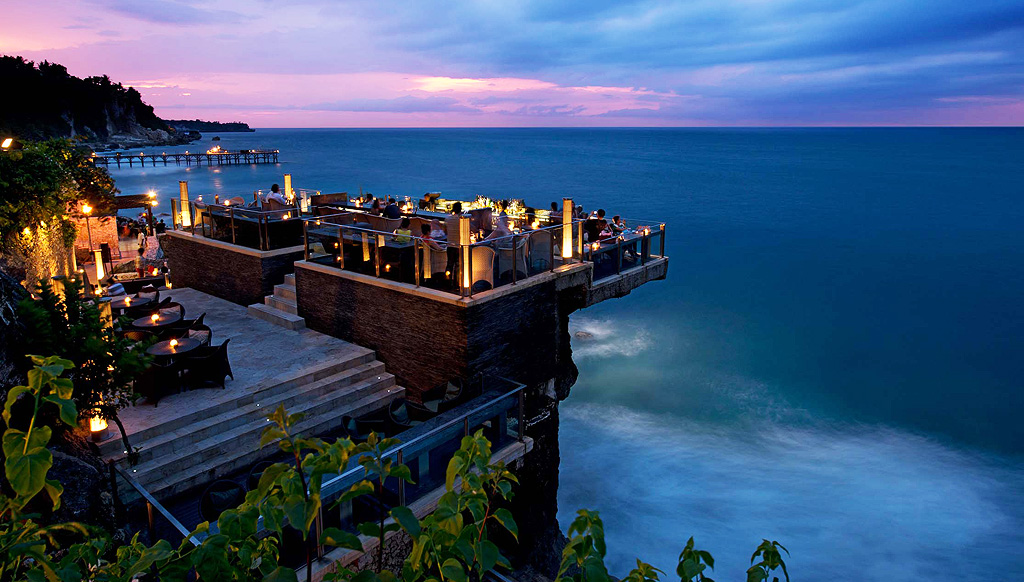
ICONIC BAR | Bali’s most spectacular venue for sundowners, the Rock Bar standing on 14 metres above the ocean on a natural rock at the base of towering cliffs
Ocean beach
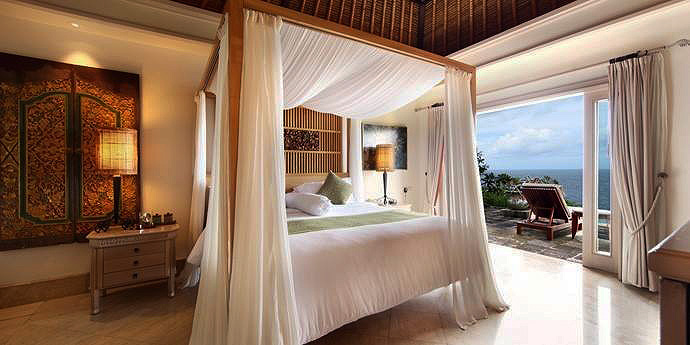
Ayana is Sanskrit for ‘a place of refuge’ and the 78 villas at Ayana Resort in Jimbaran, Bali provide ideal retreat for rejuvenating your mind, body and spirit. You can enjoy the breath-taking view of the Indian Ocean from cliffs and chill out in the privacy of your villa with a butler 24/7 in attendance. Once you batteries are recharged have a gala time savouring world-class dining, spa, recreation and beach.
Ocean view pool villa with a butler 24/7 in attendance
Each villa has its plunge pool and a night’s stay costs around $1,100. Visitors enjoy benefits such as $50 dining and spa credit and return airport transfers for those booking directly, butler phone upon check-in for 24-hour personalized service, guaranteed reservation for sunset at Rock Bar, Bali’s most spectacular venue for sun downers, choice of 30-minute Balinese massage or sunrise yoga, romantic table set-up with any in-villa dinner order, flower bath upon arrival, buggy service around the resort, unlimited golf-putting and tennis, and personal assistant service before arrival to prepare for your stay.
The outer view of the resort with a ocean beach
If you want to spend your time indoors, you can spice up your stay by having a floating brunch in the private plunge pool or a flower bath at sunset or couple’s massage from the famous Spa on the Rocks.
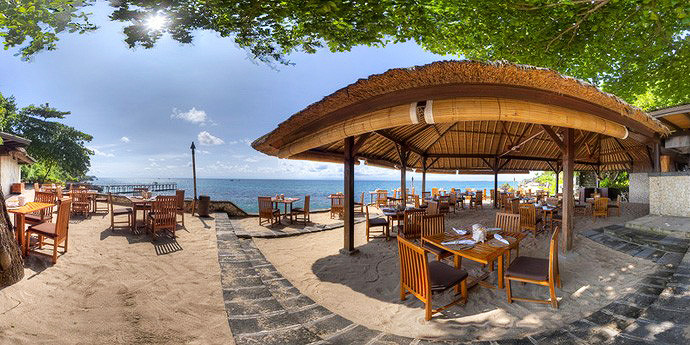
The sand-floored Kisik seafood restaurant at Ayana
The choices outdoors are even more exciting – the iconic Rock Bar standing on 14 metres above the ocean on a natural rock at the base of towering cliffs, the ultra-chic Dava restaurant, pan-Asian melting pot of Padi restaurant, Italian at Sami Sami and the sand-floored Kisik seafood restaurant beckon you.
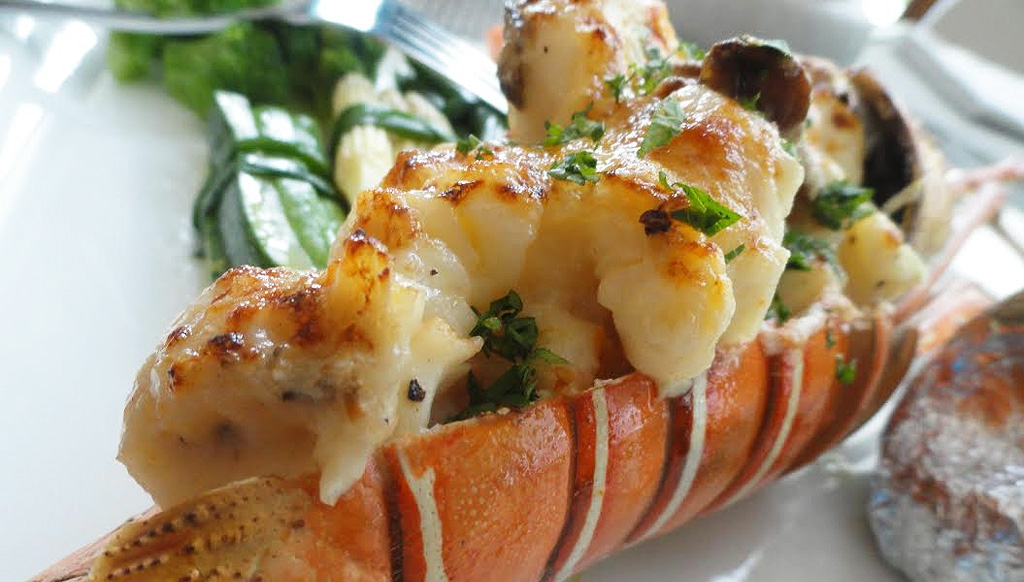
CULT CREATION | A beautiful rendition of classic Lobster Thermidor in Nostalgia at 1911 Brasserie, The Imperial New Delhi
When on a culinary quest, one can come across a host of restaurant trends ready to catch your fancy, and among them the imaginative establishments referred to as theme restaurants. Should you look for a veritable description of this, Wikipedia classifies these eateries as those “in which the concept of the restaurant takes priority over everything else, influencing the architecture, food, music, and overall ‘feel’ of the restaurant. The food usually takes a backseat to the presentation of the theme, and these restaurants attract customers solely on the premise of the theme itself.” Now, that is succinct and simple, but it does not do full justice to theme or concept restaurants which, more often than not, go beyond visual aesthetics to also offer unique gastronomic experiences worthy of their patrons’ praises.
NICHE SPACES | Concept restaurants are high on ambience, where the food is interwoven into the whole experience
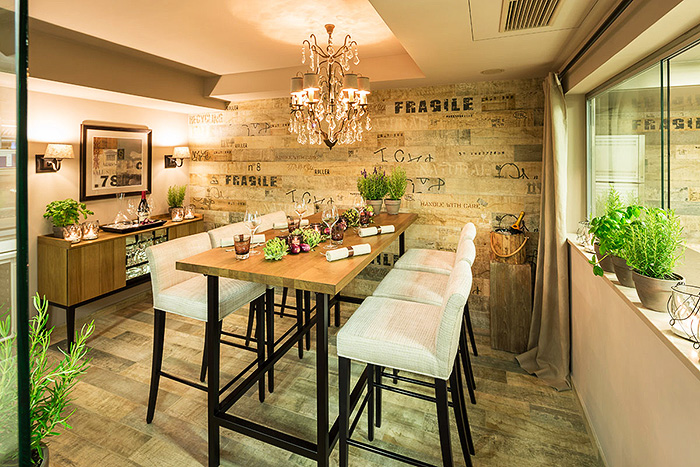
Considering concept restaurants occupy a niche space on the otherwise crowded landscape of oft-sought fine dining places, new fast-casual joints, trendy pubs and quirky take-away joints, there are parameters which they must satisfy before being referred to as concept restaurant [and no, being ‘weird’ does not essentially cut it]. So, if nouvelle cuisine is a term that catches your fancy, only to be subsumed by neuro-gastronomy, then you are one for the concept restaurants. And, if a thematically recreated ambience with speciality cuisine is what tickles your tongue, then there are classic concept restaurants for those as well. Considering the business of food has its passionate players increasing their tribe in India, there is a lot to look forward to in terms of ambience, cuisines and chefs.
RECIPE ROSTERS | Redefining culinary traditions takes not just a love for food but patience, courage and expertise
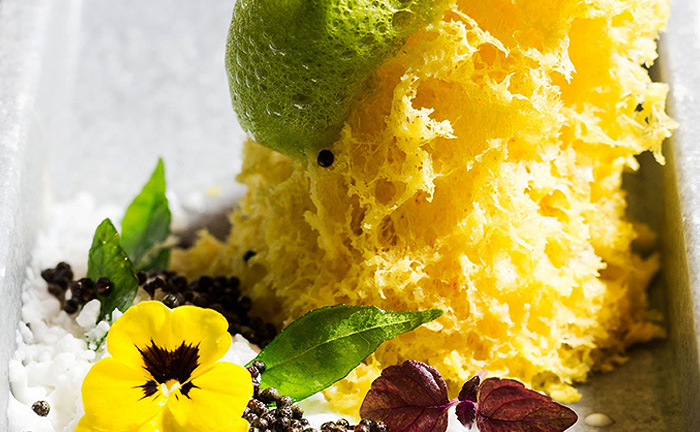
So, with a lot being said about celebrated New York chef Floyd Cardoz’s return to homeland with the recently launched café-bar, The Bombay Canteen in Mumbai, there is also an upbeat feeling among the creators and consumers of good food. And even as elBulli, mecca of molecular gastronomy, closed doors in Spain, there is hope closer home in the form of Chef Gaggan Anand championing the cause of his progressive Indian cuisine using molecular gastronomy [having trained at elBulli’s chef Ferran Adria] and doing pop-up restaurants in Mumbai and Delhi. The gastronomic adventurer’s trail in India has a lot of existing and upcoming hot spots to cover, should one want to appreciate the classic and the novel for singularly distinguished experiences.
MOLECULAR MAGIC | Chef Gaggan Anand’s radical take on Indian food makes it a gastronome’s adventure
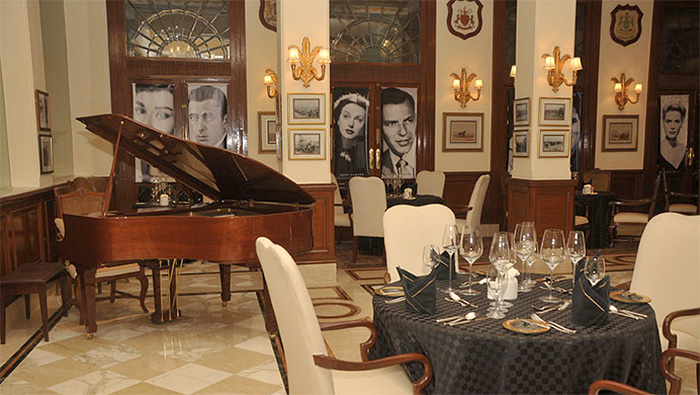
In Delhi, a bastion of classic elegance and eclectic cuisine is The Imperial’s concept NOSTALGIA at 1911 Brasserie. Not only the year in its name harks back to an olden golden era, but the French style brasserie brings back some all-time western favourites, presenting a selection of traditional European fare of the 60s and 70s, along with classic continental cuisine, all very carefully curated. Walking into Nostalgia, you slip back into time as you see rich dark wood, pale cream and beige walls set off by framed black and white pictures of Hollywood legends, ornate lamps and checkered table linen in solid shades. Open only for dinner, there are French style dishes like coq au vin and lobster thermidor along with typical old world comfort dishes like Salad Layonnaise, French onion soup, Ratatouille, Duck a L’orange amongst others on the menu, served in impeccable service ware, accompanied by some enchanting live Jazz or piano music recreating the magic of Jim Reeves, Louis Armstrong and Elvis Presley.
COLONIAL REGALIA | Old world charm and classic European cuisine comes alive within the concept of Nostalgia at 1911 Brasserie
Nostalgia is a quaint space, a concept restaurant not only in its old-world décor, channelling the colonial flair with its cuisine, but it also boasts of unique traditions like the Maître d’hôtel coming over to your table to flambé dishes. Boasting of an exquisite selection of new and old age wines, there is also fine Bourbon, Scotch, and cocktails to indulge in as you listen to the saxophone being played live. To round off a lavish, laid-back dinner, this restaurant also offers speciality coffees, in preparing which there is some theatre involved as the coffee is finished at your table with cream, alcohol and the signature flambé technique, making it a sight, adding to the smell and taste–a fitting experience at this niche restaurant.
RETRO REVIVAL | The art of flambé is a vintage culinary technique and is practiced with élan at Nostalgia, making the food a sight to feast on
If the above about Nostalgia has brought back fond memories guaranteeing a revisit, or if it has opened the floodgates of imagination soon to be realised with a dinner reservation there, then we have some more to share with you, coming straight from an exclusive tête-à-tête with Mr. Vijay Wanchoo, Sr. Executive VP and GM at The Imperial, and also someone closely connected to Nostalgia at 1911:
The Luxe Café: Nostalgia at 1911 presents itself as a brasserie with an old world charm about it. Please tell us more about it in terms of how it started, what were the thoughts that led to its set-up?
With a brand like 1911 resonating history in its concept, layout and cuisine, it was a step forward for us to curate Nostalgia at 1911 in a brasserie set up for evenings, revisiting the classic European menu in an old-world ambience where you can even visualise a waltzing couple on the floor. It was christened in 2011 with a selection of classic dishes, each put together with immense research and several rounds of tastings with experts, to bring to the table the authentic flavor. While the walls greet you with black and white photographs of music icons, legendary Hollywood stars in the midst of royalties adorning nook and corner of Nostalgia, the soft piano notes or jazz music make sure that your experience is truly magical. In how many restaurants do you actually get to see the traditional delicacies being flambéed with cognac on the gueridon trolly, adding not only culinary drama but taking you back to yesteryears. Set against the traditional and rare European theme, the restaurant promises you an escape route from contemporary to classic.
PERFECT PERCH | Mr Vijay Wanchoo, Sr. Executive VP and GM at The Imperial
Talking of the traditional European fare served at Nostalgia, could you please tell us more about the process of curating the menu for this continental cuisine restaurant [in terms of which parts of Europe/countries does the food relate to]?
Re-tracing the grand old times the menu offers some all time Western favorites laced with old and new age wines that the restaurant is known for Retracing the roots of this culinary journey was an interesting task. We gradually froze our thoughts on European cuisine and the result was a masterpiece, evoking grandeur in its form and food. From French Onion soup to Scottish smoked salmon or Lobster Thermidor to Crepe Suzette flamed with cointreau , each dish was thought over deeply and prepared with a fine mélange of flavours, presenting an experience which is truly transcendental. Fresh and simply delicious. I eventually had to revisit the menu with the team many times as suggestions and thoughts used to cloud judgments but then what we came with, is truly close to my heart and one which I am sure a true food connoisseur will surely fall in love with.
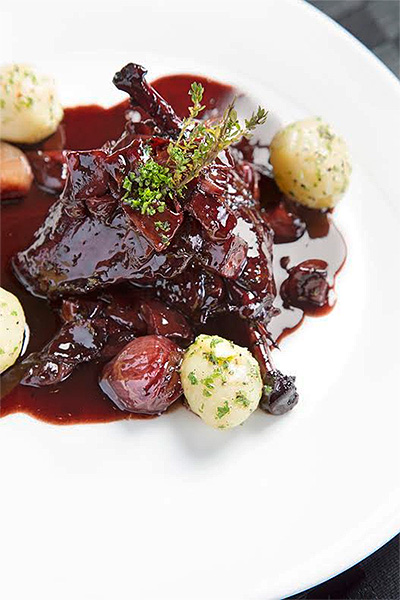
SIGNATURE STYLE | The all-time favourite, coq au vin, from the Nostalgia kitchen
Please share some of your favourites from among the signature dishes on offer at Nostalgia?
Lobster Thermidor
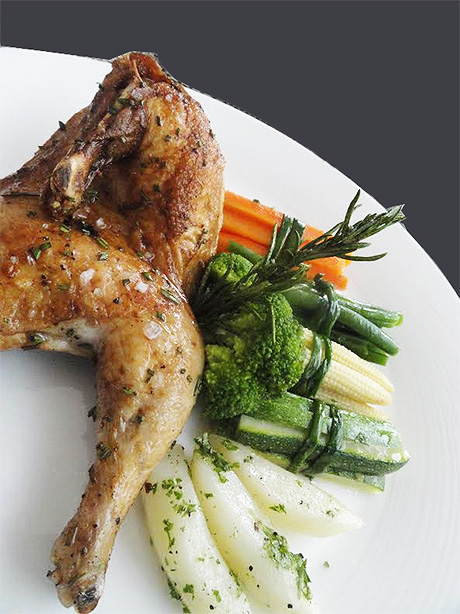
Traditional roast spring chicken
Coq-au-vin
Sea bass ‘amandine’
In line with a restaurant with a defined ambiance, decor and cuisine, Nostalgia seems very much a concept restaurant. What is your take on this recent spurting of concept restaurants and where do you place Nostalgia in the scheme of things?
From casual concepts to fancy fine dining hot-spots, the thematic dining experiences are sprouting up across the city’s skyline but what actually makes the difference is the overall experience guests take home with value for money. An endeavor like this whether big or small can create an indulgent and intricate menu if it is backed by right flavours and right choice of ingredients with a unique ambience, essential for a competitive environment. I take pride in a product like Nostalgia which not only stands on the erstwhile luxurious image of The Imperial but offers a rare and unique charm involving labour of love.
You being so closely associated with a trend-setting establishment like Nostalgia, we would very much like to know your thoughts on the current ‘food scenario’ in India, as it unfolds?
The food culture in India is evolving with diverse concepts and the guests are well aware of the trends since they are extensively travelled. From organic food to being vegan, molecular mixology to molecular gastronomy like home grown soil free 100 % organic micro greens, spiced flavoured beverages to Ayurvedic meals and unexplored regional cuisine, food and beverage today offers a mélange of the old and the new. What goes out comes back in vogue. The old is the latest new and classics are timeless. The restaurants are always on the lookout for some interesting concepts that hold attention of its diners, to survive and sustain their brands in a competitive environment. In this context, the essence of Nostalgia lies in its old world menu fabricated with recipes which revolutionised the culinary world in olden times, creating a stellar dining experience for any connoisseur. Also when all this comes within the precincts of an iconic hotel like The Imperial, it’s indeed a distinct food and wine sojourn.
This fashionable dining spot at The Imperial looks straight off a romantic movie set offering stellar experience
In order to be a thoughtful guest at a fine dining establishment, what are the essential etiquettes one needs to observe [considering fine dining is an experience more than just a choice]?
Appropriate dressing is the first etiquette a refined guest or a well informed guest keeps in mind before even choosing a fine dining experience. Then comes the understanding of food, table top trends etc. For instance they even know the crockery brand or even the right plating of the dish, ready to discover flavours in a whole new way. The guests visit us with high expectations pertaining to food and service which we are known for and most of the guests are regulars who are recognized and prefer personalization. The associates are trained to remember the guest names and their preferences to enhance the impeccable Imperial experience.
HEARTY FARE | A warm roast of chicken served with buttery vegetables is a great one from Nostalgia
When it comes to wine pairings, there is no one way to do it. What are some of your all-time preferences when it comes to food and wine pairings [it would be great if you could suggest some based on the menu at Nostalgia]?
Lobster Thermidor-DR. Burktin Wolf Estate Reisling (German)W
Traditional roast spring chicken–D’Arenberg The Foot Bolt Shiraz Mc Laren Vale ( Australian) Red
Coq-au-vin-Kendall Jackson Grand Reserve Cabernet Sauvignon- ( USA) RED
The live music tradition at Nostalgia surely enhances the whole experience. Do you think food needs such accompaniments or is it a certain feel that one intends to impart at Nostalgia?
Just like the thrill of presenting a dish in a unique fashion induces creativity in a chef, similarly generous sprinkling of soft musical notes transcends your dining experience to a trance state where you not only discover flavours but feel satiated with each bite while your feet and mind tip toe along. A cuisine bursting with traditional ingredients and a treat for your taste buds, needs music as an accompaniment, to complete the experience.
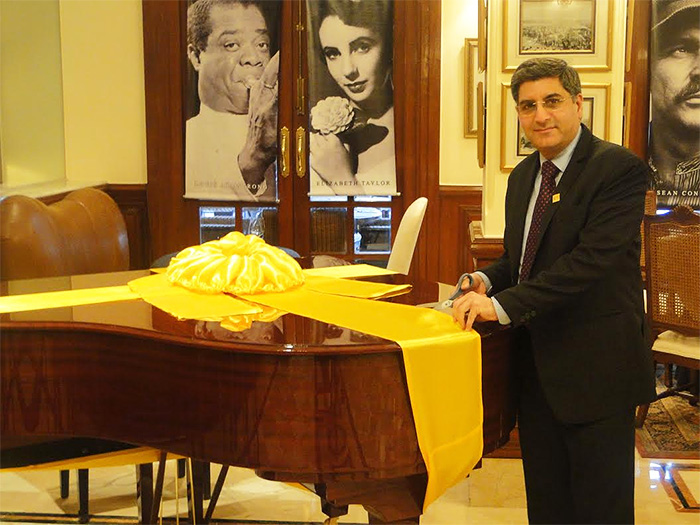
The Steinway offers this unique experience and we proudly mention that we are the only hotel in India to possess
this royal instrument
What, for you, is luxury when talking in terms of eating out [in India or abroad], and sampling various tastes?
Luxury comes inexplicably in finer things. For eating out, it takes a sneak peak in the ingredients that make the cuisine, in the style the dish is plated, the ambience which is designed to inspire or even in the service that is unique to the restaurant. All these parameters together curate a luxe experience. My background in food production has taught me finer nuances of food luxury. Authentic ingredients, understanding and knowledge of varied cuisines by the chef, the way each course is served to the minute touches like the finish of the crockery and the cutlery, all create the ultimate dining comfort for a true connoisseur and which also succumbs to being rare and precious.
You were in Dubai very recently. Which restaurant there is a must-visit for you and why so?
Dubai cuisine is as exotic as it can get. I just love the Mediterranean gastronomic restaurant Verre at Hilton Dubai Creek, frequently attended by Dubai’s high society. It is overseen by Gordon Ramsay, the British chef with a reputation for meticulous attention to detail that has earned him 12 Michelin stars. The venue has understated elegance in its crisp white linen, simple cutlery and large glass walls. This contrasts with sophisticated cuisine using the finest produce flown in from Europe, and wine matched to each dish by the award–winning sommelier.
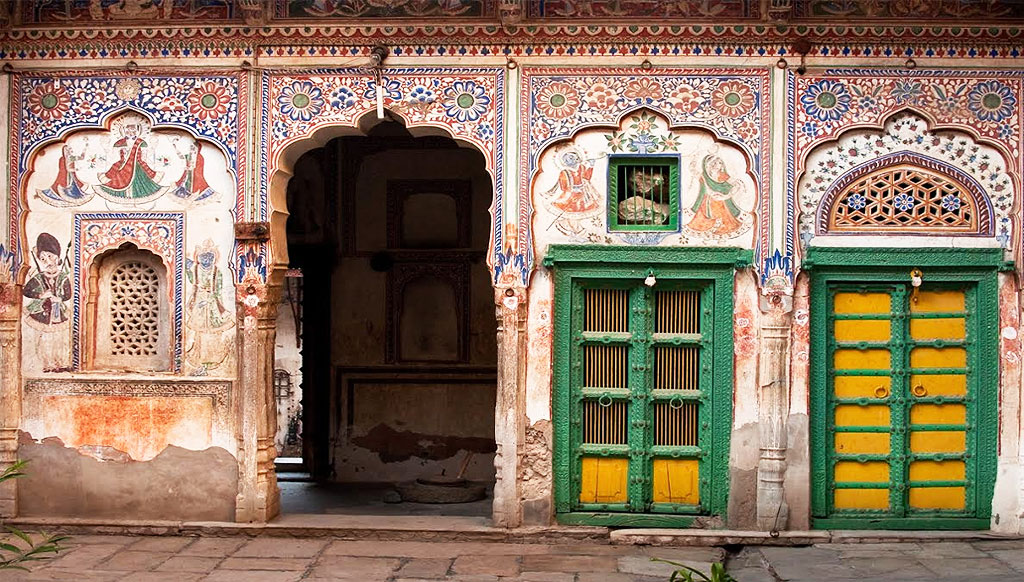
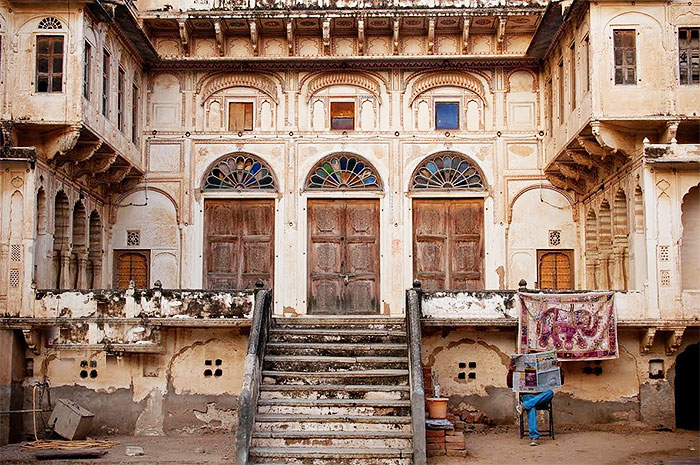
HERITAGE CHARM | Wean your way into time’s womb, deep into the vast Shekhawati, where thrives the heritage town of Mandawa, offering you a window to peep into its picturesque past. Picture courtesy: Sarfaraz Siddiqui, New Delhi
Emerging out of the philosophy of cha-no-yu (the tea ceremony) in fifteenth-century Japan, wabi sabi is an aesthetic that urges one to look for and imbibe the beauty in things imperfect, impermanent, and incomplete.Writer-artist and an exponent of wabi sabi, Andrew Juniper notes that “if an object or expression can bring about, within us, a sense of serene melancholy and a spiritual longing, then that object could be said to be wabi-sabi.”
Filtered through the ever-widening of lens of wabi-sabi, we can see Mandawa as a landscape full of vivid signposts harking back to an age past and of one that is still ‘becoming’.
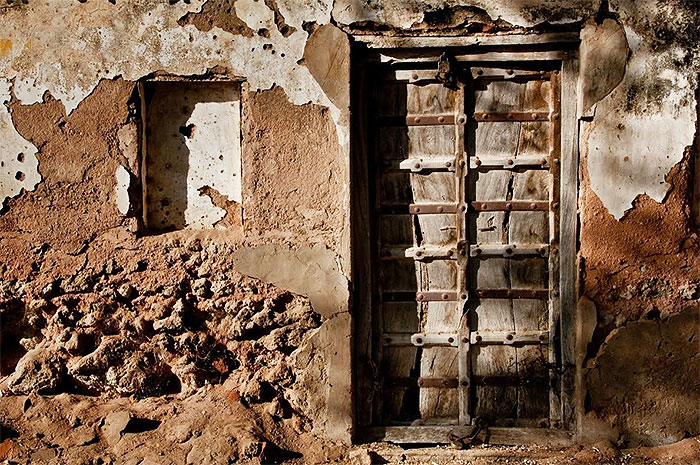
An abandoned doorway to a haveli in Mandawa. Picture courtesy: Sarfaraz Siddiqui, New Delhi
“The tides of time should be able to imprint the passing of the years on an object. It is the changes of texture and colour that provide the space for the imagination to enter and become more involved with the devolution of the piece. Whereas modern design often uses inorganic materials to defy the natural ageing effects of time, wabi sabi embraces them and seeks to use this transformation as an integral part of the whole. This is not limited to the process of decay, but can also be found at the moment of inception, when life is taking its first fragile steps toward becoming.” ― Andrew Juniper writes in Wabi Sabi: The Japanese Art of Impermanence. And this is the very spirit embodied in the hamlet of Mandawa, the highlight of Shekhawati and the must-visit base for an all-Shekhawati junket.
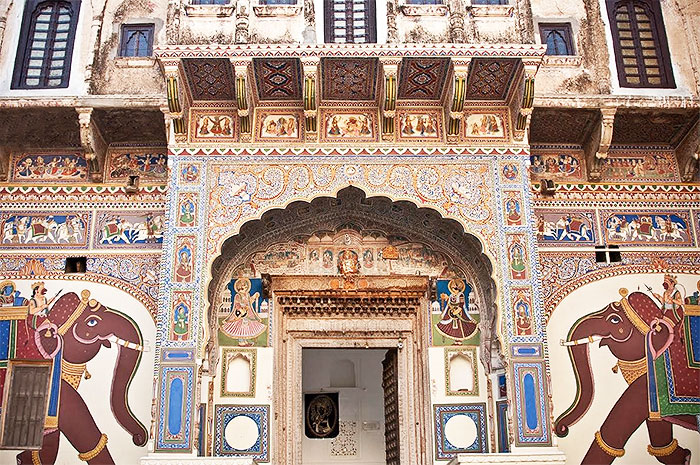
The regal entrance to a Mandawa haveli with its painted arches on the doorway. Pic courtesy: Sarfaraz Siddiqui, New Delhi
Once the trading route to Arabian Sea from northern plains of India, the Shekhawati region houses one of the most profusely abundant concentration of frescos in the world. Situated in the north-east of Rajasthan, the region witnessed blossoming of trade and with that came the merchant communities spending on building ornately decorated family residences (Havelis), as a symbol of their wealth, which also became the embodiment of Shekhawati’s art. These rich merchants commissioned artists (mostly potters) to paint their residence with murals and mirror-work. Later, with migration of the indigenous merchant families (Marwaris), the havelis suffered from abandonment and many of them dimnsihed with age and neglect. Today, the lens has turned back on them as the lushly painted, intricately carved, forts and havelis of Shekhawati, restored to their past glory are major tourist attractions of Rajasthan.
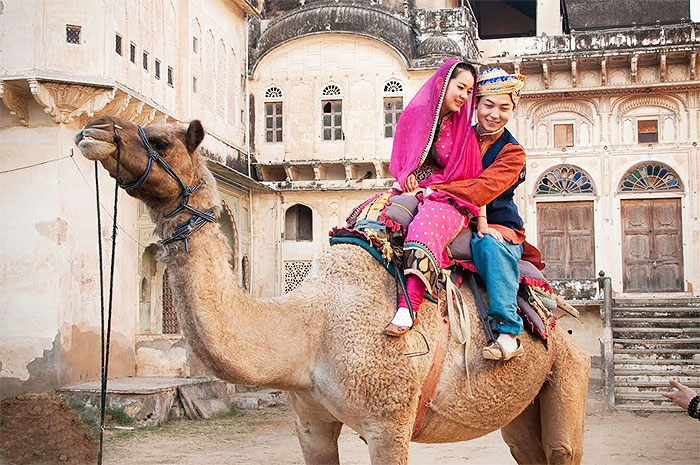
A tourists haven offering history and modernity with its heritage hotels and rustic landscape, Mandawa is a must-visit. Pic courtesy: Sarfaraz Siddiqui, New Delhi
In Shekhawati, frescoes were brought in by Shekhawat Rajputs in their forts and palaces. The region has been recognised as the ‘open art gallery of Rajasthan’ with the kaleidoscopic havelis and imposing fort facades. In these havelis and forts, there are doorways, lintels, brackets, gargoyles, pillars, walls which have frescoes depicting scenes from Hindu mythology, landscapes and sceneries. The walls are studded with exquisite mirror work, but the ceilings are the cynosure for all eyes. In all, the forts and havelis of Manadwa offer a glimpse to this storybook town of a bygone era.
The beautiful wall paintings that decorate the havelis of Mandawa in Rajasthan, India, have seen the themes changing over the years. While mythology dominated the themes of the frescoes in the earlier days, portraying local legends, animals, portraits, hunting and wrestling scenes, etc., the19th century saw scenes reflecting the British (Raj) influence with paintings of cars, trains, balloons, telephones, gramophones, and portraits of English men in hunting gear and immaculately dressed haveli owners.
As time travels, so did the themes of the frescoes adorning the Mandawa havelis and forts, but the richness and the detail remain in place, stark in their age-worn beauty. Pic courtesy: Sarfaraz Siddiqui, New Delhi
Shekhawat Rajputs built forts in all their thikanas. Mandawa Fort was built by Thakur Nawal Singh Bahadur in 1755. It is perhaps the best place to discover the legacy of Shekhawati is from inside the Castle Mandawa, a fortress now converted into a luxurious heritage hotel which, in the manner of many historic homes, is an interesting blend of the old and the new. Medieval turreted towers, palanquin-roofed balconies, co-exist here with modern amenities kitted out in rooms which spell old-world charm. Family portraits, antique cannons and arms add to the charm of this family-run resort where old world hospitality and warmth of tradition still reigns.
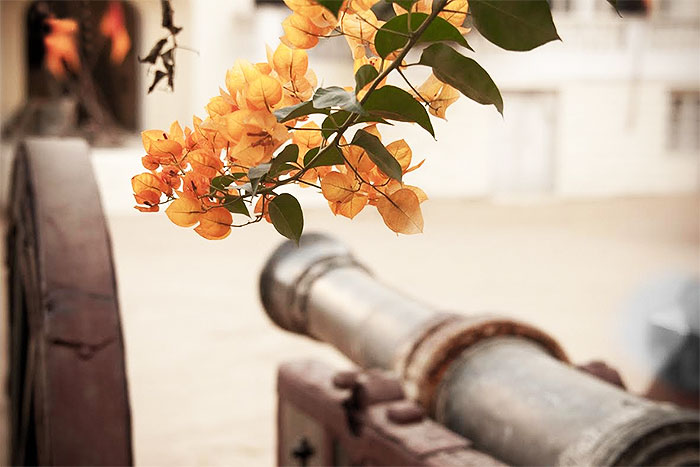
A surviving outpost of Shekhawati heritage and luxury, the cannons in the restored Castle Mandawa fort hotel embody history in passage. Pic courtesy: Sarfaraz Siddiqui, New Delhi
The fort’s zenana (women’s quarters) has various rooms offering different themes. One room has antique murals, another has a marble fountain, while the turret room boasts of walls that are 7 feet (2.1 m) thick. Diwankhana, the formal drawing room, is decorated with family portraits and an array of antique armour, while the colonial verandah accommodates the bar. There are nooks and niches for one to seek out, even as the luxury of traditions handed down continues to surround the traveller whose eyes feast on this rich art-studded panorama, prodded on by the modern day guardians of the past.
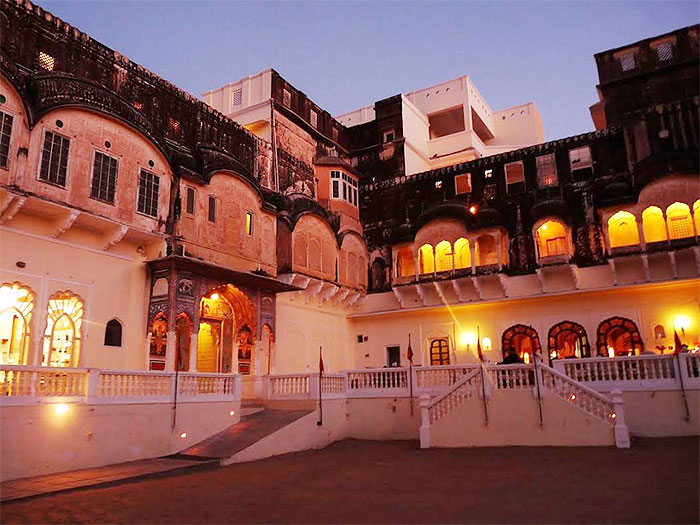
The lighted facade of the Mandawa fort in the evening is imposing in its grandeur, paying homage to the past but encapsulating today’s comforts
Trailing through the pictures above, if you feel tempted to see this desert beauty, to feel its ancient rhythm and bask in its serene moorings, tucked away into the heart of time – so still, yet breathing full – then take off on a Shekhawati sojourn to Mandawa.
Rani Sushma Kumari Singh of Sahaspur Bilari has grown up watching elders wearing chiffon dresses. At present, she loves working with the fabric as she thinks it is perfect for the Indian climate. The flowing light fabric helps display workmanship, she says. Her dress code is florals and pastels for the day, dark colours and louder prints for the night and embroidered chiffon with zardozi, sequins and pearls for a special occasion. She works with silk, gold and silver-based threads. Her most prized possession is a tissue saree handed down by her grandmother.
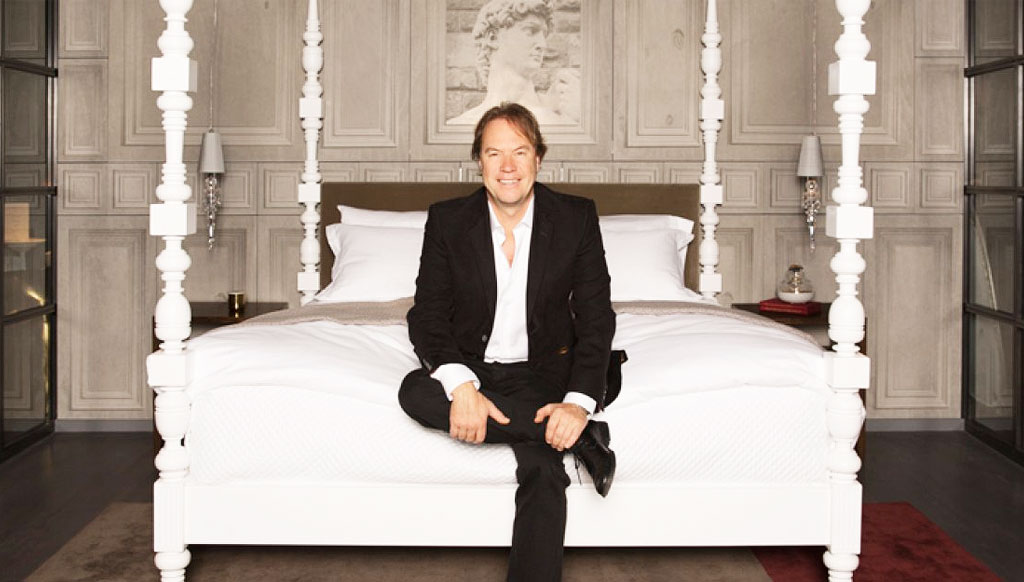
YOO HOMES | For John Hitchcox, a home should be about the people that live in it, it should not be restricted by trends and fads, but transcend this
British billionaire John Hitchcox is one of the most influential property developers in the world with projects in over 26 countries. The chairman of YOO, the property marketing and design firm known for its stunning projects across residential complexes and hotels, has an active interest in India and has tied up with developers such as, Supertech and Lodha to build branded designer homes across the country. Some YOO projects here are Lodha Fiorenza, Lodha Evoq, Lodha Estrella and YOO Pune. Others in the pipeline will be announced soon. Hitchcox is known to work with some of the world’s most prolific designers such as, Philippe Starck, Jade Jagger, Kelly Hoppen, Marcel Wanders and Steve Leung. Recently, he hired Sussanne Khan as creative director. Here, the king of designer real estate talks to The Luxe Café about luxury, design and secrets of choosing the right designer home.
The Luxe Café: What is your target audience? Our target audience profile transcends socioeconomic profiling. We find that the people who buy a YOO home have an interest in design, they make quality a priority and they tend to be original thinkers, not followers. Everyone who buys a home in a YOO development becomes part of what we refer to as the YOO tribe. They belong to a group of like-minded people who invest in design and who want to be part of a larger community of like-minded individuals.
YOO in collaboration with designer Sussanne Khan is launching an exciting project in Mumbai this year
What role will Sussanne play in YOO? What has been your brief to her? Sussanne Khan is our newest Creative Director and will sit alongside Philippe Starck, Jade Jagger, Kelly Hoppen, Marcel Wanders, Steve Leung and our own YOO Studio as part of our talented design pantheon. Developers come to us to access this amazing range of creative talent. We are delighted that Sussanne has joined the YOO family! We can’t wait to see the result of our first collaboration, to be announced later this year.
What are your most prized possessions? My children, my business, my saxophone and my project of passion YOO Energy—a company that works to provide renewable wind energy throughout the United Kingdom.
A five-star YOO inspired by Starck sanctuary in Pune
What is the meaning of luxury for you? Like any entrepreneur, time. Time is the greatest luxury.
You have projects in more than 30 cities. Which are your favourite cities and projects? Why? I’ve been asked this question many times over the last 15 years, and I truly can’t pick a favourite. They all have their amazing qualities and with each new city our horizons broaden. We have 82 projects in 57 cities and 34 countries around the world, so for me the most exciting project is the next one!
In your projects, how do you balance design and content? What’s your success mantra? Our approach to designing homes and hotels that people want to live and dwell in has remained the same for thelast 15 years. We believe in good design and that it has the power to help you live better. We don’t follow trends, wedesign specifically for a local context whilst infusing that with a vast global experience.
YOO’s exquisite retail interiors collection in London’s glamorous and iconic store, Harrods
Families are getting smaller? How is YOO design adapting to that? As an ethos we design with the needs of the project’s location in mind. As such if a specific region requires a hometo serve a family size then we respond to that.
Who are your favourite designers outside YOO? Frank Lloyd Wright was my childhood hero for both interior design and architecture. Today, in terms of design I’m abig fan of Thomas Heatherwick and Richard Rogers is a great architect
What is your strength as a developer? Where do you think most developers go wrong? Developers are like film producers; they pull people, talent and skills together to make projects that enhance our environment. We build environments that will stimulate people’s senses and bring people together. We are passionate about building and improving people lives. This is our approach to development
What is your vision about luxury homes of the future? My vision has always been to build communities and create homes that cater to how people want to live, not only inthat moment but also in the future. A home should be about the people that live in it, it should not be restricted by trends and fads, but transcend this. It should be about you. The individual. The person. The human experience.There needs to be an inherent understanding of the complex human condition: the evolution of emotion combined with the practicalities of the real world.
What should one look for before buying a home? The first question should always be—does it suit my lifestyle and the way I want to live. The home today is anincredibly important thing. To take some of the old words, it’s our nest, our cocoon. We set out from it each day and come back to it each night. It’s where we rest from the day, a place of comfort and security. It has all these qualities that allow us to be able to create, to rest and to quieten our minds therefore it is vital that the home we chose catersto the individual and their lifestyle
FLYING JEWEL | Marques Motor Show 2015 will feature the AeroMobil 3.0, the world’s most advanced flying car prototype
Monaco has a long and passionate tradition for motorsport. The Club Automobile de Monaco, established in 1890, introduced motorsport to the Principality with the Rallye de Monte Carlo, an annual car rally that later inspired the famous Monte Carlo Grand Prix – a time-honoured Formula 1 race that has the world’s motor fans attentively fixed on the French Riviera city.
It is however an altogether different supercar experience in the Principality that will have the attention of car enthusiasts this spring. Although only celebrating its 12th year, the Top Marques Car Show has already established itself as a premier international car exhibition. Indeed, as the official press release proudly declares, “Top Marques is now officially Monaco’s third biggest annual public event and is the only live supercar show in the world”.
“In 2014, 36,000 people attended the show including the Prince of Monaco himself. This year even higher figures
have been projected.”
So what can be expected from this little-known exclusive event? Top Marques is due to begin on the 16th April at the Grimaldi Forum’s 106,000ft2 exhibition hall and if last year’s show is anything to go by, the event organisers can hope for another roaring success this year. In 2014 36,000 people attended the show including the Prince of Monaco himself. This year even higher figures have been projected.
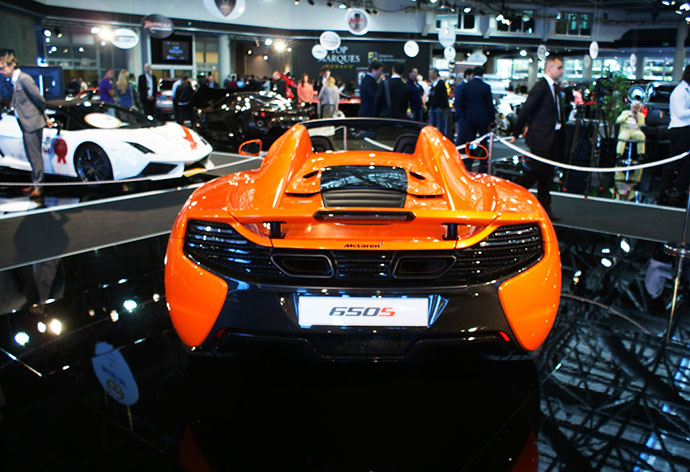
Mclaren 650S to be part of the display at the Motor Show
Visitors to the 2015 show will be rewarded with a record-breaking seven world debuts as announced by the event’s organisers. The usual collection of luxury car brands including the likes of Bentley, Mercedes-Benz, McLaren and Ferrari will also be present, intermittently displayed among the more than 60 other exclusive car exhibits. The year’s particularly remarkable attractions feature the AeroMobil 3.0, the world’s most advanced flying car prototype, a 1,341 horsepower electric supercar and a customised test drive on the famous Formula 1 track for VIP guests.
“Besides automobiles, Top Marques will also exhibit yachts and aviation services to jewellery and art.”
Top Marques will be hosting displays across other venues in the Principality as part of an unprecedented partnership that will see exhibitions in the Fairmont Hotel and the Casino de Monte Carlo. This reflects the range of luxury goods and services besides automobiles that will also be on show from yachts and aviation services to jewellery and art.
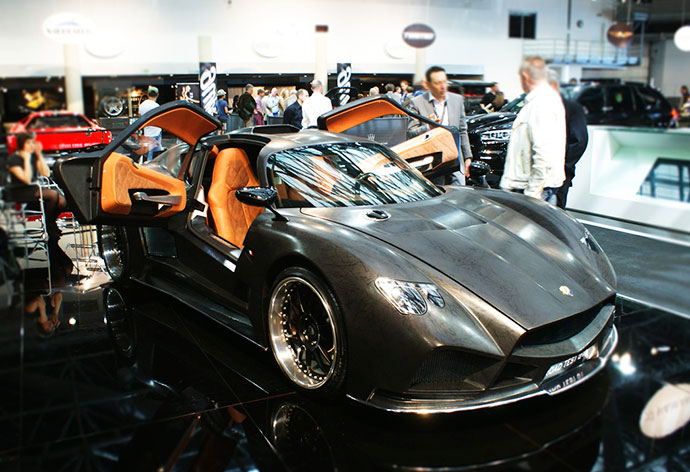
Mazzanti Evantra is also one of the luxury car brands to exhibit at the Top Marques
Steven Saltzman, director of Top Marques, announced: “for our 12th edition we have sought out the best of the best for our visitors from a flying car to a 1,341 horsepower supercar. This exhibition is really about showing a glimpse of tomorrow, today!”
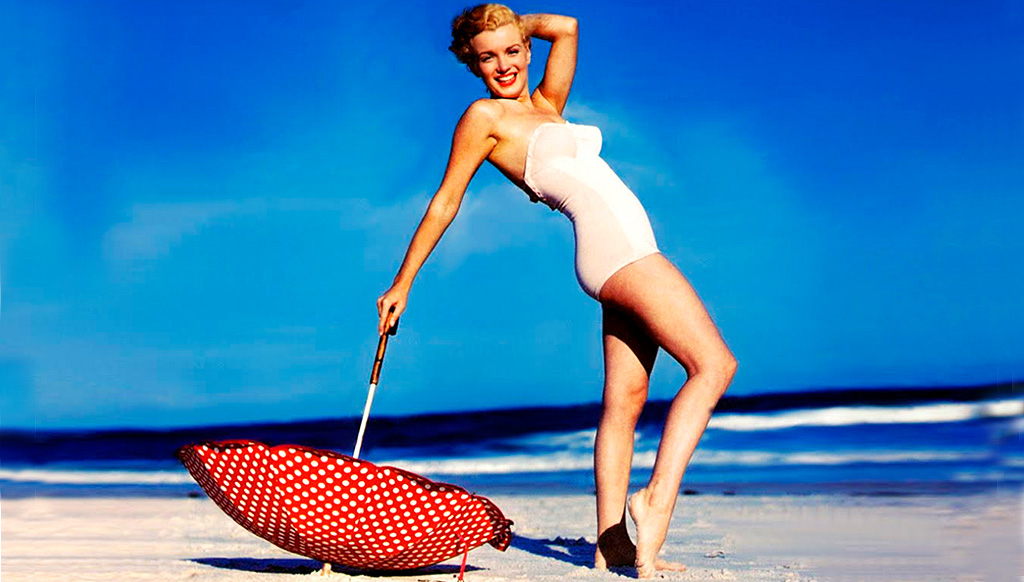
BEAUTY & BROLLY | Gorgeous Marilyn Monroe sporting the beach-perfect umbrella
Come sun or rain, wind or storm, or even a drama-deprived day for the fashionistas, there is but one accessory which can come to the rescue, almost immediately. And, that is the umbrella, or the parasol, or the brolly – choose to call it as you please because it has been around in all those avatars for ages ever since an enterprising Londoner, Mr Jonas Hanway, made this practical extra a popular one. While parasols have found their way in the hands of the beau monde on the Paris streets and into Parisian novels [“She opened her white silk parasols, and ran along the paths” – Nana by Emile Zola], further East, in China and Japan, rice motif-ed oil paper umbrellas were traditionally used as essential wedding items handed to the newly-weds. Hand-crafted oil-paper umbrellas are iconic of Taiwanese ‘Hakka’ craft, often embellished with Chinese-style paintings of birds and flowers
ART ON THE ‘BRELLA | Traditional motifs adorn the handmade oil paper umbrellas
It is a colourful history that the humble umbrella espouses in its form, which is as varied as its purposes. Moving on, modern technology has also added its fair bit with seriously groovy umbrellas which can morph into other items of use, or protect the carrier from not just rain or sun, but also from darkness. So there is designer Sang-Kyun Park’s illuminated umbrella that is powered by rain.Lightdrops, as it is aptly named, is an umbrella made from polyvinylidene fluoride [PDVF], a conductive membrane that powers LEDs with energy from falling rain. The ‘Squidarella’ colour changing umbrella, available from UrbanTrim and co-created by design house SquidLondon, is a foldable beauty, unassuming with a black and white patch pattern when dry. But once the rain hits the panels, the colours burst out, as it way, transforming a wet and grey morning stroll into something artsy and edgy. No wonder that the Squidarellas have been selected for display, both by the Tate Modern in London and the Museum of Modern Art in NYC.
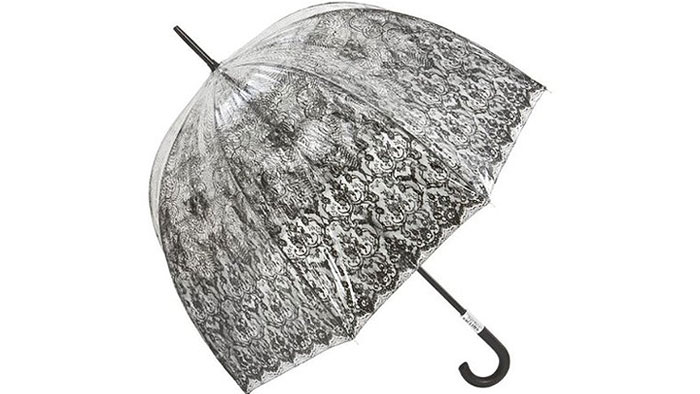
LACE ON BRACE | Trendy dome shaped umbrella with lace motif from Jean Paul Gaultier
But what is quintessential an item of practical use is also, very much, a fashion supplement. And there is no denying that haute couture fashion houses have contributed to further propagation of umbrella art’, as it were. One of the shapes which are toted around for its conspicuous shape, and also for utmost protection from showers without the fear of impeded vision is the bell shaped umbrella with a high roof related to traditional craftsmanship. There is no disputing the diva quotient of the dome-shaped transparent lace-print umbrella which is feted Frenchdesigner, Jean Paul Gaultier‘screation and spells a charming web of lace around you. While the canopy for this one is made of 100% polyester and is tougher, there are those who would prefer some nobler materials for a jaunt in the sun. And here we suggest looking at the impressive range from the Italian house of Il Marchesato, famous for their handmade luxury umbrellas fitted with fibre glass ribs, gilded parts and excellent fabric for the canopy. There is a pure satinbell-shaped umbrella with a single black canopy and a ruffled edge, on which Swarovski crystals are sewn on by hand. Its sturdy wooden black shaft has a handle finished with a 5 cm Swarovski crystal.
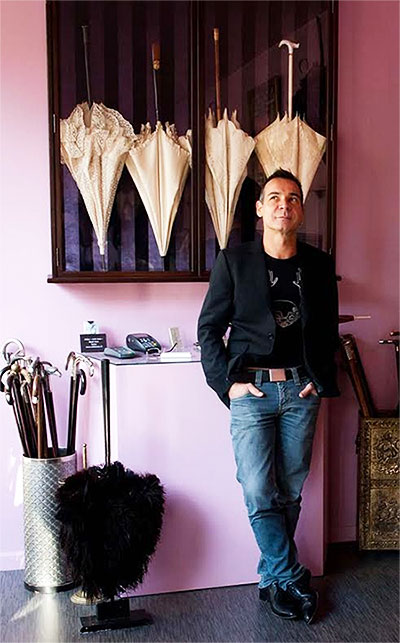
PARISIENNE CHIC | Master maker Michel Hertault in his atelier at the famous ParasolerieHertault
On a scout for more statement umbrellas to hold onto with pride, brings us to the parasol. While the word “parasol” (Spanish or French) is a combination of para, meaning to stop or to shield, and sol, meaning sun, the difference between a parasol and umbrella, as it were, is that the former is more used against the sun while the latter shields you from rain. Today, larger parasols are often used as fixed or semi-fixed devices attached with patio tablesor as points of shade on the beach. But the shape of the parasol, as seen in nineteenth century France, or on Eliza Doolittle in My Fair Lady puts the parasol bang in the middle of a fashion restoration story as unfolding in the ParasolerieHertault, near the Bastille in Paris, where Michel Heurtault is the umbrella doctor, or rather the master craftsman who works with rare tools,elaborate techniques, sumptuous fabrics and precious materials in his bijou atelier to produce haute couture and handy umbrellas and parasols. As he refurbishes antique umbrellas and creates custom pieces with jade, gold, treated silk, taffeta, lace, organza and such, he is also your go-to man for made-to-measure wedding parasols, be it in cream silk trimmed with Chantilly lace, or one in embroidered silk complimenting your dress.His parasols are weather-proof heirlooms to be handed down the generations, even as his creations are commissioned by famous royalty, designers and the fashion connoisseurs of the world.
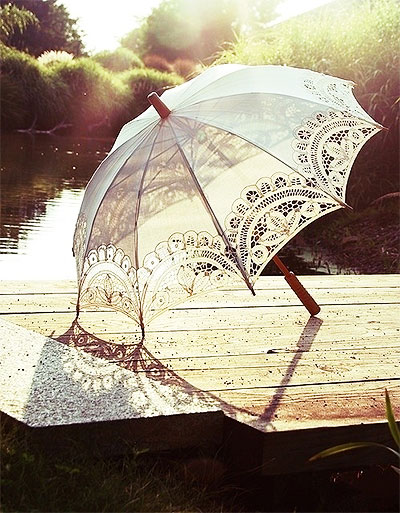
FOR SUNNIER CLIMES | Elegant white umbrella with vintage Battenburg lace for a day out
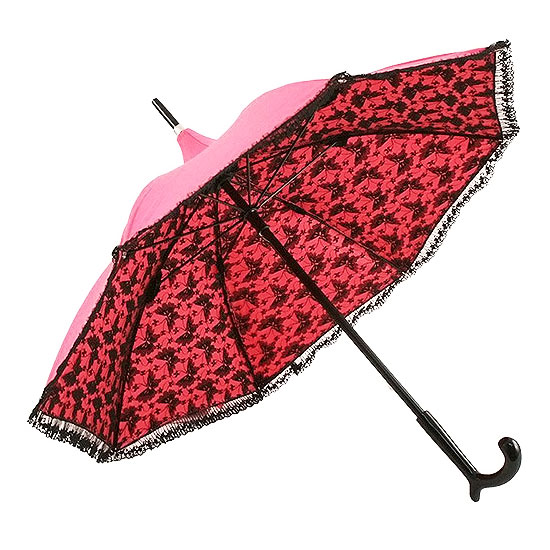
If something more Italian is what you desire, then the name is Pasotti, a family-run Italian luxury brand dating back half a century earlier, dedicated to handmade bespoke umbrellas and parasols. There is no denying the innate grace of a Pasotti parasol which spells Victorian chic with a beige canopy coming alive with thick black lace edging. Going along the feminine chic route, there is Chantal Thomass,internationally renowned for her glam lingerie collections, with an enviable collection of personal accessories flaunting sensuous details like on her lingerie. Combining traditional skills with avantgarde design, these decadent parasols and umbrellas are hand crafted to make them every fashionistas ’dream. With a sun protection factor of 50+, the parasols come in for rescue even when it rains as they are waterproof too. One can choose from among the interesting shapes with intricate details such as the papilion lace pagoda parasol with its peaked dome in a bright cerise pink, with a rich black butterfly lace lining and a gathered black lace edging to the outer canopy. Or a drape parasol with the top canopy lifted and tied into a sumptuous bow, revealing its contrasting underskirt in stripes, also from Chantal Thomass which makes for a French-inspired perfect day-to-evening accompaniment.
PEEK – A – BOO | Pink and black pagoda shaped parasol by Chantal Thomass for an evening out
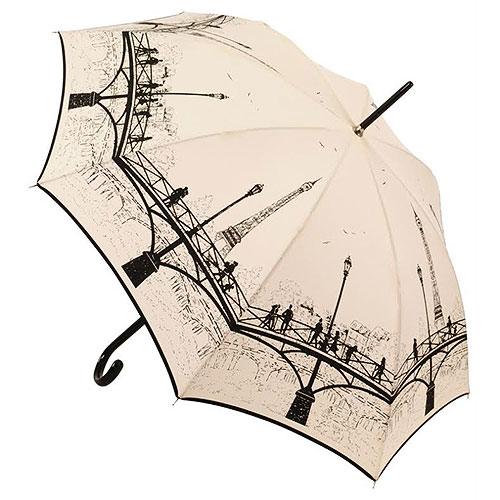
Back to the umbrellas, and we are spoilt for choice again with the walking length umbrellas which add a bit of old world androgyny to the look. While there is a bag to hold onto, an umbrella on the nook of arm might just make you look more ready in style for the world and the weather alike. A classic long handled umbrella with a spacious canopy is a good idea, and to add that dash of inimitable cool, there is one with arty black and white line drawings of a Parisienne scene -the pedestrian bridge, Ponts des arts, the Eiffel tower and typical Paris street lamps – on cream fabric. Should this sound luscious to you then you can look up the Les Ponts de Paris Umbrella by Guy de Jean, exclusively designed and made in France.
STARK BEAUTY | A Guy de Jean creation with line drawings of Paris city-line for all seasons
Whether considering long handled umbrellas or the foldable ones, you can also look at the ones with a double canopy as it is so much nicer to have a stunning inside view all to yourself! The double canopy umbrellas have the ribs covered with a printed inside and it helps as your scarf or hair won’t get caught in it. There is one which is a stand-out, an all gold one from Fornasetti, the multi-faceted artist who has been feted as the ‘Oscar of Fashion’. The outer canopy of this beauty is made of golden lurex fabric and sports a shiny border. The inside of the canopy depicts the mysterious image of a woman in eight different variations – a typical Fornasetti motif. This handemade-in-Europe umbrella comes with frame and handle also in gold which can be sheathed in the black fabric case and carried around the shoulder.
GOLD IS GOOD | Lush gold Fornasetti double canopy walking umbrella to ring it in with bling
If going super mini for maximum economy of space, but with an edgy shape, is what you desire then the Sprout Umbrella by designer Matthew Swinton is for you. Surprisingly compact, the canopy and all the hardware can beencased in the handle of the umbrellas when closed. A knob on its face turns to unlock the inner mechanism leading to your ‘sprouted’ canopy protecting you. In all, it is an experience to be around this design innovation, whether flaunting it when out or just marvelling at it indoors.
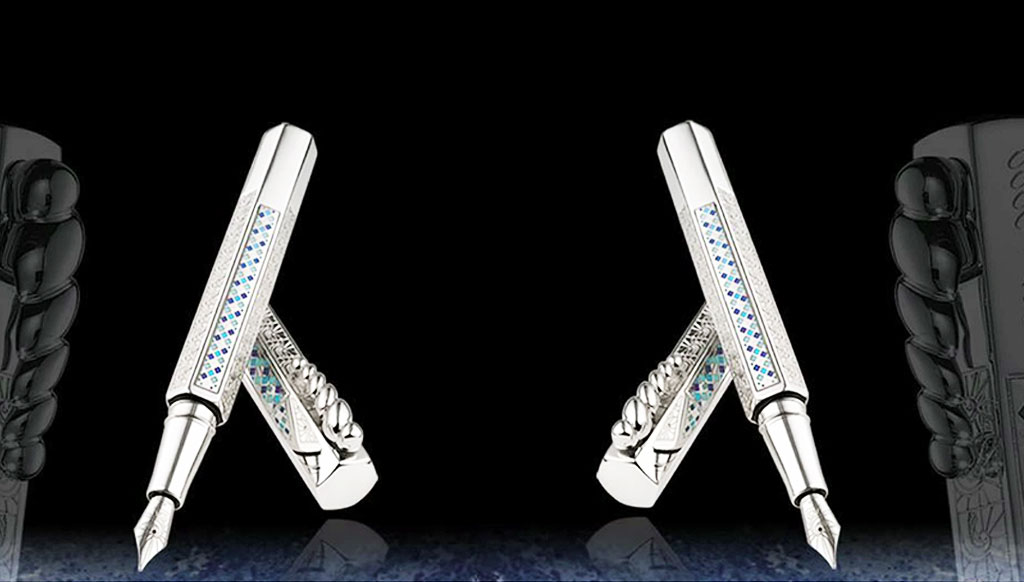
Pen is mightier than sword but what if the instrument is also a thing of beauty that’s joy forever. You can carry them as a fashion accessory that makes you stand apart, and not just because of your writing skills. The Luxe Cafe talks about a few of them. On the top of the list is $730,000 Mont Blanc Mystery Masterpiece limited edition. Nest is La Modernista Diamonds, which costs $275,000, and is homage by Caran d’Ache to the famous Modernist architect Antonio Gaudi. Then there are those which are cheaper in comparison. For the Omas Phoenix Platinum Fountain Pen luxury limited edition with diamonds, you will have to write a cheque of $60,000. Visconti The Forbidden City H.R.H. Foundation pen will leave your wallet lighter by $50,500, Haia High Luxury Omas Fountain Pen costs $43,000 and the cheapest of the lot is the $24,000 hand-made and customised Grayson Tighe Limited Edition Fountain Pen.
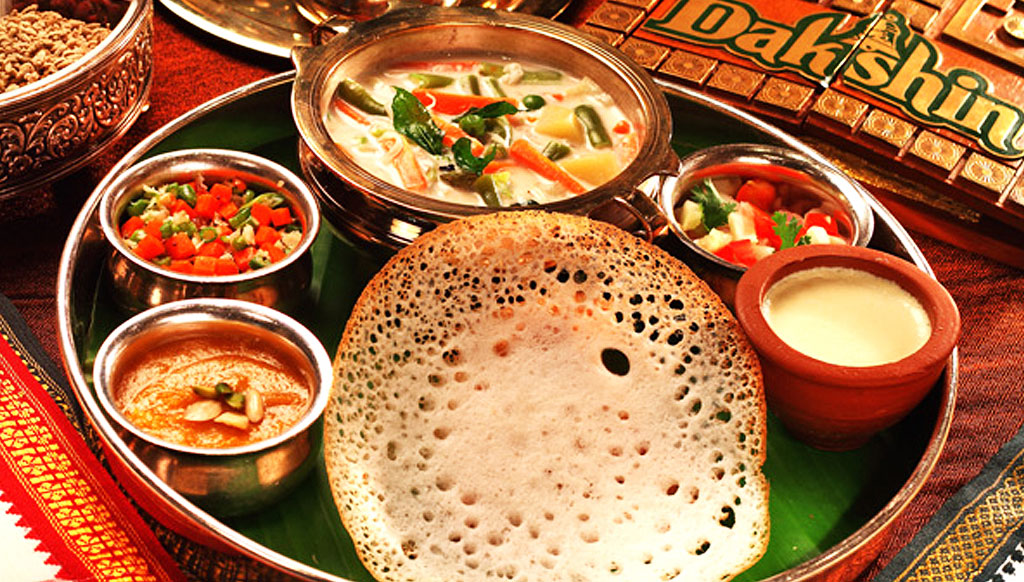
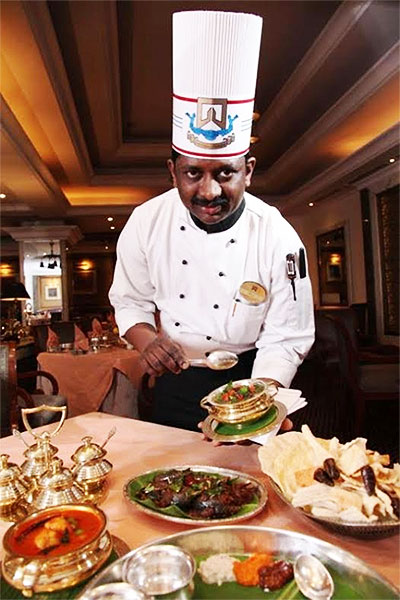
SOUTHERN SPICE | Combining the magic of Malabar cuisine and luxury fine dining, Dakshin is undoubtedly the best place for South Indian cuisine
In career spanning a little over two decades, ITC Dakshin’s star chef Velu Murugan has successfully combined the magic of Malabar cuisine and luxury fine dining. In doing so, he has garnered loyal followers from across the world. The exotic fish curries and splendid filter coffee made by this resident from God’s own country provide a divine experience. In conversation with The Luxe Café on the art of food is the man himself:
The Luxe Café:We all know you come from Mudaliar community which is very popular for its cuisine, how does your Mudaliar background influence your dishes?
Mudaliar cuisine is a culinary tradition developed by an essentially vegetarian community which started out as pioneering agriculturists during the time of the early Cholas. The constant urge for discovery is a part of my DNA. I feel that despite our success or stature it is pertinent that we stay connected with the roots. This motivated me to go to Servarayan Hills back in April. This place in Tamil Nadu is known for its old coffee estates and orchidarium run by the Botanical Survey of India. The challenge was to discover new ingredients, such as wild mushrooms and root vegetables, to add variety to the existing Mudaliar cuisine at Dakshin.
Chef Velu at work
Can you tell us about the revolution that has taken place in South Indian cuisine over the last few years? What are the new delicacies that are becoming a great hit and getting served in South Indian cuisine?
With increase in exposure due to frequent travelling, people are now keen to explore nuances of cuisines. With the popularity and access of social media, everyone is eager to share a novel experience of fine dining with friends and family and learning about a cuisine. The food of sub-communities of south India such as Nadar, Udipi, Syrian Christians are a great hit. We highlight specialties of a particular region. There are certain dishes which are not readily available in Delhi. For instance, Coorg and Pondicherry cuisine.
“The food of sub-communities of south India such as Nadar, Udipi, Syrian Christians are a great hit.”
As a child, what was your fondest food memory?
The love for cooking, primarily fish curry, prevailed in the family. I really enjoyed eating as well as learning about various types of fish curries. Before long, I found myself becoming passionate about cooking itself.
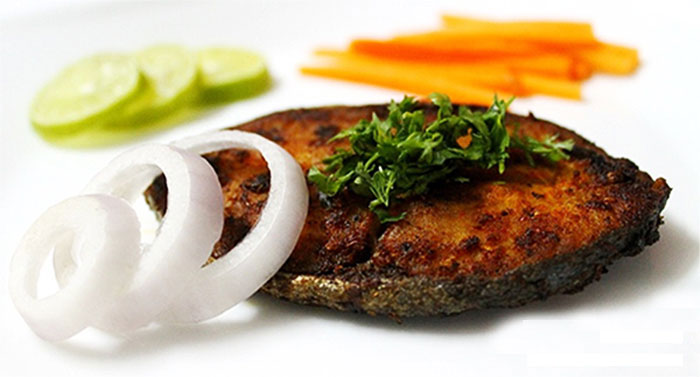
Masala fish fry served at ITC Dakshin, New Delhi
What’s your basic funda behind the art of cooking?
Cooking has to come from the heart. You should always try and wow the guest. Dakshin master chefs believe in in-depth research. We take pride in showcasing food of sub-communities of South India. This gets an overwhelming response from the guests/people.
While cooking, what are the five ingredients that you always keep handy?
Oh, that’s an easy one. Star anise, ginger, garlic, clove and pepper.
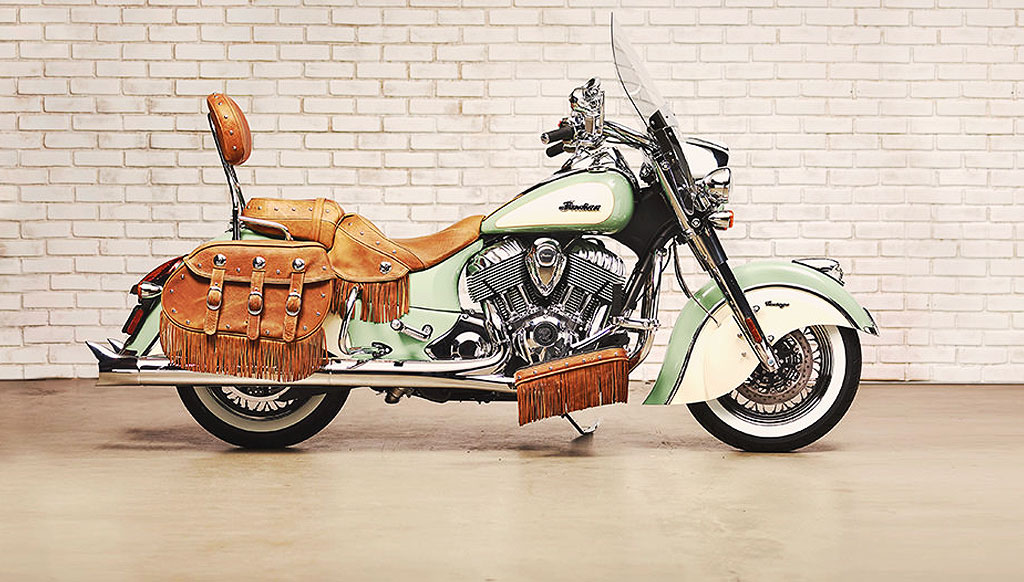
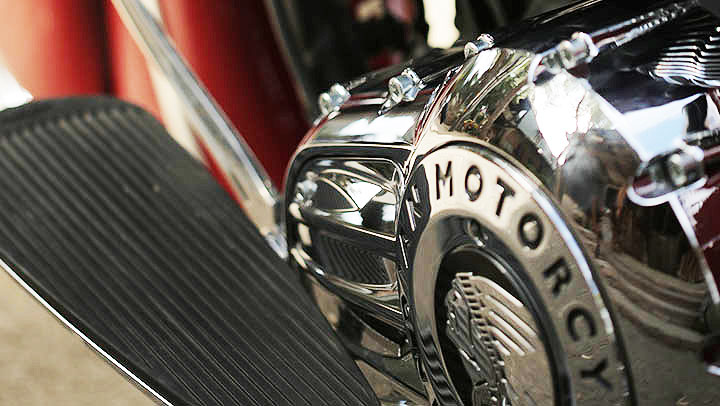
ICONIC BEAUTY | After riding it for a few hundred kilometres, one starts to appreciate the level of workmanship that has gone into making it one of the most desirable motorcycles in the world
Long before Americans even dreamt of anything on two wheels, buffaloes roamed free and kicked up dust storms in the Great Plains and Native American Indian chiefs were fearless, wise and noble men. Thankfully, their namesakes in 2015 are a similar lot.
Here’s why: On a cold January morning, somewhere near the city of Agra, an Indian Chief Vintage motorcycle stood among a bunch of bikes from another iconic American brand. It looked quite easily the most grown up of the lot, while its chunky companions seemed they could do with a shave.
The Indian makes one feel sober and polite, quite unlike what other heavyweight motorcycle brands try hard to elicit from their fans
The man riding the Indian Chief had met the group of riders on his way to Delhi. Over hot glasses of tawny tea, they discussed jammed carburettors and bad fuel. Suddenly, another man with a toddler on his shoulders, came up to them. “Can I make my son sit on the bike and take a snap?” he said.
All except the Indian Vintage Chief owner ignored him. “Go ahead. Put him there,” he said and pointed to the distressed leather seat on his bike.
Its deep-throated rumble is among the best exhaust notes one can hear from a motorcycle
Somehow, an Indian does that to people; it makes one feel sober and polite, quite unlike what other heavyweight motorcycle brands try hard to elicit from their fans. Despite being a large and impressive bike powered by the Thunder Stroke 111 V-Twin, whose deep-throated rumble is among the best exhaust notes one can hear from a motorcycle, the Indian Chief Vintage doesn’t make one want to walk into a bar that plays metal or hard rock. Its period correct styling and impeccable demeanour is tailor-made for a mellow evening by a crackling campfire, with perhaps only Johnny Cash for company on the Bose Soundlink.
“The Indian Chief Vintage is the most beautiful motorcycle I have seen in my life,” says Sonia Kapoor, a 34-year-old Delhi-based business woman, who doesn’t care about motorcycles and drives a Range Rover to work. “I have seen so many of them but this one here looks suave and sassy…hmm…like Colin Firth perhaps. I wouldn’t mind being seen on this,” she said.
But, it wasn’t always like this for the iconic American motorcycle brand that started producing motorcycles in 1901. Subsequently, it became the largest selling motorcycle maker in 1910, took the first three places in the Isle of Man Tourist Trophy in 1911, before finally going kaput in 1953.
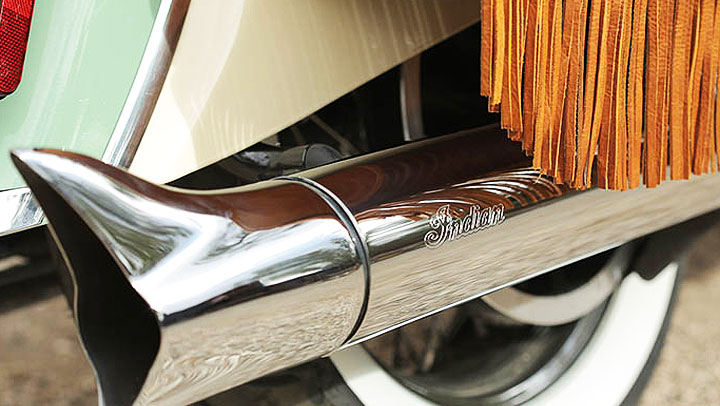
The American Motorcycle brand has finely etched ‘Indian’ lettering on the chrome exhaust pipes and the beautiful valanced fenders to the taut handling
The brand suffered while it changed hands over the years and rivals such as, Harley-Davidson raked in millions of dollars in profits. But in 2011, after off-road vehicle maker Polaris acquired it, the bike maker got a shot at resurgence. And boy, what a comeback it has been. The company has put out six modern motorcycles with its signature traditional styling, including the delightful 1,100-cc Scout that a certain Kiwi by the name of Burt Munro rode to fame on the Bonneville Salt Flats in 1967.
“It’s wise to know that the machine you sit on does not tell the world exactly where you stand; it’s where you stand that tells the world more about the machine you sit on”
Coming back to the highly accomplished Vintage, after riding it for a few hundred kilometres, one starts to appreciate the level of workmanship that has gone into making it one of the most desirable motorcycles in the world. It’s not the striking quick-release leather saddle bags or the matching two-up seat and the quick-release windshield. From the finely etched ‘Indian’ lettering on the chrome exhaust pipes and the beautiful valanced fenders to the taut handling and rock solid performance through the entire rev range, the Chief proves why it does not need to shout to garner attention.
And even if one wants to rip it through traffic jams like the ones found during peak hours in Agra, the only reactions the Chief provokes are those of admiration and respect, not envy—because sometimes, it’s wise to know that the machine you sit on does not tell the world exactly where you stand; it’s where you stand that tells the world more about the machine you sit on.