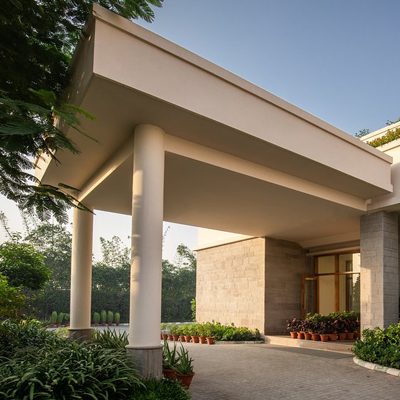
The new status symbol in travel may simply be silence. Luxury boutique retreats across the world are now promoting highly personalised, low-intervention experiences designed to help guests slow down, disconnect and simply be.
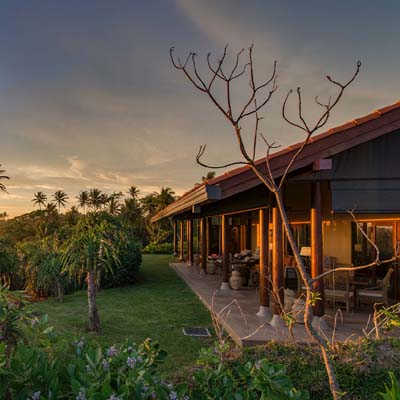
A growing number of discerning travellers are seeking holidays built around stillness rather than stimulation — a trend now being described as hushpitality, a portmanteau of ‘hush’ and hospitality. Think mornings illuminated by soft light filtering through cedar-framed windows, unhurried breakfasts on verandahs overlooking forested hills, and afternoons spent learning pottery, tasting tea, feeding farm animals or picnicking in secluded landscapes. The emphasis is no longer on doing more, but on feeling more.
The rise of meaningful escapes:
As global wealth expands and luxury hospitality becomes increasingly sophisticated, travellers are becoming more intentional about where, and why they travel. Properties such as Six Senses Svart in Norway and Shinta Mani Mustang in Nepal, where nightly rates can easily exceed $1,500, are attracting guests not merely for opulence, but for the promise of immersion, privacy and restoration.
According to Agoda’s 2026 Travel Outlook report, relaxation emerged as the primary motivation for travel among 67 per cent of Indian respondents, with many seeking holidays that allow them to disconnect from the pace of urban life. “The fact that silence now needs a trend name tells you everything about where hospitality lost the plot,” remarks Richa Navelkar, Co-founder and Creative Director of Wildflower Villas Goa. “For me, ‘hushpitality’ is the deliberate stripping away of stimulation, the low-stimulus escape, the room designed for actual rest. It is an old idea that the industry temporarily forgot in its enthusiasm for programming every waking hour of a guest’s stay.”
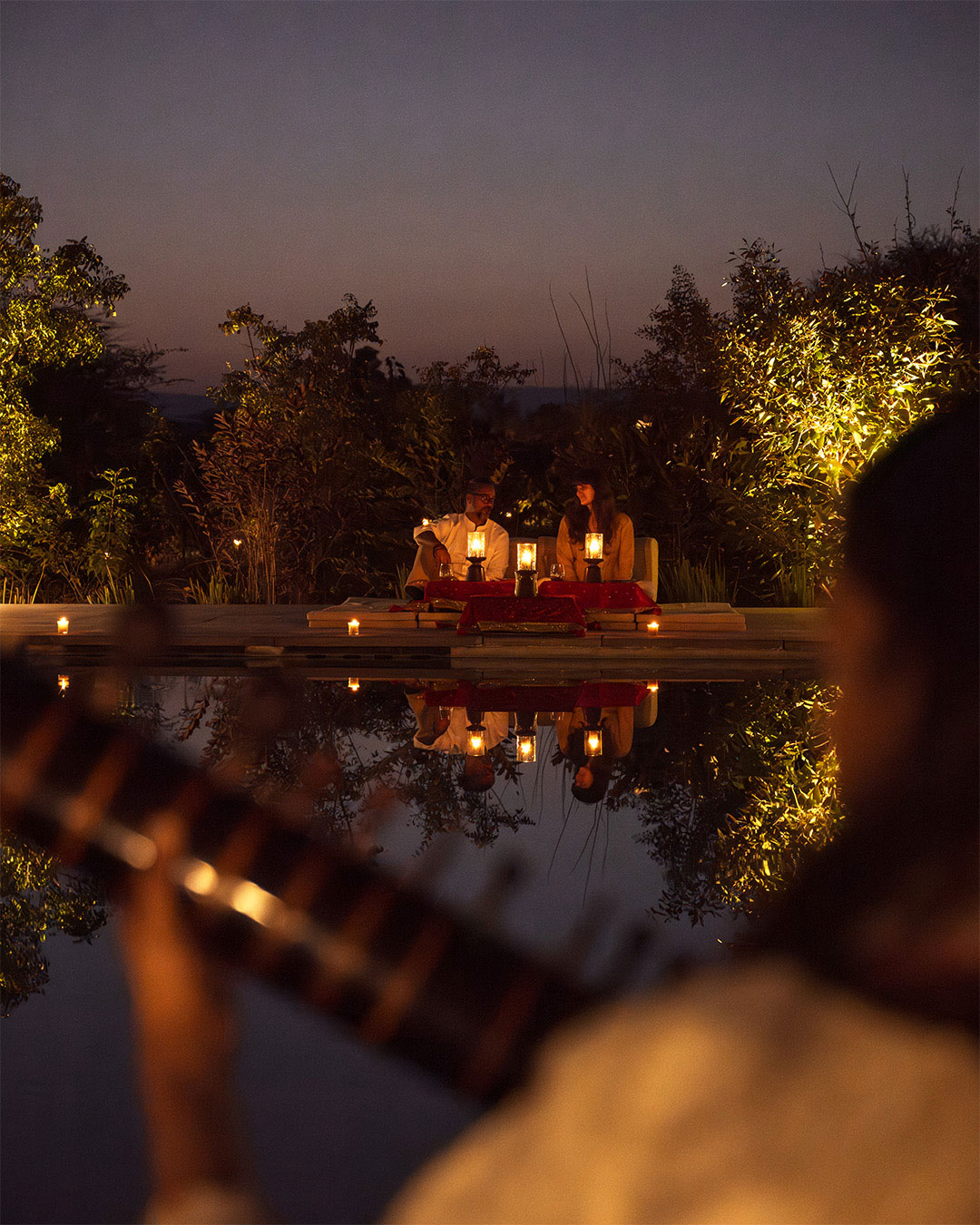
Industry insiders believe this evolution will define the next chapter of luxury hospitality. Anand Shekhawat, Founder and Creator of Sariska Lodge, says, “In the ocean of hospitality brands, there are very few that are keeping pace with changing trends. However, those with vision and an eye for the evolving needs of the discerning traveller will write the next chapter in hospitality.”
“An evolved traveller is purpose-driven and cherishes exclusivity. As hospitality evolves, rarer destinations such as islands, forests and high-altitude landscapes are becoming more desirable than conventional destinations. Timeless design gives properties an edge, allowing them to remain meaningful over time and helping travellers make informed decisions,” he adds.
Design that invites you to slow down:
As travellers move away from overt displays of luxury, design itself is being reimagined. Design-led hospitality today is less about aesthetics alone and more about crafting a sense of place. Architecture, landscape, light and local craftsmanship are expected to work together to foster calm, intimacy and connection.
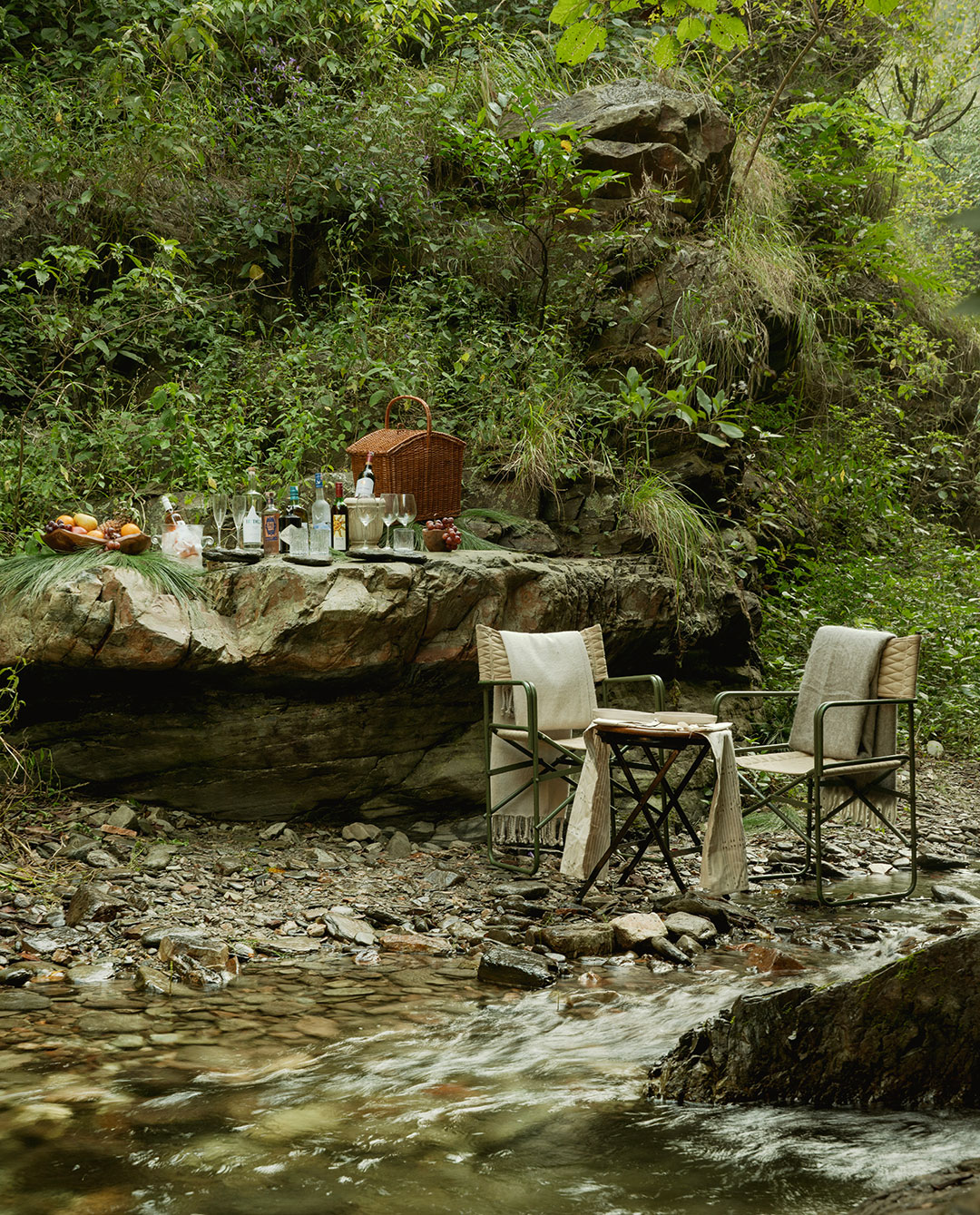
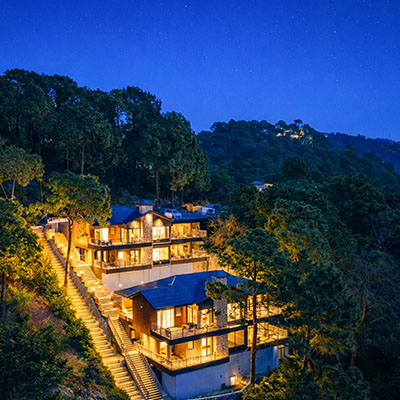
Nakul Sen, Founder & Creative Director of The Sen, believes this shift reflects a broader redefinition of luxury. Sen adds, “I think what people are calling ‘hushpitality’ today is really a reflection of a broader shift in how we define luxury. I believe discerning travellers today are drawn to boutique properties because they offer a sense of individuality, personalised service and thoughtful intention. The Sen was conceived as a private sanctuary for the senses, where the landscape, architecture and experiences encourage guests to engage with nature. I believe the future of luxury tourism will be shaped by destinations that prioritise authenticity, privacy, thoughtful design and emotional connection. For instance, our property’s architecture and setting are in harmony with the natural contours of the hillside. Further completing the design are indigenous flora and fauna, forest views, and movement of light throughout the day.”
“The traveller seeking quiet is increasingly seeking consequence—a place that leaves a mark. This is why luxury is converging with cultural depth, undisturbed nature and properties that exist in harmony with their land rather than being imposed upon it.” — Richa Navelkar, Co-founder and Creative Director, Wildflower Villas Goa
Beyond beautiful spaces:
Yet good design alone is no longer enough. The appeal lies not merely in beautiful interiors, but in places that possess a distinct identity — properties that exist in conversation with their landscape , culture and history rather than standing apart from them. “The traveller who is seeking quiet is also, increasingly, seeking consequence, a place that asks something of them, that leaves a mark,” says Navelkar. As she adds, “That’s why you see it converging with a hunger for cultural depth, for nature that is genuinely undisturbed, for properties that exist in relationship with their land rather than imposed upon it.”
For Navelkar, Goa itself offers an instructive example, “The silence here has always existed, it just required you to leave the beach to find it. At Wildflower, we sit on eight acres of forest that our family has preserved for two hundred years. The loudest thing at dawn is birdsong. We didn’t engineer that. We simply didn’t destroy it. The guests who come now are not a niche, they are increasingly the travellers who will define the next decade of travel. The appetite is real and travellers are more sophisticated than they’ve ever been. They can tell craft from prop; they notice when a space has been genuinely thought through.” Perhaps, that’s the essence of quiet hospitality that any grandeur or spectacle in the world can’t replicate.