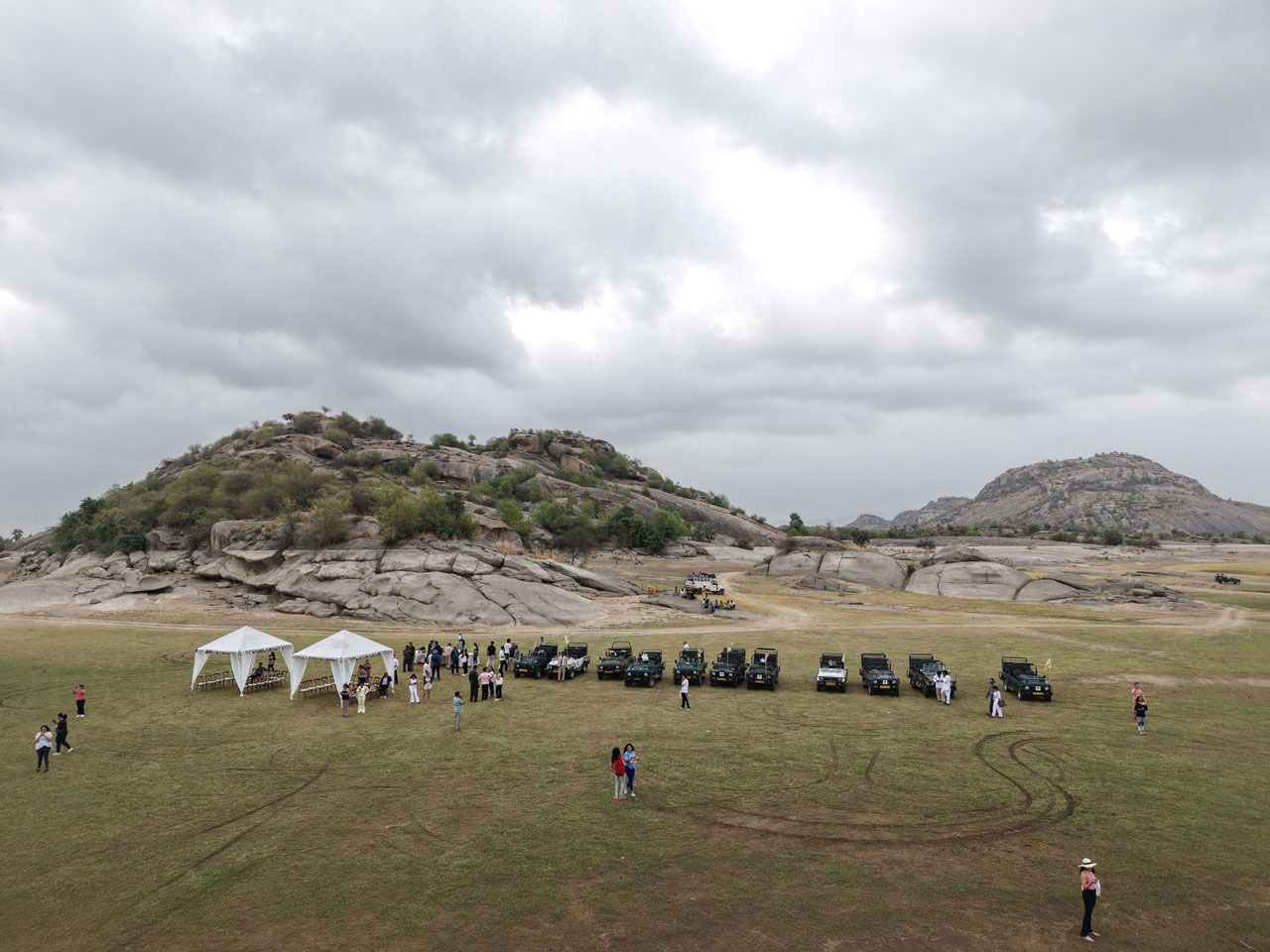
For nature lovers, there is no better way to understand Jawai than by moving through it slowly or, for the more adventurous, at a run. At the recently held ‘Come Alive in Jawai’ initiative, Rajasthan Tourism and the Pali administration unveiled the trophy for the Jungle Trail Marathon 2027, scheduled for January next year. Spearheaded by endurance runner Surpreet Singh Khalsa, popularly known as Suri, who has participated in more than 100 races and marathons, the initiative is part of a larger effort to put Jawai firmly on India’s tourism map as a destination where wildlife, wellness, culture and responsible luxury converge.
Raw, rugged:
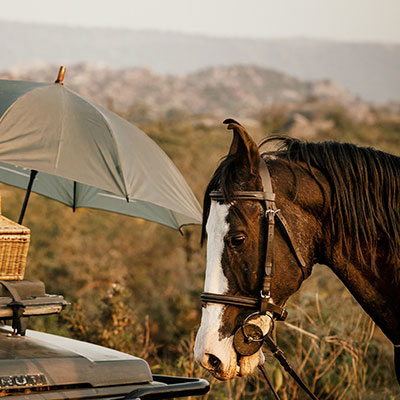
Often called the “Masai Mara of India”, Jawai is unlike a conventional wildlife reserve. There are no obvious boundaries separating wilderness from everyday life. Granite hills rise dramatically from rugged terrains, temples nestle among boulders, shepherds move with their herds and leopards disappear into the landscape. For travellers, the leopard remains the irresistible starting point. A safari here is less about entering a forest and more about reading a landscape. A jeep winds between enormous granite formations while every pair of eyes scans the rocks. Jawai is known for its unusually high leopard density and its remarkable human-wildlife coexistence. The big cats share their habitat with the Rabari pastoral community, who lived here for generations. Unlike the manufactured spectacle of some wildlife destinations, this relationship is woven into daily life. The Rabaris regard leopards as guardians of their deities, and the animals are known for their largely non-aggressive behaviour towards people and livestock.
Beyond the safari tracks:
At Jawai Bandh, the granite landscape gives way to water and a spectacular birding habitat. More than 150 species of resident and migratory birds can be seen across the region, including flamingos, pelicans, cranes, painted storks and eagles. Between October and March, the skies can become particularly animated with migratory visitors. Along the banks, crocodiles lie almost motionless in the sun before slipping silently into the water. For photographers, it is an extraordinary frame with ancient boulders, still water, birds in flight and a crocodile basking at the edge. But Jawai rewards those who stop looking for the next sighting.
Wellness in the wild:
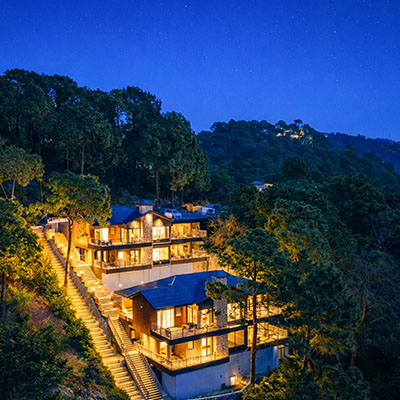
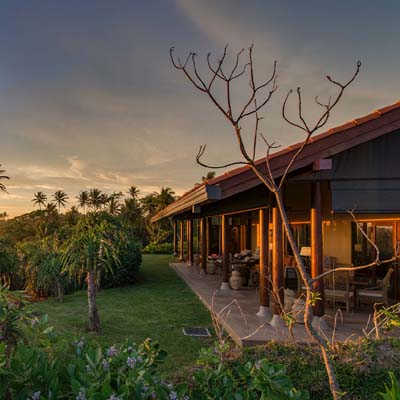
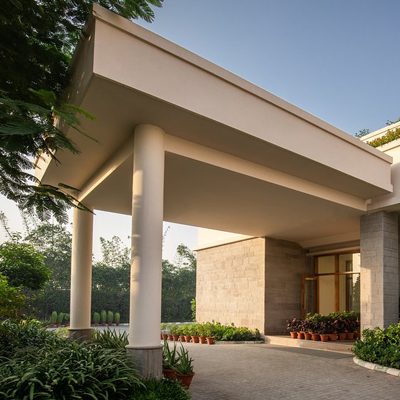
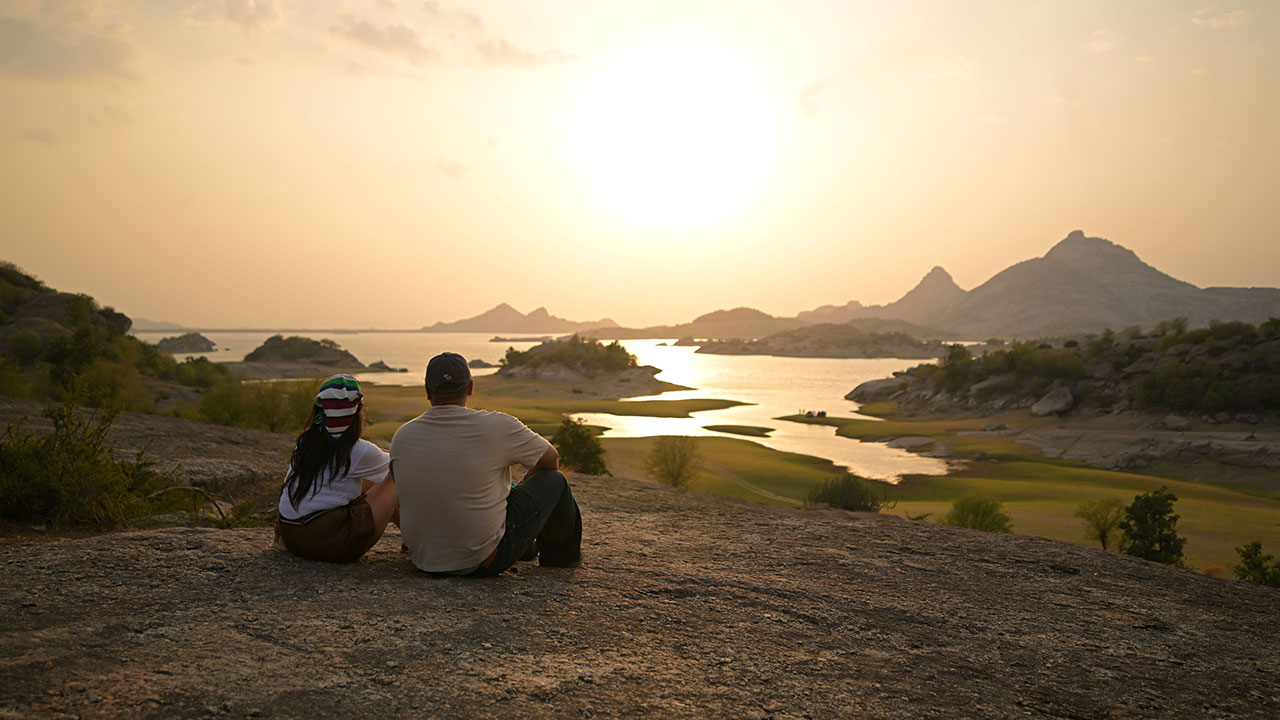
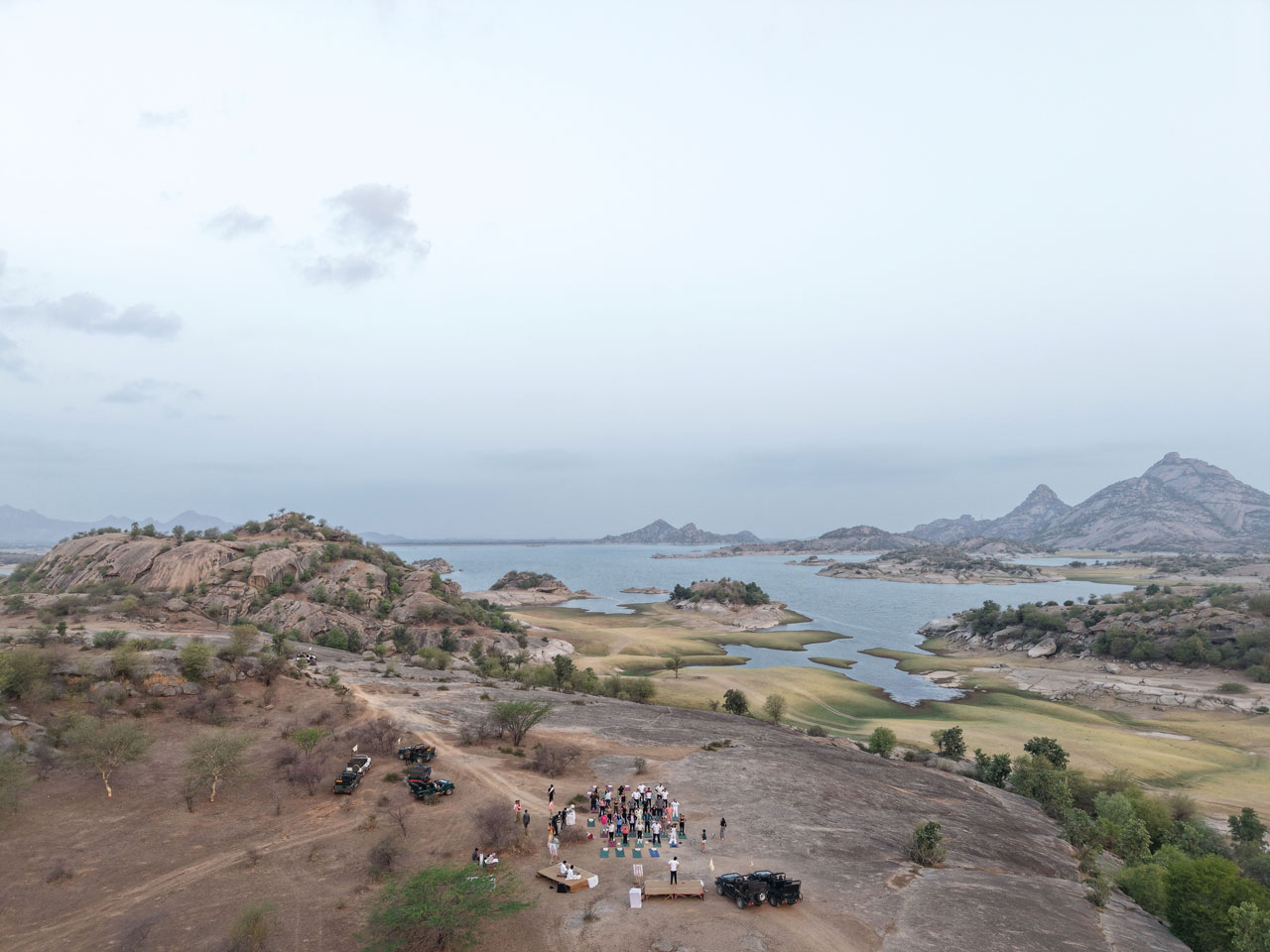
At sunrise, the hills turn soft and golden, while the sunsets at Jawai Bandh reflect shades of amber, rose and red. The near absence of light pollution makes night-time another experience altogether, making Jawai particularly compelling for stargazing and astrophotography. This spirit of stillness was central to Come Alive in Jawai, organised around the International Day of Yoga. At 5.30am, guests gathered atop the hills for a sunrise yoga session overlooking the granite formations and tranquil lake. Accompanied by live flute and santoor, the experience offered a reminder that wellness in the wilderness means simply being still enough to hear the landscape. The initiative, led by Rajasthan Tourism and the Pali administration in association with Araamgah Resort & Spa, was designed to showcase Jawai beyond its celebrated leopard safaris. The two-day experience included a folk evening featuring artists from Jawai village, safari encounters, local food and conversations around sustainability and hospitality. Araamgah Resort & Spa, a member of Radisson Individuals Retreats, provides a quieter counterpoint to the wild landscape. Its interiors draw on regional craftsmanship, from terrazzo flooring and lime-finished surfaces to brass lotas and traditional bathing stools. Even its downward-facing outdoor lighting is designed to preserve views of the night sky.
The Rabari connection remains central to the experience. Village visits, local music, food and conversations offer travellers an opportunity to understand the community that has shaped Jawai rather than simply photographing it. For centuries, these pastoral families have shared this terrain with leopards, making coexistence not a tourism proposition but a way of life. That is ultimately Jawai’s greatest draw; it is not simply a place to tick off a leopard sighting. It is a destination where the wild sits beside the lived-in, where luxury can coexist with simplicity, and where a morning can move from yoga on a granite hill to a leopard trail, a Rabari village and an evening beneath an astonishingly clear sky.