Adidas have just launched a new member of the UltraBoost family of urban training shoes, named the UltraBoost All Terrain. With uppers crafted from their extreme water-repellent Primeknit material that can withstand the most terrible weather conditions. a mid-cut silhouette with deeply embossed stripping and an ankle-hugging collar, these shoes are just the perfect new addition to the family. The outsoles are made by Continental Tires using their Stretchweb rubber, perfect for training in a wet urban environment. They sport reflective detailing for extra visibility at night and a hidden cage system in the midfoot. What’s more, you get to choose six diiferent colour options: dark burgundy, grey, black and gloss black, khaki, and dark green.

Tag Heuer has just unveiled the Monaco Lady Kingsman special edition watch. Tag Heuer is the official watch of Kingsman agents in Kingsman: The Golden Circle, and has provided the watch for Halle Berry who plays Agent Ginger Ale in the movie. The Monaco Lady Kingsman Special Edition will soon be seen adorning the wrist of Agent Ginger Ale. This Kingsman special edition is actually a redesign of TAG’s Monaco watch which has been around since 1971, and now features a 37 mm square case made of polished steel with a chocolate brown dial. The 5N rose-gold plated indices and hand are set with thirteen 1.30 mm VS diamonds (0.10 ct). The watch is powered by a quartz movement and accompanied by a brown calfskin strap, with the Kingsman Logo featured subtly at the back.

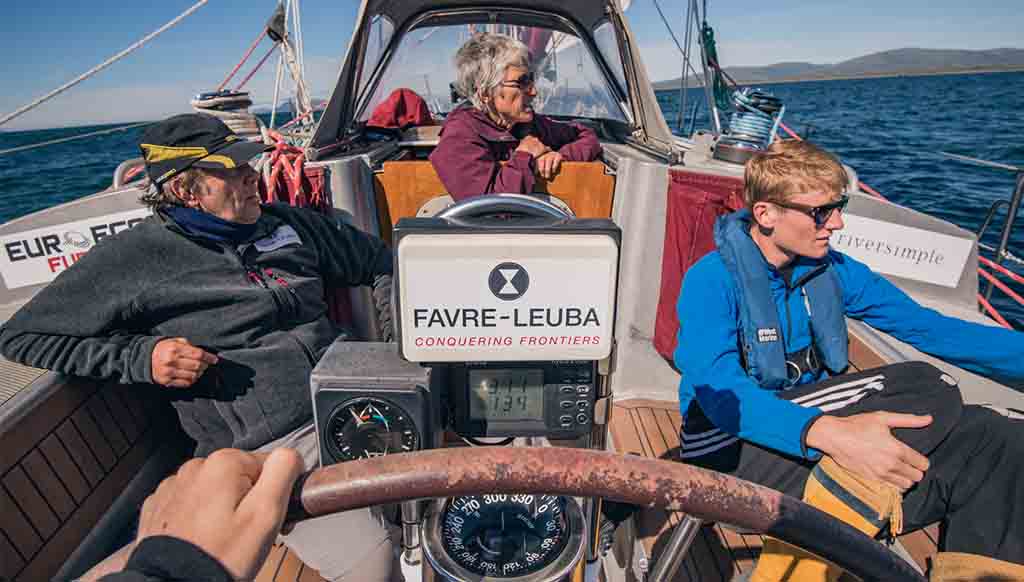
A pioneering voyage has set sail to the Central Arctic Ocean from Nome, Alaska (USA) on 15th of August. Two 50-foot yachts are sailing across almost half of the 3,000,000 sq. km area of international waters around the North Pole, which is ice-free and now navigable by surface vessels. The 10-member crew on these yachts could be among the first to reach the furthest north ever sailed. Favre-Leuba, Switzerland’s second-oldest watch brand with its iconic watches Raider Harpoon and the Raider Bivouac 9000, is celebrating its 280th anniversary in 2017 and is now the indispensable companion of this Arctic Misson co-led by renowned Artic explorer Pen Hadow and Arctic specialist yachtsman Erik deJong. There are two important tools that Hadow will be using  in this critical mission—a notebook to record his findings, and the Favre-Leuba Raider Harpoon – to help him record date and time of the events, and research sightings and information they come across. The unique method of time telling featured on the Harpoon allowed for easy and clear reading, the blue luminous indicators allowed good visibility even in the dark, and the helium valve and 500m water resistance allows the explorer to dive into the ice-cold waters should it be required. Favre Leuba, interestingly, was taken over by the Tata Group on November 16, 2011, after being managed by eight generations of the Favre family up to the 1980s. With Favre-Leuba, headquartered in Switzerland, the Indian industrial conglomerate is pursuing a sustainable long-term strategy based on the history of the brand and the values it embodies.

Mandarin Oriental, Hong Kong is offering spectators of the FIA Formula E Championship its Lap of Luxury room package with front row views. The hotel is positioned alongside the Central Harbour front where it will transform into an urban street circuit to host world-class motorsport entertainment on 2 and 3 December 2017. Hotel guests will have the city’s best viewpoints of the electrifying races with additional access to all the action on the ground. The hotel is situated in the heart of Central district and part of an extensive network of footbridges connecting the city. Guests can enjoy Hong Kong’s finest shopping, entertainment, dining, and historical areas before and after the race. Rates start from HKD 6,850 for one person and HKD 8,960 for two persons per room per night in a Statue Square View Room. Guests have the option to upgrade to a Harbour View Room for an additional HKD300 per person.

A 20th century Chinese Vase sold for $6.1 million at a Geneva auction recently, by an amateur buyer who shelled out the amount that’s 10,000 times more than its estimated price! The Vase in question was 23 ft. in height with blue dragons painted against a stark background in yellow and belonged to the 20th century. It however, bore reference to an unverified mark from the 18th century Qianlong era that apparently caused the confusion.

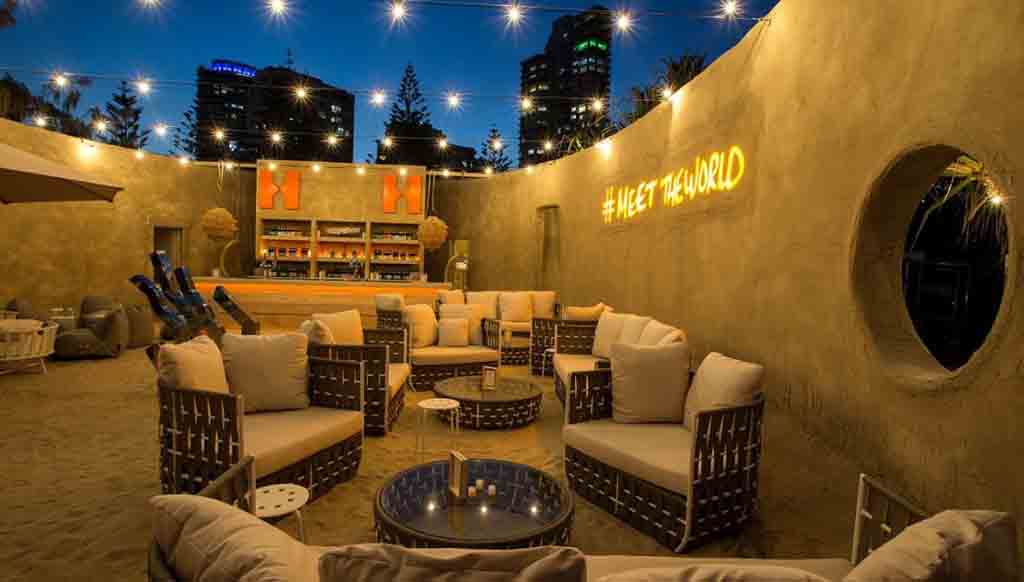
Gold Coast, Australia is now home to the world’s first sand hostel, which will be located on the Kurrawa Beach, in Broadbeach near Pacific Fair Shopping Centre. A collaboration between Gold Coast Tourism and Hostelworld, sand artist Dennis Massoud was roped in for the creation of this natural-theme hostel. Created from 24 tonnes of sand, the hostel will feature an 8-bed dorm and a private double room and offer guests activities such as volleyball, surf lessons, beach yoga and sculpting classes. But hold on a minute, this hostel is going to be a pop-up venture of sorts, to be constructed for three days only—and what’s more you’d have to actually win yourself a spot to stay, through Hostelworld’s Facebook page. You better hurry then!

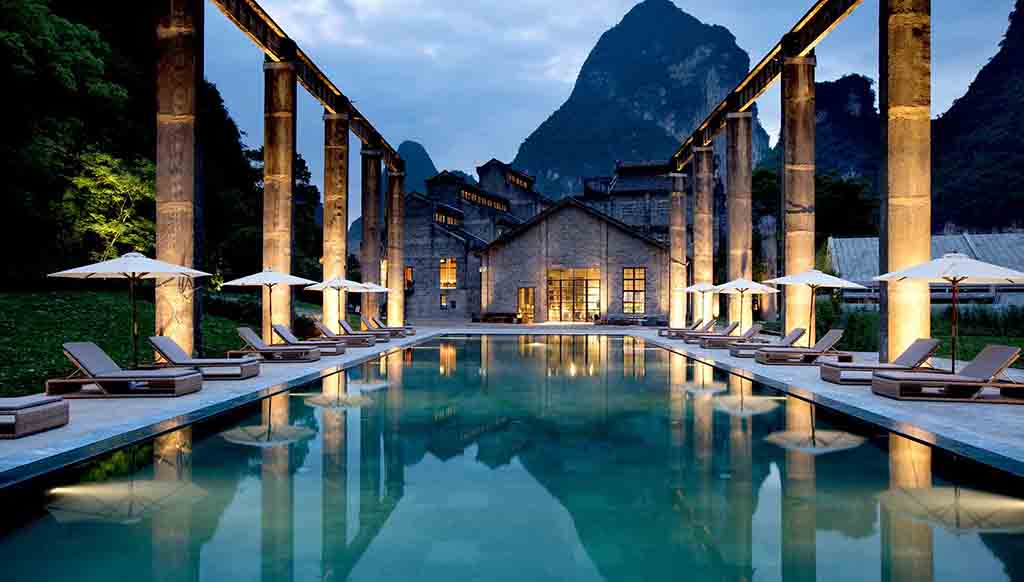
China’s Alila Yangshuo,  an adaptive re-imagination of an old sugar mill turned modern retro resort, first opened its gates after 7 years on 1st July 2017, but the torrential rains and floods and floods that followed brought water levels to the highest ever recorded in Yangshuo. Now, after another restoration, Alila Yangshuo is all set to re-open on 28 October 2017. The hotel which has been honoured with the Golden Pillow Award for being one of “China’s 10 Best New Hotels in 2017”, will be offering autumn festivities for guests as well.

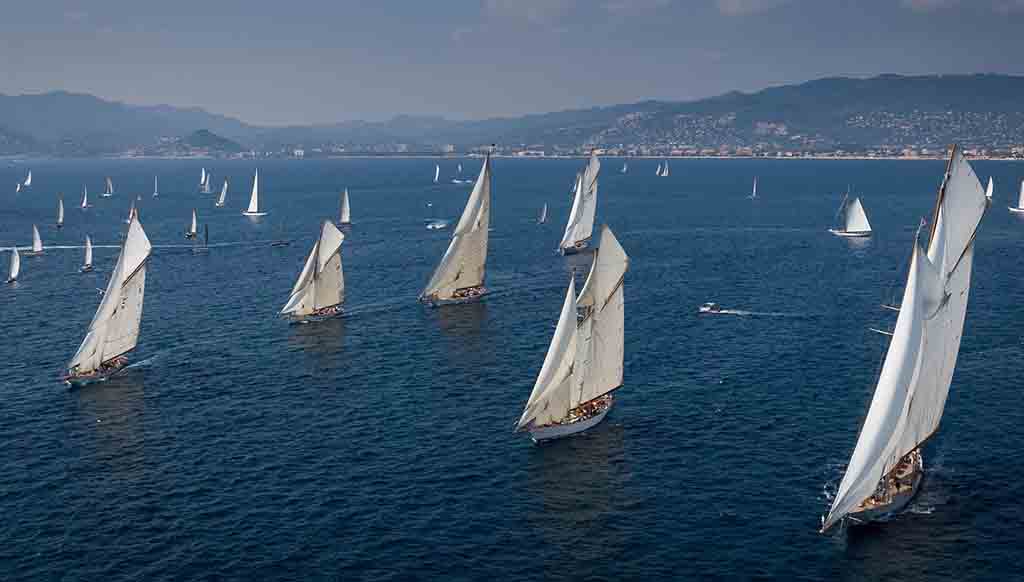
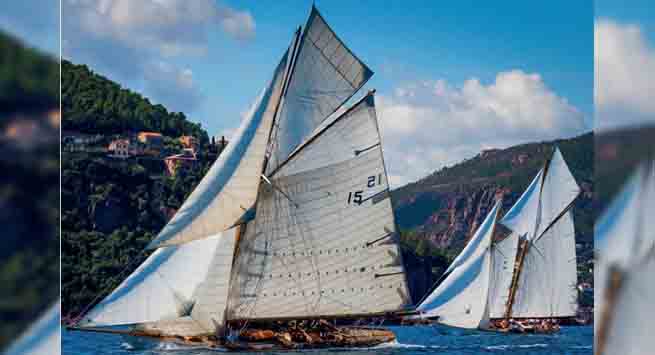
After rounds at Antibes (FR), Porto Santo Stefano (ITA) and Mahon (ESP), the Panerai Classic Yachts Challenge, leading international classic sailing circuit, reaches its official conclusion at Cannes between September 26 and 30.

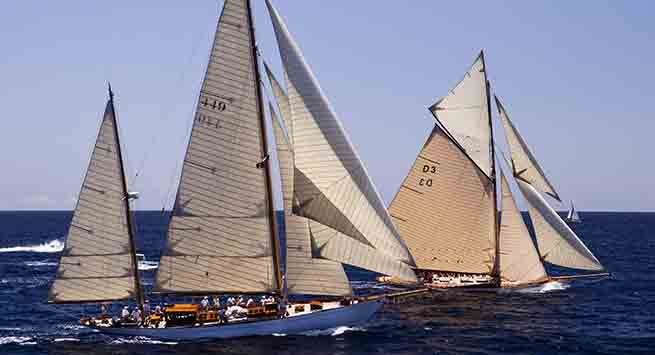
The 39th edition of Les Régates Royales de Cannes will culminate in the presentation of the end-of-season Panerai Trophies in the Vintage Yachts, Classic Yachts and Big Boats categories. The winners’ names will be added to the circuit’s Roll of Honour at the end of a very successful season: more than 250 historic craft, manned by around 2,000 crew, competed in the various stages of this year’s Challenge. In all, just under 90 yachts from more than 10 different nations will be converging on Cannes where they will be split into different categories according to their sailing rigs and year of construction. This is one of the world’s largest and most diverse historic boat fleets built between the end of the 19th century and the 20th century to designs by the great international yacht designers and yards, not least Fife in Scotland, Herreshoff and Sparkman & Stephens in the US, and Camper & Nicholsons in England.

Also attending will be a fleet of at least 40 Dragons. The world’s largest one-design keelboat class, the Dragon was designed in 1929 by Norwegian architect Johan Anker and this year celebrates its 30th year at the French regatta.

pic 1

The most spectacular category at Cannes will be the aptly-named Big Boats, genuine giantesses of the sea stretching in the case of Elena of London, a replica of a 1911 schooner, to a massive 55 metres. Also there will be the 40-metre Cambria (1928) and Moonbeam IV (1914), formerly owned by Prince Rainier and Princess Grace of Monaco, both names already inscribed on the Panerai Trophy roll of honour. Hallowe’en (1926) is one of the strongest contenders for the season title in her class along with Moonbeam of Fife (1903).They will be joined on the water by the equally-competitive Tuiga (1909), the flagship of the Yacht Club de Monaco and often helmed by Pierre Casiraghi.

The Vintage category will see a slew of prestige contenders for the title pulling out all the stops to the final mark, not least Linnet, a 1905 New York Yacht Club 30, Spartan (1913), Enterprise and two New York 40s, Rowdy and Chinook, both launched at the Herreshoff yard in New York in 1916 but with rigs. Also in this group is Tilly XV (1912), holder of an important personal record: she is the first and only yacht to have competed in Panerai’s Caribbean regattas at Antigua, on the North American circuit and at Les Regatés Royales de Cannes in a single season!

pic 2

Vying for the Classic title this year will be, amongst others, Ardi (1968), representing the Club Nautico Versilia in Viareggio, Encounter (1976) and the historically-important Il Moro di Venezia I, chasing her third win after 2013 and 2015. Lulu (1897) will be celebrating 120 years since her launch – she boasts a long and glorious career that includes competing in the Paris Olympics of 1900. The two-master Veronique is also marking 110 years since she splashed in England in far-off 1907. The “younger” wood-built yachts expected include Cholita, Ellad, France, Havsornen (Sweden), Manitou (US) aboard which J.F. Kennedy used to sail, and Skylark of 1937, all celebrating the passing of a mere eight decades since their launch.

This will also be the last regatta of the season for Eilean (Vintage category), the 1936 ketch restored by Officine Panerai. Since her relaunch, this wood-built two-master has represented Panerai at a long list of official occasions and classic boat regattas and rallies.

Throughout the regatta there will also be plenty of entertainment on the dockside for both competitors and the visiting public. Events will span everything from tug-of- war competitions to parties for boats celebrating milestone anniversaries, a concours d’elegance, live music and stands featuring the work of local artists and craftspeople.

Starting Tuesday, September 26, the classic and vintage yachts will compete in five races, one per day, in the stretch of sea overlooking the Gulf of Napoule and Ìles de Lérins. After each race, the Panerai Lounge will provide a welcome refuge for crews to relax and discuss the day’s results. The prize-giving ceremony takes place on the afternoon of Saturday, September 30, in the Vieux Port, where the boats will be moored throughout the event.

The Alila Bishangarh is among the newest heritage properties on the Indian hospitality landscape. It’s making tells a beautiful story of adaptability and sustainability.

Perched on top of a granite hillock in the midst of a vast expanse of the Aravalli Range, surrounded by hills dotted with havelis, villages and temples, Alila Fort Bishangarh is the result of the adaptive reuse of a 230-year-old warrior fort into one of India’s most unique heritage properties.

Adaptive reuse offers a sustainable option for the reclamation of heritage sites, an inspiring way to preserve and revive an existing building by merging its traditional ideals with modern culture, design techniques and ideas.

Built during Rajasthan’s royal era as an outpost guarding the kingdom of Jaipur (Amber) against invaders from the North, the fort at Bishangarh had long outlived its original purpose. Almost a decade ago, as the fort stood abandoned in a dilapidated condition, inhabited by thousands of bats and monkeys, the owners – a Rajput leader by birth and election and two successful entrepreneurs – together with Alila took the decision to transform it into a boutique resort, while maintaining its stark sanctity.
pic 1

Immense challenges had to be overcome – including stabilising and strengthening the ruins, constructing a road up to the fort, finding circulation through 3m thick walls, and deciphering the unconventional puzzle of the organic structure, which featured not a single 90-degree wall.

Upper and outer wings were adapted to the original fortification to carve out 59 suites following the curved and sloping walls of the existing turrets. Rooms and restaurants have been made to fit around the original walls – 2 to 3 m-wide in many places. With no typical floor plan, there were 23 different room configurations in all, the precise details of which took some 1,800 hours to draw up. Additionally, 23 unique venues have been created for meetings and celebratory events.

On the outer plasterwork done to the fort, the architects had to work on numerous experimental mixes of mortar using local stone dust to achieve the same ‘cracked’ appearance as the existing plaster on the old walls. Meanwhile, working out the position of vertical shafts had to be done using a traditional method of dropping ropes attached with torches, no easy feat given that the fort has four lifts, two staircases and a kitchen lift for goods.

Sustainability and Simplicity in Design


Extensive research and care were taken to develop a design vocabulary that fully embraced the original structure and its place in history. Taking the cue from what was found in the ruins, local traditional materials were used in a modern adaptation, to make it accessible (and applicable) for the younger generation, yet still connecting them to their roots.

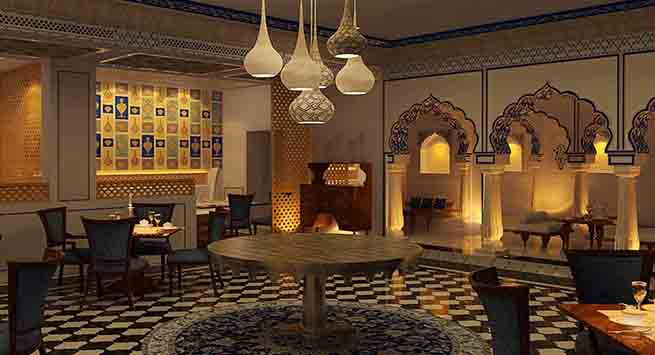
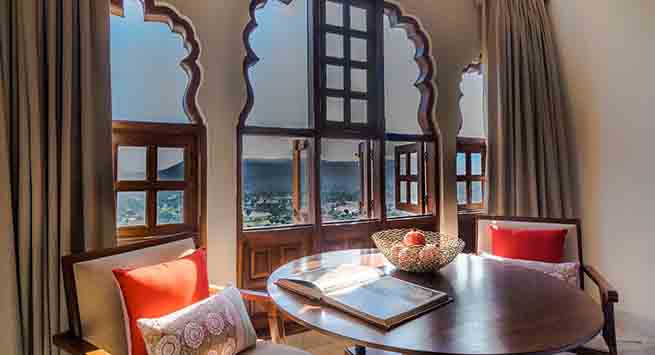
All windows, entrance portals, arches, columns, railings, jaali screens (latticed window patterns), turrets and walls had to be fully in sync with the original. Broken elements were recreated, finishes emulated, and old pieces reused. Of the 100,000 sq ft area of the fort, only 30,000 sq ft is covered in marble, while the rest is finished in local sandstone. According to historical records, this was once the residential abode for various kings, which explained the more stately decoration. Two of these royal quarters now house the main restaurant Amarsar, named after the birthplace of the royal Shekhawat clan.
pic 3

The design concept embraces elements of Jaipur Gharana architecture, featuring Rajput and Mughal influences. A perfect example of this can be seen in the ‘Amarsar’ restaurant, where Tudor and Cusped arches harmoniously coexist – aptly styled for a warrior fort. The walls have been finished not with paint but with modern adaptations of the traditional surkhi (stone dust) and araish, the dying Rajasthani plastering art that results in glistening surfaces.

The design direction is decidedly stark and spartan, marked by clean and uncluttered interiors judiciously woven with Rajasthani elements – Jharokha-style windows, stone Jaali work, brass embossed panels, Tarkashi (the craft of brass wire designs inlaid in wood), hand block printed fabric, old-style doors and wall frescoes with Thikri mirror work. Local marble, granite, carpets, fabrics, artefacts, lighting and furniture all contribute to authenticate its adaptive reconstruction.

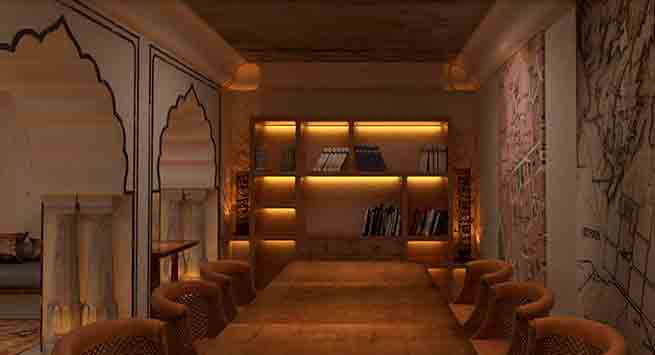
The fort now holds guest rooms that come with all the modern comforts including expansive bathrooms, footed/built-in bathtubs and large daybeds. The library, set amidst old marble pillars, bears testimony to the old kingdom with the size of its holdings mapped out on the wall, and Spa Alila, carved out between granite rocks in the old dungeon, provides atmospheric settings for relaxation.

Turrets, cellars and secret passages have been turned into bars, lounges and creative spaces for dining and meetings. Nazaara, an outdoor grill dining terrace dishes out Rajput and frontier cuisine which involves sand-pit cooking and smoked meats. Madhuveni is where you find the cigar/cognac turret. The room still retains openings in its thick stone wall for muskets and for pouring out hot, boiling oil on intruding armies below. These have been kept open to promote a natural system of air-conditioning. And finally, the Kachhawa Lounge, where the secret royal escape route was found, now serves the 4 Cs – champagne, coffee, chai and cakes.
pic 2

The food concept and menus are innovatively curated by the renowned Chef Ranveer Brar, to bring back the older ways of cooking on open fire and in hot sand where food gets slow cooked in its own juices.

A work of passion and endurance spanning almost a decade, Alila Fort Bishangarh is a fortress that remains completely at home in its setting, its grand majesty respectfully preserved in a unique marriage of history and modernity.

Jaguar Land Rover has plans to introduce a slew of new models under the ‘Road Rover’ range by 2020. With a design language similar to Velar, the Road Rover range would specifically feature several electric models in the rugged all-terrain category, as JLR plans to utilise the SUV and crossover segment. Among the very first models to be introduced will be an all-terrain, all-electric vehicle boasting plush interiors that give serious competition to the likes of Merc-Benz S Class. The performance and handling too are expected to be impressive on account of powerful electric motors, boasting a driving range of around 480km with the 0-100km/h sprint taking less than five seconds.